Are you interested in what this area has to offer? Do you have a passion for the outdoors, winter sports, and are considering a community like this to move to? Here is some of food for thought based on our stay in the area and some of the research I did before we arrived.
Kalispell is the largest town near Glacier National Park and has most of the big box stores you may be looking for. It is fairly wide open and spread out, but you do get some nice views of Glacier National Park from there on clear days. We enjoyed some of their bike/walk paths and did take advantage of some of their conveniences, such as the local REI, Cabela’s, and RV dealership/supply stores.
Whitefish is a cute little town north of Kalispell, with a riverside walk, some bike/walk paths that take you part of the way around Whitefish Lake, and several nearby hiking trails. The first day we visited they were hosting an evening farmer’s market near their rail yard, which was one of the busiest farmer’s markets I have witnessed. During the height of their tourism season, it can be challenging to find a place to eat for lunch or dinner, but we did enjoy a place north of the rail yard called Jalisco Cantina. They have friendly staff, a lively ambiance and a relaxing patio. The food and drinks were delicious and it’s a great place to go if you are in the area.
Columbia Falls also hosts a farmer’s market downtown, is closer to Glacier National Park and had some nice pluses as well. Across the street from the RV park where we stayed is a fish market called Flathead Fish & Seafood that also sells wagyu beef, sausages, locally raised eggs and some pantry items like vinegars and olive oils. They have both frozen and fresh fish options and the prices were amazing. We stocked up on freezer items and eggs before we leave the area. 😋 We also enjoyed dinner and beers at Backslope Brewing with our neighbor friends from the RV park. One interesting note on that: there seems to be a rule either in the county or state that breweries cannot be open past 8pm, but a bar and restaurant can be open later. So, if you are looking for a local brewery to check out, go early!
Our favorite grocery store was Super 1 Foods, which has stores in the Washington, Idaho and Montana areas. They are similar to a Fred Meyer for those of you on the west coast and a Cub Foods for my midwestern folks. Their produce section is decent, they have a large beer and wine section, a local/organic section, and much more. We found pretty much everything we needed here. There are more local produce and health food stores in the area, but this place was balanced enough to make our shopping a little easier.
Near West Glacier we enjoyed a pre-anniversary meal at the Belton Chalet Restaurant. The chalet has a long history in the area, with rooms available, excellent food and service. They are now owned by Pursuit, which we mentioned owns most of the businesses outside of the West Glacier entrance and operates in other areas like Alaska, Jasper/Banff, Iceland and a few others. The buildings are quite historic and beautiful, so check it out if you are in the area.
The Kalispell metro area (including Whitefish and Columbia Falls), is about 96,000 in population, gets high walk, bike and park scores, is leaning conservative on the political spectrum, the unemployment rate is fairly low and cost of living is just above average, with median home prices around $300,000. The winters are cold and their average days of sun is not much better than the Portland area (144 days) at 151 days of sun on average in a year. The average for the US is 205 days of sun. Summers can be lovely, but you will be faced with smoke from wildfires on a regular basis, so be prepared for that if you have any conditions that put you in a sensitive group for air quality. The state has no sales tax and moderate income tax at 6.9%. Overall, this area is growing and could be a great place to live if you love being outdoors and having access to rivers, lakes and mountains.
Unfortunately, I don’t have a lot of great photos of the towns nearby to do them justice, but here are a few pictures. Check out the captions for details.
For those of you who end up with a trailer, 5th wheel, or similar, here are reviews of the RV parks we stayed in during our time near Glacier National Park. I included a quick review of our time at Duck Lake Campground as well.
Compared to the Mt. Hood Village RV Park, this park is a lot smaller, but it still had its charm and turned out to have some unexpected, yet pleasant surprises. We learned a lesson before we even arrived…double check your site’s details closely. We did not when booking and discovered a little too late that ours was the only site in the park without any sewer hookups. Oops. I guess the map should have been a dead giveaway. 😂. It turned out okay…we learned how to conserve water as much as possible and were able to move the trailer to dump during our stay. It just took a little time and coordination to make it happen.
This park has a small but clean laundry room with three washers, three dryers, and three bathrooms, two of which have showers, which we used since we were trying not to fill our gray tanks too quickly. Our spot in the park had an extra benefit as well. We were next to the neighbor’s field and had two horses visit us almost daily. They were really friendly and it was fun to watch them and have their field for our view out the back window. The wifi was okay, but service would disappear suddenly, so it could be a bit frustrating if you were in the middle of trying to access something online when it would go down.
We learned another lesson while at the RV park from our neighbors: don’t leave your awning out when you leave, because a storm can roll through and a gust of wind can destroy it in moments. Our neighbors saw this happen to someone else in the park…that someone’s awning ended up in the middle of the park. 😳 Our neighbors have been on the road full time four years now and have plenty of experience to share, which we have appreciated hearing about. Another lesson they shared was to always call the places we have reservations with, just to make sure everything is as expected. I’ll share more on this later in the Duck Lake Campground review.
It turns out, we had a lot in common with our neighbors and really enjoyed spending time with them, so we ended up eating together, hiking, playing mini golf, and more! Scott, Tali and their kids Erik and Torsten are great people, and spending time with them ended up being one of the best parts of our time here at Glacier. 😍 We feel so fortunate to have met such sweet and generous people so early on in our travels. Coincidentally, they are planning to stay at the RV park we came from in Oregon, and we are going to stay at another RV park they stayed at in Wyoming, so we have been able to share tidbits about the area with each other as well. I really hope we cross paths and have the opportunity to spend time with them again during our travels. 💗
In order to have a home base closer to Glacier National Park (GNP), Matt found a spot in an RV park right outside the west entrance of GNP. This park is relatively new, well maintained, and their laundry facilities were pretty dreamy…10 washers and 10 dryers and also very clean. The park is about three times the size of the park we stayed at in Columbia Falls, and has cabins, shower and bathroom facilities dispersed around the park and roomy spots for everyone. They also have a more robust and reliable wifi signal, which has been great, though it does disappear as soon as you leave the premises.
There is also a biking/walking path that takes you to the stores, mini golf, restaurant/bar, and rafting activities just outside the west entrance, so that was really convenient. All are run by the same company called Pursuit, so it seemed pretty seamless. Finally, the 2021 Perseid meteor shower was taking place while we were staying here. Given the oscillation between smoke and rain, we were pretty stoked to have a clear night to lie on the picnic bench next to us, stare up at the sky and enjoy the mesmerizing blanket of stars. ✨
When we coordinated with our neighbor Tali to hike up to Grinnell Glacier in Many Glacier on the east side of Glacier National Park, we knew we would need to get up early bird if we were going to find a parking spot and get on the trail before the stifling heat set in. To make this a little easier, we decided to drive over to the eastern side of the park the night before and stay at a nearby campground. I found this place on Google, the reviews were positive and they had availability! It’s situated on Duck Lake on a reservation, with 6 cabins and several back-in and pull through sites next to the lake for people to spread out. Most of the sites were quite private with lots of space in between and the lake was so beautiful!
The one hitch in organizing this overnight was that Tali discovered our reservations through Reserve America needed to be called in to the campground so our spots would not be given to someone else. This seemed a bit odd and I would have never known if Tali had not called to check on our reservations and get a few other questions answered. That experience made me more aware of the fact that calling ahead is a must from hereon out! However, the lady we spoke with lives on site and was very nice, so it all worked out well. There is a twin bed, a bunk bed and a larger full bed in the loft area at the front of cabin loft, but you need to bring your own bedding as they only provide air mattresses. They also provided a tv, mini fridge, coffeemaker and microwave for your convenience.
After settling in and having dinner, we walked through the campground and headed back on the shoreline of the lake, watching the sunset and discovering bugs, frogs, creations made from the rocks, and random items left behind, which made the return trip a lot of fun. We headed to bed early, trying to get up and out around 5:15am. However, one event Tali encountered while there was an unexpected noise in her cabin around 3:30am. Even though the cabins are an open loft construction (no attic space), she heard a noise right above her that sounded like someone rolling around or moving furniture. The cabins are free standing with no trees nearby, so this was strange and we still cannot explain it. Everything turned out just fine, but it was a little eery and Tali didn’t get much sleep after that. 😱
Overall, if you are looking for a peaceful place to stay with gorgeous lake front sites, I recommend this campground. It is a hidden gem.
Aside from the frenzied nature of trying to visit Glacier National Park, we have been enjoying our stay in the Columbia Falls/Whitefish area nearby. Here is what we have done so far:
Biking into West Glacier National Park entrance:
When we discovered we could bike into the park without a ticket, we decided to do so in order to get to the visitor center and back country permitting offices to ask questions and generally take a look around. We parked outside the entrance and biked up the road until we connected with one of the few bike paths located at the west entrance. We only saw a handful of people on the path, so it was like having the place to ourselves. 😃 After checking out the main areas, we decided to bike over to the Fish Creek Campground area and check out Lake McDonald with a slightly smaller crowd of people milling about.
Where the creek enters the lake we saw a multitude of butterflies flittering away and lingering on the ground. We don’t know for sure, but assumed that they must be in the middle of mating for so many to be occupying the same space at the same time. Either way, it was nice to find a quiet spot to enjoy the sound of the creek flowing into the lake, watching the butterflies and enjoying the sunshine.
When we were about to head back to the west entrance, Matt was approached by a couple asking questions about his bike, and we enjoyed a lovely conversation with them about their inflatable boats, their experience thus far in Glacier National Park (GNP) and living in Oregon, since they also live there. After biking back, we grabbed a quick drink and bite to eat to cool off at the nearby cafe called Eddies’ Cafes and Gifts and then headed back to our vehicle. Given how the day started, it ended on a positive note.
Funny side story: When we left the parking lot to go into the West Glacier park entrance, I couldn’t shift my bike…I purchased a bike during the height of the pandemic and the new bike has electronic shifting, which is new for me. I knew it would eventually need recharging and had never had to do so, and thought that I must have wore the battery down during transit. I was stuck in one gear, which thankfully was “doable” for all of the places we went.
We returned to our trailer and I tried to recharge the batteries, but they wouldn’t charge. I was so frustrated, thinking something was very wrong with the bike and not looking forward to having to take it into a shop. I tried downloading software to diagnose the issue and my husband tried helping me figure it out with a bunch of YouTube troubleshooting videos, and it turned out that the shifting cable was unplugged near the shifter! I recall looking at it on the ride back to our vehicle, thinking “That’s strange…is that a new type of barrel cable adjuster? And why would a bike with electronic shifting have a barrel adjuster?” Little did I know that it was the end of the cable and needed to be plugged in, and I could have had my gears the whole time! How embarrassing! I’m glad we figured it out and I didn’t take it into a bike shop…that would have been even more mortifying! 😳
Scenic Point trail in Two Medicine, GNP:
Once we determined that getting on a hiking trail in GNP would be restricted to entrances that weren’t on the Going to the Sun Road (GTSR), we decided to check out Two Medicine in the southeastern part of the park. The hike we chose had reviews on AllTrails and many hikers mentioned they enjoyed views of rams and other wildlife on the trail, so that sounded appealing to us. It took about two hours to drive to the trailhead, but thankfully we had no problems getting a parking spot. Yay! The AllTrails trail guide is a bit misleading though…the hike is more like 8 miles, but a little less in elevation gain.
Though we didn’t see any rams (we think it was just too hot out), we did enjoy some beautiful views of the nearby mountains with a few glaciers atop them, as well as the beautiful lakes and other bodies of water below. I continued to enjoy using my Seek app to identify the flora and fauna around me, we had a few great conversations with some couples at the top, and managed to escape without getting sunburnt. 🥵
One couple shared that they split their time between Florida and Whitefish, MT, and that they have never seen crowds in GNP like we are seeing now until 2020. However, they did share that even though it is a bit competitive to get a parking spot, there are a plethora of amazing hikes up in Many Glacier that they would recommend. As such, we are attempting to check out Many Glacier later this week. May the parking Gods be with us! *sigh*
Biking from Somers, MT to Kalispell, MT:
I noticed quite a few bike paths when we were initially rolling into town, and wanted to check them out, given that I am not familiar with the area and how road bike-friendly motorists are. We drove down to Somers, MT and parked in one of the three spots available at the trailhead, and enjoyed the beginning of the path. 🚴🏻 It turns out the path is part of the Rails to Trails of Northwest Montana, and one of the old locomotives was restored and housed next door. The trail started out in a quiet, scenic setting, there were pretty views of the state parkland to the west of us across the highway, and a short diversion to the other side of the highway farther away from the sounds of traffic, but a majority of it was parallel to the highway US93E, so these sections were really loud and not as fun.
The trail extends to the west on highway 2 and goes as far as the west end of the Smith Lake Waterfowl Production Area, but it too parallels the highway most of the length of the path. Furthermore, there is currently a lot of road construction where highway 93 meets highway 2, making it a bit challenging for cyclists to ride the whole trail length uninterrupted. So, we turned around where the road construction was taking place and headed back.
At the trailhead in Somers, MT there is a place called Del’s Bar & Grill. We walked across the street and grabbed some lunch and a beer there before heading back into town. You order at the bar and grab a table of your choosing, so it was a pretty casual place and just what we needed. Overall, it was fairly relaxing and a nice way to explore the area.
Florence Falls, GNP:
A few miles past the ever popular Logan’s Pass along the Going to the Sun Road (GTSR), we managed to snag a parking spot for three different trailheads, two if which are quite long. As mentioned in the Glacier National Park post, our current neighbor invited us to hike with her and her 9-year old son in the park, and we were happy to jump at the chance. After a two hour drive along narrow, windy roads with beautiful views and heart-thumping drop offs, we arrived at the trailhead for the Florence Falls hike.
The trail dips down in elevation at first, is fairly thick with vegetation, and gives you spectacular views of the rivers and glaciers nearby. At the end, the trail is barely visible, but the Florence Falls are beautiful and well worth the trip. They rush down the mountain and eventually cascade over a broad section of rocks, which is quite stunning. Because this hike wasn’t one of the most sought after, we frequently had the trail to ourselves, which was a nice treat for such a popular park. 🌲
Florence Falls, Glacier National Park
Matt and I were amazed at the energy of our friend’s son, who completed the nearly 10-mile hike with 1500 feet of elevation gain and STILL was bouncing with energy afterward. Trail guides underestimate the length and elevation gain of this trail, but it is still fairly easy-going and gradual in gains until the last mile or so.
South Boundary Trail, GNP:
As a way to get out and about within walking distance of the West Glacier RV Park, we hiked part of the South Boundary Trail along the Middle Fork Flathead River, which in its entirety is about 11.5 miles. After crossing over the river, we started to veer away from it and hit a little bit of elevation gain. Eventually, we dropped back down closer to the river and at a stream crossing found an outcropping of rocks to enjoy more expansive views. While hanging out and enjoying the views, we had the opportunity to see a few groups of rafters drift by, much to the delight of all of us. 😛. If you’re looking for a quieter trail without too much elevation gain and river views, this is a great option for you.
Grinnell Glacier Trail in Many Glacier, GNP:
After hearing about how spectacular the hikes were in Many Glacier and talking with our neighbor in the RV park, we hatched a plan for her, Matt and I to drive up to the eastern side of GNP, stay overnight, and get up before dawn to snag a parking spot at the Grinnell Glacier trailhead. Our neighbor and her family met us outside the west entrance, we played a round of mini golf, and hit the road for Duck Lake Campground, where we stayed in cabins and headed for Many Glacier the next morning at 5:15am. We managed to get a spot in the parking lot, and boy are we glad we arrived when we did!
Grinnell Glacier Trail, Glacier National Park
The hike itself was not too steep or technical…we walked through a section where a waterfall gets the rocks wet, and there are some steep drop offs, but nothing that was nerve racking even for me, and I have been known to become paralyzed with fear on hikes before. Because we headed out at first light, we had the trail to ourselves and later discovered we were the second group to arrive at the top. We spent nearly an hour milling around and enjoying the beautiful glacial views, and wildlife. 🏔 We saw a moose, chipmunks, big horn sheep, marmots, and a variety of ground squirrels. 🐏 🐿
Heading down was a bit more challenging mainly because there were so many people coming up the trail. We passed somewhere between 200-300 people on the way down, no joke. 😲 Add to that the fact that most of the trail is exposed and it was a very hot day, and we were pretty wiped out by the time we finished. However, between the views, the wildlife, and the opportunity to explore these glaciers before they disappear, and it was hands down one of the most amazing hikes we have ever done. I highly recommend it if you visit GNP.
Golden-mantled Ground Squirrel
Columbian Ground Squirrel
Fish Lake Trail, GNP:
As our time in the park was winding down, we were trying to find one more hike to do with our neighbor and her two boys from the RV park with whom we had become friends. The air quality took a turn for the worse, and the next two days were forecasted to be rainy and much colder, so we opted for a moderate, less exposed hike to Fish Lake, near Lake McDonald. We drove over to the Lake McDonald Lodge around 9am so we could find a parking spot.
This hike starts out with a pretty steep climb, but eventually levels out and takes you across a few creeks and through shaded sections before arriving at the lake. Fish Lake has a few access points where you can get to the water, but has a lot of lily pads and reeds, so isn’t really a lake to wade in…just a place to enjoy the view and check out the wildlife. There were a few ducks in the water, lots of spiders and some gigantic dragonflies milling about looking for mates. 🦆 We had a snack and headed back, enjoying what seemed to be a big migration of the Virginia Tiger Moth across the path. 🐛 We must have seen at least 50 caterpillars crossing the path or on the side of it and tried to take care not to step on them as we plodded our way down the steep sections of trail. Overall, this trail is nice for a quiet reprieve, but there aren’t any jaw-dropping views, so if you are just looking for a little peace and quiet in the woods, this might be a nice hike for you.
Fish Lake
Photos by Mel Walker
Virginia Tiger Moths on the move
We have been thankful for the time we have spent here in Montana and hope it has inspired you to check out some of these treasures if you are in the area.
Admittedly, we didn’t put a ton of planning into our visit to Glacier with everything else going on, but it turns out Glacier has become quite the zoo over the past few years. Because there was such a dramatic surge in visitors in 2020, Glacier National Park (GNP) decided to create a ticketing system for entry onto the Going to the Sun Road (GTSR) between the West Glacier entrance and St. Mary’s entrance on the east side of the park. The surge in popularity and the new ticketing system has created some interesting results.
First off, we did get a ticket, but didn’t realize that it wasn’t just to drive on the road, but that you cannot even enter the park at these two entrances without it. So, you think, “OK, no problem, I will reserve a place to stay and get tickets well in advance.” Not so fast. They release tickets only one or two months in advance, depending on seasonality. Thus, you need to know exactly when you will be there and get tickets exactly one or two months prior to those dates if you want to enter the park at those entrances. Granted, they also have a limited number (approximately 400) released within 48 hours of the ticketing date available for purchase, but you have to get online at 8am sharp, and the demand is so high that they sell out in a matter of 1-2 minutes as if you’re trying to get tickets to the concert of a lifetime. However, the good news is the tickets are good for 7 days from the date on the ticket, so you have a week to enjoy the park at these two entrances.
When we first attempted to enter the park, they turned us right around, so we decided to check on our upcoming reservation at the West Glacier RV Park just outside the park and ask a few questions. They shared with us that the goal was to limit vehicle traffic in the park during the day, but that you have a few other options:
You can park outside of the West Glacier or St. Mary’s entrances and walk or bike into GNP.
You can enter the park before 6am without a ticket.
You can enter the park after 5pm without a ticket.
You can enter the park at any other entrance that does not take you on the Going to the Sun Road, as long as they aren’t closed due to fire. Thus, you can visit North Fork, Walton, Two Medicine, Many Glacier, Belly River and Goat Haunt sections of GNP without a ticket.
You will automatically get passes into the park if you reserve one of their campsites, including backpacking campsites for the dates you have reserved.
You can reserve a shuttle (such as the red jammer in my pictures), but they also can only be reserved 48 hours in advance and spots fill up fast
West Entrance
West Entrance
Red jammer shuttle in GNP
While we have been here, they closed North Fork due to fire and part of Goat Haunt due to the Canadian border crossing restrictions. And, there has been a rush hour of sorts from 5-6am and 5-6pm resulting from the way they set up the ticketing hours.
Well, you are super organized and get that ticket, so you think, “No problem. I’m all set.” Nope. Many people have shared experiences where even if they get into GNP early, open parking spots along the Going to the Sun Road (GTSR) are still few and far between. I read one account on Reddit of a family that drove the entire length of the road from one end to the other, found no parking along the way or at either end of the park, spent 8 hours in the car and then finally gave up. Our current neighbor drove at least 2 hours before finding a trailhead to park at so she could do a hike. Sadly, unless you get up early bird, you may have limited options.
Part of this is caused by people entering the park before 6am and filling up parking spots to do the most popular hikes, thereby clogging the parking lots all day. Second, backpackers are also given passes into the park for the dates they are backpacking, so they will be parked at the trailheads for multiple days. Logan Pass and Many Glacier are two of the most popular places to hike, so their lots fill up between 6-7am.
Speaking of backpacking, about half of the camp sites are reserved in advance. Due to high demand, if you want to snag wilderness camping permits after you have already arrived at GNP, you need to line up around 5-6am at one of the permitting offices and wait until 8am when they open to try and get permits. So, bring a good book and maybe a camp chair and get comfortable. The permitting process takes between 1-3 hours, so be prepared to have a first, second, and third choice for your backpacking trip. However, the person I spoke with at the office did say everyone who lined up got back country permits. But even if you get the passes, if your hike starts at a popular trailhead, you will need to get up early bird again if you are going to find parking nearby. 😵
This all sounds a bit nutty, right? Well, it hasn’t been all bad, but certainly not what we expected. We did bike into the park, and nearly had the bike paths to ourselves, which was quite pleasant, though the paths are only to the West Glacier visitor center and a few other places on the west side of Lake MacDonald. NOTE: Although you can technically bike the GTSR, do NOT attempt this from 11-4pm, due to high vehicle traffic. There are sections of the GTSR that are closed to cyclists during those times. I am an avid cyclist, but I would not want to bike a super steep, windy road with a bunch of tourists either looking at the sites or looking for parking and not looking at the road and put my life in their hands.
Two Medicine
Florence Falls
Grinnell Lake
Grinnell Glacier
West Glacier RV Park
Fish Lake Trail
Photos by Mel and Matt Walker
We got the information we needed at the visitor center and back country permitting offices, and then biked over to the Fish Creek camp site along Lake McDonald. The next day, we drove to Two Medicine, about a two hour drive from Columbia Falls, and had no problem getting a parking spot to hike the Scenic Point trail. However, this part of the park is quite exposed, so bring your sunscreen! At the top of the hike, we met another couple that lives part time in Florida and part time in Whitefish, and they gave us a bunch of hiking recommendations, most of which were in Many Glacier.
Because we were made aware of the competitive nature of finding a parking spot at Many Glacier, we booked a campsite on the east end outside of GNP and got up early to do a hike there, arriving at the trailhead parking lot at 5:45am and saw several cars there already. Finally, our current RV park neighbor has passes into the park, and was so kind to invite us hiking with her on multiple occasions.
I will share more details on our hiking experiences soon. Stay tuned and good luck with your GNP planning if you are so inclined to visit. 😊
Baking and cooking projects, of course! 😊 I love to be in the kitchen, and being on the road has not changed that desire. I brought a limited but reasonable arsenal with me to continue my love for cooking and baking on the road, and Matt even bought me some mini baking sheet pans, racks and silpats that fit in our tiny oven. ❤️
Because we picked all of those delicious blueberries at Riley Creek Blueberry Farm, I needed to find some ways to use them up. The easy lift was making blueberry pancakes, but of course I had more ambitious plans and decided to make a blueberry lemon bread. I bought a container of yeast that I keep in the freezer and have a nicely stocked pantry full of spices and other baking and cooking necessities. I decided to use bins to help keep things more organized and prevent things from going everywhere when we are moving the trailer, and so far that has worked pretty darn well!
Though time consuming, the blueberry bread project came together fairly well. The recipe called for creme fraiche, but I couldn’t find any in the markets nearby, so I substituted sour cream instead. I like things a little more tangy anyway, so didn’t mind this swap. However, the filling was a bit too runny for this project, so I increased the volume of sour cream and stuck the filling in the freezer to thicken it up slightly before spreading it out on the dough.
The biggest challenge with baking is dealing with the gas oven, because it is SOOO temperamental. The temperature will shoot up initially, and when you try to back off the heat, then it drops way down, so it takes a good 30 minutes just to get it in the right range. The second biggest challenge aside from the obvious (space), is keeping up with the dishes. Five rounds of dishes later and the kitchen is ready for my next project: three bean chili.
Given the day has been filled with intermittent storms and it has cooled off significantly, we decided to enjoy a nice bowl of chili tonight. Matt was insistent that we bring the instant pot on the road, and surprisingly we managed to find room to store it in our cupboards, and have been using it more than I initially anticipated for cooking rice, beans, and the like…those items that take longer and are easier to cook in the instant pot than on the stove.
I doctored up a recipe and presoaked a trio of beans overnight. The recipe called for ground beef, which I swapped with ground chicken, and it didn’t call for any beans. ⁉️ I prefer my chili with beans, so am excited to see how my combination of scarlet runners, vaquero, and pinto beans taste. I have quite an array of toppings…I like all of the green stuff: avocado, cilantro, green onions, and a squeeze of lime. Add a little bit of shredded Colby and sharp cheddar cheese and I’m a happy woman. 😋 Matt likes to add in sour cream and Fritos as well.
When storing leftover ingredients, our avocado saver works pretty well, little storage containers are my friend for things like limes and lemons, and a tall, lidded container works great for storing herbs. I love pulling a bundle of cilantro or parsley apart and picking out all of the shorter stalks that you don’t want in the water at the bottom of your storage container and using those for garnish. I hate wasting anything, and this maximizes the life of my herbs.
What else did we do with our day in the trailer? Laundry, meal planning, grocery shopping, fixing electrical shorts in the wall…you know, your normal chores. Doing laundry in shared facilities is not something I have had to do for a while. Every place is in a different state of cleanliness, and the number of machines available ranges widely at each location. But, the costs are typically about $2 per washer and $2 per dryer load. Aside from snagging a machine when you want one, the biggest drawback (in my opinion) is the fact that even if you use fragrance-free laundry detergent, the machines soak up scent from everyone else’s laundry detergent, so your clothes will pick it up scent whether you like it or not!
Regardless, life seems fairly balanced right now between having some days to go explore and other days when maintenance, organizing, cleaning, and other adulting tasks need to be done. We have learned that your stress doesn’t go away with this sort of change in lifestyle…it just shifts the focus of your stress. Are there concerns about the truck or the trailer? What needs to be done to prepare for the next travel day (always stressful) or destination? Did we reserve well enough in advance or will we be scrambling to find availability? Are there any issues with our house back in Oregon? Hopefully, as we get better at this, these concerns become more routine and manageable. Only time will tell.
From Welches to Glacier in two days. Thanks to Grand Central’s Accounting Manager Greta, I was gifted an annual membership to Harvest Hosts, a service that allows us to camp overnight for free at local farms, wineries, and breweries. We finally had a chance to see what this experience was like on our way to Glacier, stopping at Badger Mountain Winery in Kennewick, WA and Riley Creek Blueberry Farm in Laclede, ID.
Kennewick was over 100 degrees Fahrenheit, smoky, and windy when we arrived, so it felt kind of like being in a blow dryer pushing air through a smoker. We arrived hot, tired and cranky from dealing with mechanical issues, but the hosts at the winery were very gracious, offering a free wine tasting and a nice spot on the top of the hill to park our rig. The vineyard could be seen off in the distance, but not much else with the smoky skies.
Looking a little bleary eyed
grapes at our doorstep
Badger Mountain Winery
This winery is known for being a pioneer in organic winemaking and the tasting did not disappoint, so we picked up a few bottles before heading out to dinner. One of the staff also worked at a restaurant nearby called Proof, so we went there and enjoyed a nice meal before being welcomed back to our humble abode atop the hill by a surprise rainstorm and continued blustery evening.
Our mechanical issues were resolved before we headed out on the road the next day and we were off to Idaho! We had less issues the second day and arrived early enough at the farm to take a leisurely stroll through rows of blueberries, picking and tasting along the way. In addition to taking away some fresh blueberries, we also bought some of their homemade preserves and fresh eggs from their chickens, and later enjoyed watching their flock of doves swoop around the barn while drinking wine and playing cribbage.
Riley Creek Blueberry Farm
Blueberry syrup, preserves, eggs and more!
Doves swooping through the air
The smoke was really starting to settle in during the middle of the night, so we had a fairly murky drive most of the way to Columbia Falls, which is just outside of West Glacier. We were greeted with a massive downpour while trying to set up the trailer and more mechanical issues that will need to be sorted out before we head to West Glacier next week. So, we just had to wait out the storm and chill out instead of trying to finish setting up camp.
Overall, the Harvest Hosts experience has been positive so far, and we are excited to take advantage of this membership as we travel between lengthier stays. Check it out if you get a chance.
Before we hit the road in earnest, we needed a jumping off point for phasing out of full time work, moving out of our house, working through the house rental process, and handling a variety of other activities that tied us to Portland for the month of July. We had a difficult time finding a place to stay for the entire month, but my partner found us a great site along Highway 26 just west of Mt. Hood at the Mt. Hood Village RV Resort, which is part of of the Encore RV Resorts/Thousand Trails membership, though you don’t need a membership to stay there. This is a great place to stay, and we lucked out with a shaded spot, close to the center of the park with trails leading to the Wildwood Recreation Site, which backs up against the Salmon Huckleberry Wilderness.
Entrance sign for Mt. Hood Village RV Resort
Having a place just an hour from Portland meant some long days in the car, but also delicious eats at local restaurants, access to loads of local hiking, and slightly cooler temperatures during what continued to be a hotter summer for the area. Here are the highlights of our time in Welches:
Our first live music performance in well over a year! 😀
The Wildwood Recreation Site
Day hikes in the Mt. Hood and Salmon Huckleberry Wilderness areas
Saying goodbye to our jobs…for now
Spending time with friends before we left
Local Restaurants:
Like I mentioned in my last post, we try to balance my love of cooking with my husband’s desires to eat out, and these are the places we enjoyed while in the area.
If you have a hankering for a beer and a burger, this place delivers. The staff was very friendly and welcoming, our burgers were delicious, served on locally made buns from Grand Central Bakery, and a nice selection of local brewers and nationwide brands alike. On Sundays, they also host a farmer’s market.
With a nice back patio area and delicious pizza and drinks, what’s not to love about this local gem? There are umbrellas for hot, sunny days, refreshing drinks such as mojitos and limoncello, and mouth-watering pizzas with excellent, seasonal combinations. I highly recommend this place if you are in the Rhododendron area, especially after enjoying any variety of outdoor activities around Mt. Hood.
This pub offers both indoor and outdoor seating options, has friendly staff that serves up fresh greyhounds, a nice variety of local brews, and an excellent burger. They are conveniently located next to multiple local amenities, including a post office, gas station, and grocery store. This would be a great stop after a hike along the Salmon River.
In Zigzag is a great BBQ place that has a beautiful patio area and LIVE entertainment! We saw our first live performance in over a year there on a lovely Friday evening in July. However, this place is usually very busy, so don’t arrive when you are already famished as you will likely be waiting for 45 minutes to an hour for a table. But, your patience will be rewarded with a relaxing outdoor atmosphere, good drinks and excellent food. We saw a band local to the Pacific Northwest that calls themselves Free Creatures and bill themselves as a folk rap group. Here is a small sample from the performance we saw. I would definitely see them again, so please check them out.
Sample of live performance by Free Creatures at the Skyway Bar & Grill
We were so spoiled having trails leading directly from the RV park to the Wildwood Recreation Site. There was so much to explore that we never got bored running around either the RV park or the trails. There are numerous paved trails and picnic sites near the Salmon River and an underwater viewing chamber wherein you can see a glass walled section of a stream and the ecosystem within, including crayfish, salmon, bottom feeders, mollusks, etc. Across the Salmon River bridge, there is a boardwalk that takes you through the wetlands. It’s a great place for bird watching and seeing more water creatures, such as newts, snails, slugs, and hatching frogs. Toward the farthest end of the boardwalk is trailhead access to the Boulder Ridge Trail (more on that later) which takes you up into the Salmon Huckleberry Wilderness. There is a group area with a large covered space for gatherings, plus an adjacent field with badminton nets, basketball hoops, a baseball diamond, kickball area, and more. Finally, off of this group site area is another small trail loop that takes you to an old mill site. Overall, there is a lot to explore and it’s a great place for people of all ages. There is a small fee to get in, but the area is well groomed and I believe it is well worth the cost to park there.
Wildwood Recreation Site photos by Mel Walker
Day Hiking:
There are a plethora of day hikes and backpacking options for all ages and strengths in both the Mt. Hood and Salmon Huckleberry Wilderness areas. People enjoy time in the nature for different reasons, so here are our experiences.
My husband and I had the opportunity to backpack the Timberline Trail around Mt. Hood last year, and feel rather fortunate we completed it when we did, as there was a large wash out soon after that along one section of the trail, making the original trail impassable for a 2 mile stretch and now it requires re-routing to complete the entire loop. Additionally, Mt. Hood has really suffered from the drought conditions most of the western states have been experiencing over the past several years. Conditions on Mt. Hood on one side of Highway 26 compared to the Salmon Huckleberry Wilderness on the other side of the highway are surprisingly different. Mt. Hood is typically much more crowded and currently feels like a tinder box with nearly every step being very dry and dusty and a lot of trees in the area that look like they will not survive or are already dead. This is the trail we hiked recently, but there are many to choose from around Mt. Hood. It is an incredible area to check out, and under milder weather conditions I highly recommend visiting, but it will also likely take a long time for the area to recover from the current drought conditions.
Palmateer Point and Twin Lakes Trails, Mt. Hood Wilderness, photos by Mel and Matt Walker
In contrast, the Salmon Huckleberry Wilderness is infrequently visited, and there are so many back country trails you can enjoy for overnight dispersed camping or some challenging day hikes with breathtaking views at the top. I enjoyed the flora and fauna spotted along the way, the quietude, and trail conditions. However, for a more casual hike, you can walk the Old Salmon River Trail or part of the Salmon River Trail. We also hiked the Salmon Butte Trail and I explored the Boulder Ridge Trail more than once, given it is rarely frequented by other hikers. Note that the site says the trail isn’t accessible due to a bridge being out, but the creek was easily passable this time of year. It may vary in the spring with greater water flow, so be sure to scout it out before planning any hikes from this location. However, you will be rewarded with several nice views of Mt. Hood along the way. Given how popular hiking is in Oregon, it is rare to enjoy having a trail all to yourself, but odds are with you if you want some quiet time in the woods checking out the trails in this area.
Hiking the Salmon Huckleberry Wilderness, photos by Mel Walker
Along with all of the great hiking near us, my partner turned me on to a new app called Seek that integrates with the iNaturalist community. It can help you identify plants, fungi, insects, arachnids, amphibians, mollusks, fish, birds, reptiles and mammals. It can be addicting if you are curious about the flora and fauna in the area and there are even several challenges you can accept to find specific types of species and engage more or provide learning activities for children. I’ve learned more from this app than any book on plants I have tried acquired, so recommend it if you are a nature nerd like myself.
Working in the Trailer:
Though necessary to finish our full-time jobs before heading out on the road, working from the trailer was not my favorite. Ours is not an ideal setup for a home office, at least not with two of us needing private space for video conferencing for hours on end and no separate space to actually accomplish this, which meant a lot of outside time by one of us during meetings so the other could concentrate and tip toeing around to get food, warm clothes, a power supply, etc. as needed. The internet accessibility was decent where we were, but as we have been experiencing so far, it is often spotty at best if you are traveling to more remote places.
I tried to put away my work station every night so it wasn’t taking up up a lot of space, but it would not be realistic for each of us to have a work station setup on the road, if I’m being honest. Space is at a premium and clutter becomes your enemy. If you can manage it financially, take the time off to step away from work and enjoy your travels free from the obligation of being cooped up inside in a less than ideal, not to mention completely non-ergonomic, workspace.
Me working in the dinette, photo by Matt Walker
However, it was sad to say good-bye to the wonderful folks I have come to know through my work, but I am thankful to have had so many interested in following along with me on my adventures. It was difficult to leave because of the amazing character the people at Grand Central possess, but my journey has taken me on a different path that I simply cannot pass up.
Our fabulous friends from Portland:
We were fortunate that when we moved to Portland six years ago, we met a group of friends from the start. It is not often you find friends or know people already in an area and can build out such a great social network of fantabulous people from the get go. If we find another place to live, we may not be so lucky the next time around. While we are excited to take this opportunity to travel across the country, we will miss them all dearly!
Our friends with us at Peninsula Park, Portland…btw, Adam took the picture, added here wearing an Elmo costume. 🙂
Thank you all for being there for us during the pandemic and providing times of comfort, many laughs, times for reflection, hangs in the park, walks around the neighborhood and support through the good times and the tough ones. Your snarky texts, online hangouts, air hugs and eventually real hugs have kept us going! Though this picture doesn’t include everyone of our wonderful friends, this picture turned out great and was used with their permission. Thank you again for being so awesome!
These stats on the Mt. Hood Village area are not completely accurate, especially regarding the commentary, which is more applicable to the Portland Metro Area and not this area. However, it is a small community with about an hour commute into the city of Portland, and the locals have been welcoming to visiting tourists and the multitude of outdoor sports enthusiasts that frequent the area.
Personally, I would not live here if I had to work in Portland and commute every day. That being said, if you love being close to the mountains, love being outdoors and having a bit more privacy, check it out! There aren’t a lot of affordable places to live near the gorge that offer such fantastic outdoor activities and breathtaking views, but this is one of them. The area covers a mixture of political views, and though it still has more gloomy days than the national average that the Portland Area is known for, the temperatures are more moderate than the national averages. It is not super bikeable or walkable, but access to public land is hard to beat.
We are off on our next adventure, but will be back to this area if given the chance to visit.
Good question. Everyone’s path is different depending on your circumstances, but this is ours, so hopefully it helps you figure out what is takes and determine whether it’s worth it or if the idea sounds better than the reality. 🙂 We don’t have children and we chose not to have anymore pets after our beloved furry friends passed on last year, which makes the path to life on the road a bit less complicated. Note that there is a LOT of information in this post, so bear with me.
I have a finance and accounting background, so of course one of the first things I did after fantasizing about all of the places we could go was create a back of the envelope budget. You can call it a “mini budget” or “budget lite”. It was nothing too complicated, but enough to give us a sense of what it would cost to maintain this trip for a year. Here are the categories I used:
Budget:
Mortgage
House insurance
Auto/RV insurance
RV loan payment
Health insurance
Gas
Food
Campground fees
Cell phone/internet plans
Misc
Along with understanding your everyday payments by looking at your monthly bank statements, if you rely upon credit cards to pay for a lot of your expenses, you can access your annual statements to see what your annual spend was in each of the credit card company’s spending categories. Will you be spending money on the same things while on the road? How will your spending shift, and to what?
For example, being at home during the pandemic, I did not travel hardly anywhere, so my spending on gas was next to nothing. Obviously that was going to change drastically being on the road. Things like the mortgage, insurance, and RV payments I will dig into later, but here are some guidelines for the other categories.
Gas: Understanding what’s happening with gas prices, having a rough idea of how much mileage you’ll be racking up and how many miles per gallon your rig will achieve can help you gauge your gas spend. I found a helpful gas price index here. Next, I wrote out a list of places we wanted to check out and started plotting it out in google maps to see what sort of mileage our travel plans would entail. Our initial estimate is around 1300 miles a month. Finally, depending on what your rig is, likely your mileage will be pretty darn low when hauling all of that weight. We are conservatively estimating 8 miles to the gallon. So, 1300 miles divided by 8 miles to the gallon times $2.85 per gallon average for 2021 gave me roughly $5550 per year in gas.
Food: This is a very unique area of decision making. I personally love to cook and going on the road is not going to change that. I do a lot of meal planning, working within the parameters of what we can store in our current mobile home, and so I looked at my credit card spend on groceries to get a sense of what that would cost us. My partner loves to eat out, so I added in dining out a few times a week for a fairly generous food budget, knowing we can always pare this back if we are going over budget elsewhere.
Campgrounds/RV Parks: Depending on how high on the hog you want to live while on the road, this can cost a lot or a little, so your budget is really dependent on your wants and needs. There are many resources, of which I will barely touch the surface: from free camping to resort-like clubs, from basic camping guides to rv-specific guides, and discount memberships to help make it all more affordable. DISCLAIMER: We are only providing resources we have heard about…we have not used all of them, so we cannot attest to how “great” or “not so great” these resources are. Hopefully, others who read this can share their experiences.
Free camping: Especially out west where BLM land (Bureau of Land Management) is prevalent, there are options for free camping. There are also parking lots you can stay in overnight when you’re in a pinch, in a long haul situation on the way to a final destination, or just plain exhausted.
Campendium is a great resource we have used to find anything from free camping, to state or national parks, to rv-specific parks. Navigation is a bit clunky, but it is very helpful in giving you the breadth of options in your area and is a great place to start exploring.
We were recently gifted a membership to Harvest Hosts, which is limited to one night per place, but is free. You stay with local farms, wineries, breweries or similar, and can enjoy the beautiful scenery of the area and support local purveyors at the same time. We are excited to utilize this as part of our journey across America and meet people who live in the area.
Sekr (formerly TheVanLifeApp) is another resource for free camping recommended by good friends of ours. We have yet to try this app, but will likely be using it soon. Our friends swear by it and the community of people within it, and we trust their judgement.
One more resource for trip planning and compiling maps of free public land to camp at is The Dyrt. We have not signed up for a pro membership, so anyone who has experience with this resource, please let me know what your experience has been like using this service.
Camping/RV parking guides: There are oodles of these, but here are a few of the more widely known ones.
CampUSA is great if you like and are familiar with the KOA campgrounds you see frequently on roadside signs. Not everyone likes to go off the beaten path, so this may be a good option, especially if you just need to find a place to park for a night or two and it doesn’t have to be “the most amazing place you have ever camped in your life.”
If you want the basics without all of the glamour shots, there is ParkAdvisor. It runs the gamut from parking lots to stop for the night, to picturesque public and private parks.
Similar to this is RVParky, which in their words is: “an RV Park directory built by a full time RV’er with the help of the RV community to help fellow RV’ers on the road.” You can plug in a destination, then filter to your heart’s content to hone in on what you want.
And finally, for the more resort-like experience with central amenities, there are memberships like Thousand Trails. If you prefer having things like swimming pools, fitness centers, built in markets, cafes, laundry, shower services, golf courses nearby, etc., this may be for you.
Discounts: Here are just a few memberships you might consider that provide discounts at campgrounds and RV parks across the country.
Passport America provides discounts on places more off the beaten path, but have more restrictions on weekends and holidays.
Good Sam discount club has a wide membership base, and if you already shop there then it’s a bonus.
There are also discounts through Escapees, which I will talk more about when I share our mail forwarding service experience thus far.
Cell phone/internet: Your desire for connectivity will depend on your need to work on the road and your ability or desire to disconnect. 🙂 We are in the tween stage right now, me having quit my job, my partner still working, but going on sabbatical. His return to work will in part depend on how well we can or cannot remain connected on the road. For the time being, there are a variety of resources to help you navigate this to the extent that you want to.
First off, there is no true unlimited plan. Once you reach your data cap, you WILL get throttled. 😦
Right now, we are using 3 different data plans with major cellular carriers: AT&T, T Mobile and Verizon to optimize coverage across different parts of the US.
An additional resource being used is a cellular routing device called PepWave Max Transit, which you can load two SIM cards on for redundancy of internet coverage. This device is supposed to combine WiFi and cellular service and is often used on public transportation…hence the name. The jury is still out on its capabilities as we just started using it, but you can get more information at https://www.mobilemusthave.com/.
We are also using a couple of hotspots to fill the gaps. One is through AT&T (our main plan) for 100 GB per month, which runs around $50/month for us. The second hotspot is through the Calyx Institute, where you can make a donation for $500-$750 a year, depending on your equipment needs, to become a member and it is supposed to provide unlimited Sprint service and falls back on T Mobile when that doesn’t work.
Misc: This is where you take a long, hard look at all the “other” stuff you buy or spend money on. Again, review your bank statements and annual credit card spending reports to obtain details on your purchasing patterns. What’s in this category that you will continue to spend money on? What spending will go away once you’re on the road? What new things will pop up that you haven’t spent money on before (e.g. new memberships or services, camping gear, and who knows)? Make a broad, conservative estimate of this spending category as it can add up fast. Right now, I have it as our highest spend area, believe it or not! Hopefully, it is smaller, but little things add up fast, so don’t ignore this part of your mini budget.
The end of your means
Now that you have figured out roughly how much you are going to spend each month, now it’s a matter of figuring out how long you can afford to do this and whether you think it may be worth it to supplement your income on the road, where possible. Everyone’s savings, spending patterns, and ongoing expenses are different, so this is a real wildcard. I know several people who get jobs, save up money, quit their jobs and go travel until they need to re-up their savings and then do this all over again. I have also been hit up recently with opportunities that are remote, so you may want to check out those opportunities. This place recently reached out to me about remote accounting opportunities, and they seem to have a wide variety of job offerings for a wide array of professions. DISCLAIMER: I have not worked with this agency, so I cannot attest to the type of experience you may have if you choose to establish a relationship with them.
One positive of the pandemic is that it has seemingly made it easier to travel and still work on the road. The bigger challenge is where you domicile and how you handle taxes in those situations. One resource we found was the Tax Queen, who is a certified tax specialist who also happens to live on the road. You can schedule time with her to figure out unique tax situations, or obtain advice on how to work from the road and stay within the bounds of the law. This is a very personal decision, based on your comfort level with change, instability, adventure, etc. Do what works for you and don’t let anyone else tell you how to handle it! It’s not their life, and they don’t need to live with the consequences. You do! Go with your gut and have a back up plan in case things don’t go the way you expected.
Living on the road
Your mode of living on the road highly depends on your comfort level and desire for mobility vs comfort. Now living in an RV park, we have seen a wide variety!
Many people really like the van life; however, not only can it be expensive to find a rig to outfit, but they are in high demand and you may be waiting a long time, which could delay the start to your travels. If you have personal experience outfitting a van or know someone who does, good on ya and more power to you, especially if you have the time it will take to work on this project and aren’t trying to act on your desire to hit the road quickly. Van life may also not be all you imagine it to be, so wherever possible talk to people with experience before you hit the road to get their take on the realities of living on the road in a van. If you’re a tall dude, think about your sleeping quarters and whether they will be big enough to meet your needs. And, um, pooping? Do you want a composting toilet in your rig, or are you ok doing without certain bathroom luxuries? Again, cost is a big consideration here along with how you wish to use the space.
Others go for the all-in-one RV bus similar to tour buses you see for bands and professional athletic teams. Some choose to travel with the equivalent of a small apartment, aka a “5th wheel” and tow it with a 3/4 ton or 1 ton truck. Many, like us, choose to get a 1/2 ton truck and tow a travel trailer. And yet others, go even smaller. We have seen everything from trailers under 21 feet, A-frames and teardrops, to pop-up trailers and truck campers. Determine what you can and cannot live without before making this decision. It is a very important one!
Here is our experience and why we decided what we did and when: Our reason for hitting the road, aside from exploring the country and reassessing our careers, is to determine if we want to come back to Portland or move elsewhere. We can’t make that decision without spending time in places we are looking at potentially living down the line. And, we can’t spend time in those places without being mobile. After deciding the van life wasn’t the ideal option for us, we decided having an agile and capable truck was the next best thing. We can find a place outside of town to park our rig and then explore with the truck.
That sounds easy enough, but there are an overwhelming number of options to choose from. We wanted to have some national park options, so didn’t want our rig to be too big lengthwise, and we didn’t want it to be too small so we wouldn’t be going crazy in such a small space, considering we were planning to spend a year on the road, if not more. We tried to be reasonable with our wants vs needs list and settled on what is considered a fairly average length travel trailer, around 32 feet. Add on a bike rack and we are 35 feet, and then add the hitch and truck and we are around 55 feet! Yes, you can unhitch the truck and there is usually extra parking space for your vehicle, but it’s a lot to consider as far as your comfort level with driving and towing a large or small trailer, and how easy it will be to park your rig.
One regret we had was pulling the trigger on the truck purchase first instead of getting the desired trailer and then finding a truck with enough payload to tow it. We love our truck, don’t get me wrong. We traded in Matt’s Jeep and got a Ford F150 hybrid with a built in generator to make it easier to enjoy off grid experiences, but the payload is limiting, for sure! Our recommendation is to find the trailer you want first, then find the truck you will need to tow it if you aren’t going for a full RV or smaller trailer.
Finally, cost is definitely a consideration. Given we were able to trade in a vehicle, that helped cut the cost down on the truck, and most trailers or RV’s come with financing options just like buying a vehicle, but determining your financial capacity for additional truck or trailer payments is important along with storage and ongoing maintenance. If you have ever seen the quality level of most RV’s and travel trailers, you will understand more clearly that it’s not a matter of IF you will end up with maintenance costs, but a matter of WHEN, so add that into your max cost. Determine your max budget first, then look at financing options before you start shopping so you don’t get in over your head. You can check out current rates here and plug a rate into a loan calculator to determine monthly payments here.
As an aside, depending on the backlog at the DMV in your state, I HIGHLY recommend you start the process of obtaining and registering your new travel home of choice ASAP. It took us 16 weeks to get our license plates!!! We were very nervous about this given our first big trip would be out of state, and we did a little happy dance when our plates finally arrived in the mail.
Your biggest asset
Not everyone has to deal with managing a house. If you rent, it’s a little easier to cut ties, determine where you are in your lease and what it would cost to break your lease, if necessary. But for those who own property, there are a LOT of things to consider. How attached are you to your home and do you plan to return to it after you’re done traveling? How long will you be gone and what are the rental laws in your area? How hot is the housing market right now and would it be worth selling if you are looking to cut ties more permanently and access more cash? If you opt for renting, will you have the ability to manage it yourself or would it be worth it to hire a property manager? So many questions, so many decisions!
Here is what we decided: Although the housing market it really hot right now and we could easily sell our house at a high price, we decided to rent it out because we really don’t know where we are going to end up and when. It felt like the prudent choice not to go “all in” and instead hedge our bets as to how well we would take to the road and how long we would want to continue this lifestyle. If down the line we find an amazing place that we feel confident we will want to settle down in, we can always sell our property then. Or, if we can afford it, perhaps we will keep our house as an investment property and buy a new house elsewhere. Who knows?!? We certainly don’t at this time.
We looked at short term rental options like airbnb, but the laws in our area made it cost prohibitive and limited the time we would be allowed to actually rent to three months per year. Plus, who would be doing the cleaning in between guests? It just wasn’t cost effective for us.
Having had a little experience renting out a property, we decided the best option was to hire a property manager since we wouldn’t always be in areas where we could easily be reached and because managing a property from across the country is difficult, to say the least. We believe we can rent the property out for enough to cover our mortgage, the ongoing yard work and property management costs, but of course unexpected house repairs could derail this cost covering option, so we will need to keep some extra funds on hand to prepare for emergencies. I recommend adding a buffer for large maintenance events to your budget as well, knowing the age of your house and understanding how quickly house repairs can add up. Again, we are still in the process of making this happen, so stay tuned as we see how this plays out…
These are a few of my favorite things
A big concern when traveling around is making sure you don’t push your payload by making your rig overweight. If you read about the dangers of pushing the weight limits on your truck, there is a lot of contention around this issue, but regardless we know that the more weight we carry, the more wear and tear it will cause to our vehicle.
And then there is the matter of space. Not all rigs are built with lots of storage, so you may need to get creative to store your things. We utilized every nook and cranny we could! That being said, it really was an exercise is letting go of a LOT for us. Here is what we did since we had several months to think about it:
Donations: First, we sorted through the things we knew we didn’t need anymore, donated them to a local non-profit and scheduled a donation pickup. Our non-profit of choice was the VVA (Vietnam Veterans of America). I also donated a plethora of business attire to Dress for Success. And toward the end of our move out of the house and into the trailer, we also made several trips to Goodwill. All of these organizations can be found nationwide or worldwide.
Consignment: Second, I consigned as many clothing items as I could. This is hit and miss, and I shlepped my clothes around a lot, so am not sure I would do it again. However, I did sell some of my items at Modo Boutique, and their consignment platform was pretty easy to interact with, so overall I would recommend them for women’s clothing. They didn’t take a lot, but they sold all but one item, which was a great result considering my experience with the other consignment locations.
Moving Sales: Third, we planned a weekend long moving sale, advertised on Craigslist, Nextdoor, and put out poster board signs in the neighborhood to direct people to us. This was one of the most exhausting processes, pulling our house apart, sorting through what we would sell, staging it, pricing it, and trying to keep it organized and protected from the elements outside. We also prepared by getting starter cash, a card reader from Square and using cash apps like VenMo to exchange funds with our customers. People were roaming all over our yard outside, and on the main and basement levels of our house, and my favorite exchange was a man who pulled a jug of laundry detergent off our washer and asked how much he could buy it for, even though we didn’t price it to sell in the first place. But, we figured why not?!? So, we sold it to him. LOL.
The first day was really successful, with beautiful weather and lots of foot traffic. We anticipated rain the second day, but considering how dry it has been this year, we seemingly got all of our rain for the summer that second day! Despite this, we did still get some foot traffic and used Offer Up to continue to sell some of the bigger ticket items. That app is really easy to use and we both had good luck with it.
Disposal services: For environmental and practical reasons I am not a fan of throwing useful things away, so another round of donations was scheduled with the VVA. Then it was time to start sorting through what would go in storage, what would come with us and what was still left over that would sadly need to get picked up by a junk removal service. The service we chose claims to recycle or donate any items they can, so that eased my mind a bit, hoping that this was indeed true. 🙂 Later, I discovered a new service in Portland that I wish I had known about earlier in our move process, as I would have used them to ensure more items would get recycled rather than go in a landfill.
Storage: As for storing items, a friend of ours really stressed the importance of not storing things we could easily replace, because when you add up storage costs, you could have used that money to pay to replace the items in storage, or you may no longer want those items once you finally pull them out of storage. So, we decided to store everything we felt was worth keeping in a pod that could later be shipped elsewhere in the nation. What we kept was a combination of items that we wouldn’t be able to easily replace due to expense, uniqueness, or that it would be silly to toss if we would just turn around and buy them again.
The essentials: Finally, the process of sorting through what would come with us really boiled down to what would fit, what we would realistically use in the trailer, and new items to help us prepare for boondocking (dry camping) or ongoing repairs. New items include solar panels, a rechargeable battery system, a small chainsaw to clear trees from roads, first aid, and extra energy sources, such as the truck’s built in generator and rechargeable lighting. Keep your choices practical, pare down as much as possible and consider paring back even further if you have an opportunity to put more items in storage. We will be circling back to Portland in late September and plan to do just that!
After seeing what would fit in our little refrigerator, freezer and pantry, I donated more unopened pantry items to a local food pantry as one of our last steps. Are you tired yet? It’s an exhausting process and was one of the hardest parts of this transition for us. I’m glad it’s done and really hope now that we have downsized, we won’t be acquiring a bunch of stuff later on, considering all of the stress and anxiety it caused.
Transition planning
The level of notice you give at your job is a personal decision and is dependent on a lot of factors. How integral are you to your organization’s business? How easy will it be to hire a new person for your role, and possibly train and transition your responsibilities? What kind of relationship do you have with your company and co-workers? Though I had only been at my company for three years, I had a role that was intertwined with all departments across the company and required a lot of training for a smooth and successful transition. As such, as soon as we secured our travel trailer, I gave nearly 5 months notice to get this process going. Overall, I think that transition went well, but only time will tell.
Paying the pied piper
Everyone’s favorite subject…taxes! I briefly referenced this in section 2 regarding affording your life on the road and will expand on it a little more here. Depending on what state you live in, your taxes can be a lot or a little. We looked at a state-by-state tax guide when checking out different places to live as a point of consideration. The map visual on high vs low tax states is a bit misleading in my opinion, but the information is still useful.
Oregon is a high income tax state, so it would be ideal for us to domicile elsewhere, but until we have a better sense of what’s next for us, it would be a questionable move with the taxing authorities. After talking with the Tax Queen, we decided to keep our house as our permanent/physical address and use a mail forwarding service for everything else. For those of you who are interested in domiciling elsewhere, here are some of the details on how to domicile in another state and what to watch out for so you don’t get in trouble with the taxing authorities.
Risky business
Everyone’s second favorite subject…insurance. As mentioned in the last entry about how to domicile in another state and what to watch out for to try and keep everything above board, your insurance can drastically change if you choose to domicile elsewhere, specially health and auto insurance. This was a challenging area for us for a variety of reasons and I’m sure we aren’t done dealing with those challenges, as we haven’t completely transitioned our health insurance yet. I predict another blog post about this down the line…
Our first challenge was getting the travel trailer insured. The insurance company we had existing house, auto and umbrella policies with wasn’t so friendly once we no longer fit into their nice, neat boxes, so we had to transition all of our insurance policies away from their company. They would not insure our travel trailer if we used it for more than occasional use. And later on they wouldn’t underwrite our landlord policy because we didn’t have a new physical address, so be sure to investigate this ahead of time and be prepared to make some changes.
We ended up using Progressive for all of our insurance policies so we could bundle them together, but if you are only in need of a travel trailer policy, this guide discusses the best choices and why. It is good to note that a lot of the recommended companies are third parties using National General as the actual insurance provider, so depending on your insurance or other service needs, it may make sense to work with them directly.
The most onerous part was reducing confusion surrounding what state in which to insure our trailer, vehicle, and landlord policies. Our mail forwarding service (stay tuned for more on this next), provided us with a Texas address, but our trailer, vehicle and house are all registered or exist in Oregon, so we had to be very clear about this when going through the process of obtaining insurance policies. You need to make sure your license plates, registration and insurance are all under the same state!
As for landlord policies, if you are working with a property management group, reach out to them to make sure the policy will match their requirements and be prepared to sit on the phone for a LONG time answering questions about your property and potential renters…
Finally, health insurance can be obtained on the open market through the Affordable Care Act (ACA). Alternatively, you can look into your company’s COBRA options, which will provide an additional 18 months of coverage on your existing health plans. However, it can be expensive, so it’s important to find out just how much your COBRA plan will cost through your company’s human resources department beforehand. This can be a difficult choice or an easy one, depending on your health situation, so know your options ahead of time. Plus, depending on when in the month you make this decision, the transition to a new plan can take up to 6-8 weeks! To minimize the time in between plans, sign up for new plans either toward the end of the month, or on the 1st of the month.
Snail mail
Although there are steps you can take to minimize the amount of mail you receive, like signing up for paperless billing, paying for services on the spot, etc., inevitably you will need some sort of way to obtain mail. After looking at a variety of options, we went with the service that was recommended by people we know and that have been doing this for a long time and have the experience to handle it appropriately. That service is through Escapees. So far, it has been working out well. You will need to get your paperwork in order ahead of time, and will likely need a notary service if you aren’t signing up with them directly in Livingston, TX, but the turn around process for obtaining a mail forwarding address was less than a week in our case. Their online portal to schedule mail deliveries works well, plus they have a mail scanning service so you aren’t sent mail that you need not pay postage on.
Escapees will require that you become a member to take advantage of their mail forwarding service, but they have been very responsive and have a lot of great resources to help you on your journey, including discounts, events, a large built in traveling community, job resources, and more.
Photo by Abstrakt Xxcellence Studios on Pexels.com
You will also want to set up mail forwarding through the US Postal Service as well and will want to do this for any and all names you have used…your business name, professional name, married or maiden names, etc. NOTE: There are a lot of scammers out there, so make sure the information you are entering is being done through the USPS site and not a copycat. If you are being asked to pay more than $1, then you are likely on a scammer’s site.
As an aside, but an important one, you may also need to consider changing your banking relationship. Not all banks will allow you to change your address to a mailbox number as opposed to a physical address, likely because they don’t want to be party to tax evasion. Make sure to change your address with your banking institutions as soon as you can and have a back up plan in case they take issue with it.
The next area to consider is where you are staying while traveling and what sort of mail you can receive at each location. CALL AHEAD as not every RV park or campground offers the same services and you can’t assume you will be allowed to receive all delivery services there. For example, our current location can accommodate UPS and Fedex deliveries, but NOT USPS. If you need to receive mail via USPS, ensure you set up your mail forwarding address correctly and that the local post office will accept your packages through general delivery. Not all post office locations can accept general deliveries.
Finally, if you can control the method used for shipping, Amazon Lockers are a convenient option to get items shipped close to your current location if you cannot obtain items locally. If you CAN find items locally and support your current local community, this is always the best option, especially if you have enjoyed your time there. Support your local community, wherever that may currently be! 🙂
Skillz!
We are getting close to the end! Like I said, A LOT of effort went into preparing for this adventure, so hopefully these resources are helpful as you make the decision of whether this is something you’d like to do and to what extent. 🙂
Aside from checking out tips on YouTube shared by full time RVers, we talked with people we know who have done this and got their advice. And a lot of it you just figure out on the road!
More technical setup details can be shared by my partner, but he did outfit our trailer with a solar system to supplement our power grid to optimize our dry camping experience and take advantage of free camping options and also not be dependent on full hook ups everywhere we go. The site he found most useful was Adventurous Way. Here is the section on solar. And because he has experience with electrical, he felt comfortable following the blog’s recommendations on switching from lead batteries to rechargeable and an inverter system to link it to the existing electrical in the trailer. DISCLAIMER: Working on an electrical system can be very dangerous, so I do NOT advise you do any electrical modifications unless you have the appropriate level of experience.
And then there are all the gadgets! We installed a temperature control system we could operate with our smart phones called ecobee. The monitoring device for the electrical inverter setup is provided by Victron Energy along with a lot of the component parts to the whole system. We also started using other monitoring systems for tire pressure, propane tank levels, and a leveling app to help us level the trailer at each location we camp, which is often necessary for proper refrigerator operation. These make the set up and break down a little more efficient, which can make an already long day just a little easier.
Finally, aside from reading up ahead of time and checking out different recommendations, the true test is just to go on a few small trips and test EVERYTHING. We did 3 trips…one to de-winterize our trailer’s plumbing system, another to test out off grid camping and the battery and solar setup, and another with full hook ups to get used to that process of set up and tear down. There is a lot more I could share, but this is already a really long post, so let’s stop here. 🙂
I promise not all posts will be this involved, but getting ready for life on the road WAS an involved process, so I wasn’t going to beat around the bush about it. Good luck with your future travels and may they bring you joy, rest, excite your curiosity and sense of adventure.
Although this was the year we normally would stay close to home for the holidays, it was a bit different this time around with COVID, not being able to spend this usually festive time with friends. We were sitting in the living room, watching tv, and I looked over at my partner and said “What are we doing? We get up, work our butts off, make dinner, watch tv, go to bed and get up and do it all over again the next day. This isn’t living.” That’s when the idea popped in my head that we should really take time off and travel.
What started out as a pipe dream quickly turned into a necessity for our sanity. We were both burnt out with our jobs, not sure if we even wanted to stay in our current professions (we don’t know the answer to this yet, by the way), and also not sure whether we wanted to stay in Portland. So, after about a month of me continuing to bring it up, Matt looked at me one night and said something like “Oh, so you’re serious about this? I thought you were just fantasizing, but if you are into this idea, let’s go for it.” And there it began sometime in December, the dream started becoming a plan to make it real.
Without an idea of where we would go, we at least knew when. August was the time to make it happen, and so we had 7 months to get our act together and figure out what needed to happen in the meantime. My job was delaying our departure out of a deep sense of obligation on my part to leave my team and my company in good standing. It has been a long road and a lot of work to get to a point where we could stop planning and start enjoying, but here we are! It’s happening! Yikes!
When we decided to make the leap to life on the road, I thought I would set up a journal to record my travels and observations on the road to reflect on later. However, the more I shared my plans with others, the more requests I received to “send me your blog so I can follow along”. I really wasn’t expecting anyone else to care about what we were doing, so was surprised to see just how many people wanted to check out our travels.
This blog will be an avenue for me to see how my perspectives change over time and to share more about the places my partner and I visit, what adventures we partake in, what we liked and didn’t like. Everyone’s idea of adventure is different and what people like or dislike about an area is also very broad, so take from this what you can, and share with us your experiences as well. We would love to hear from you!

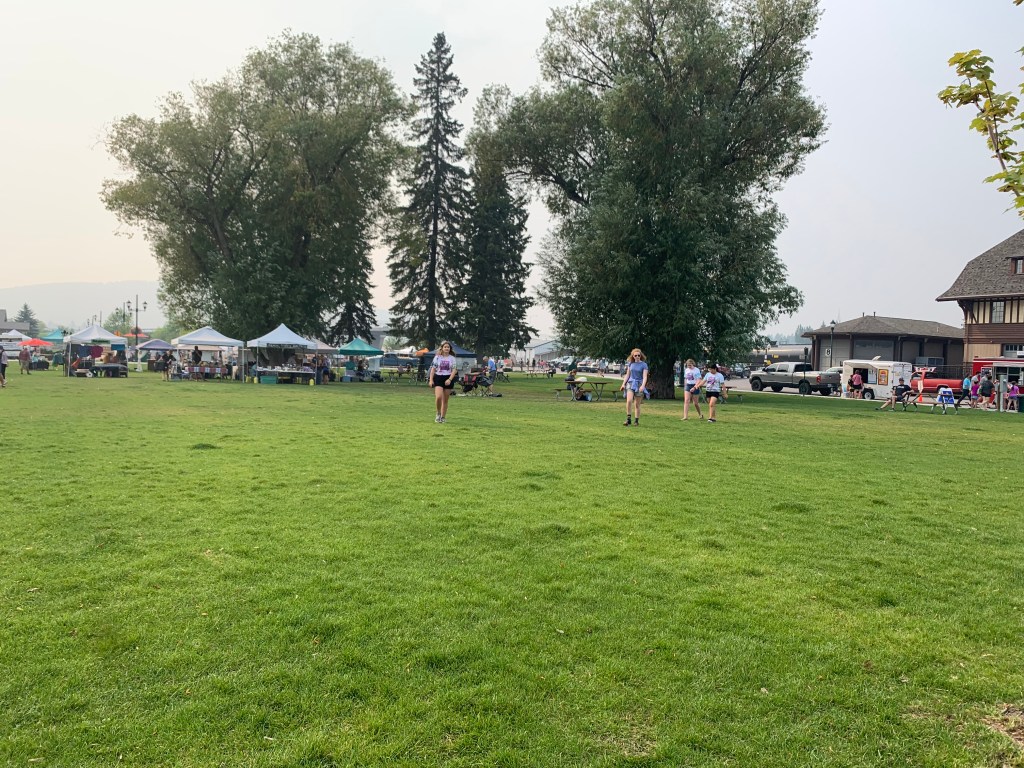


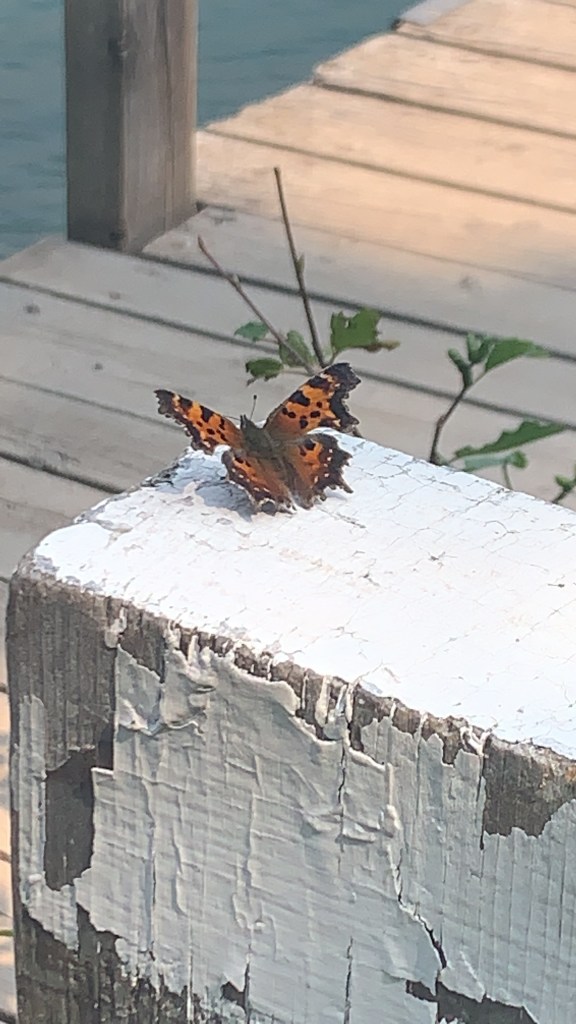

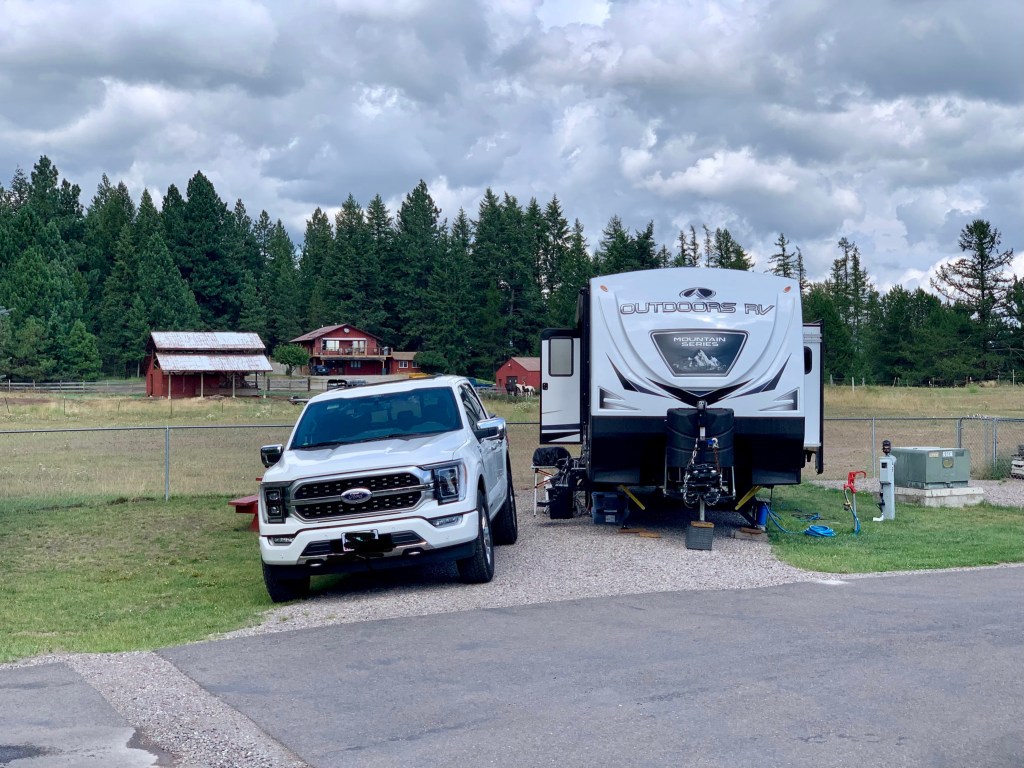
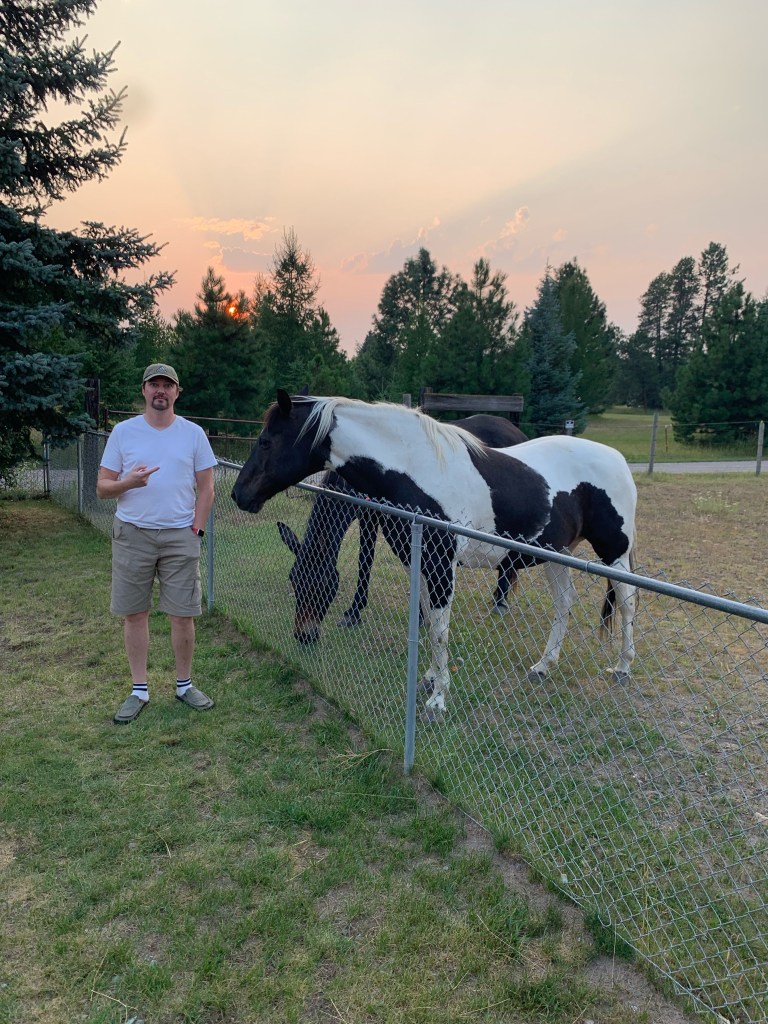
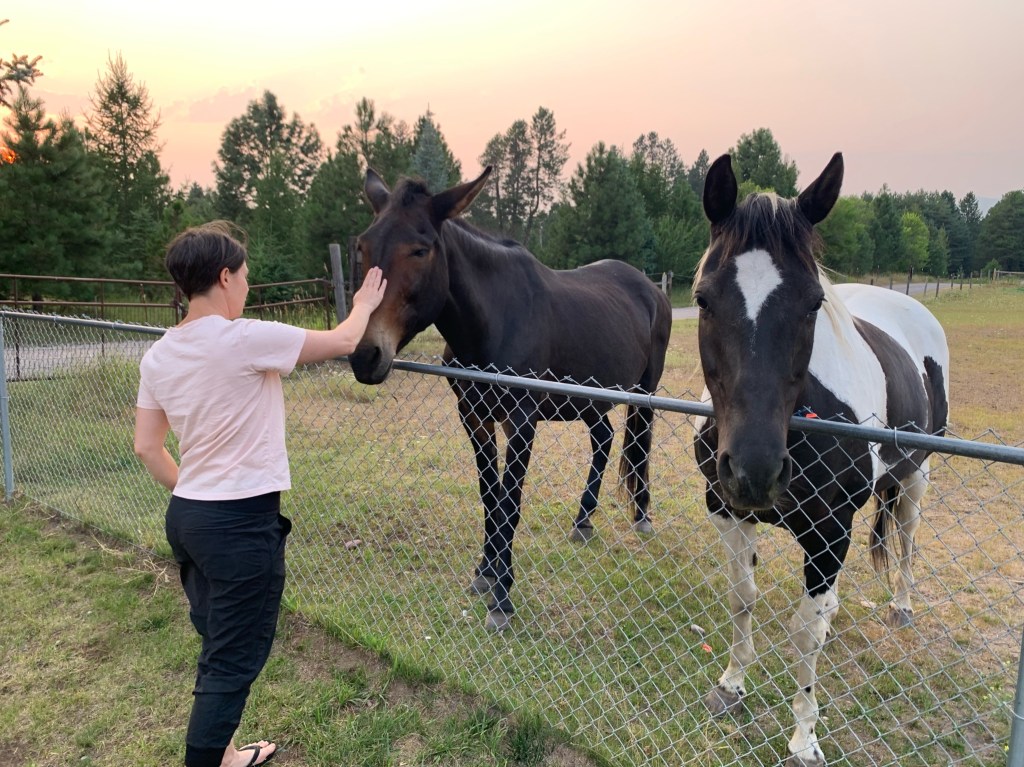


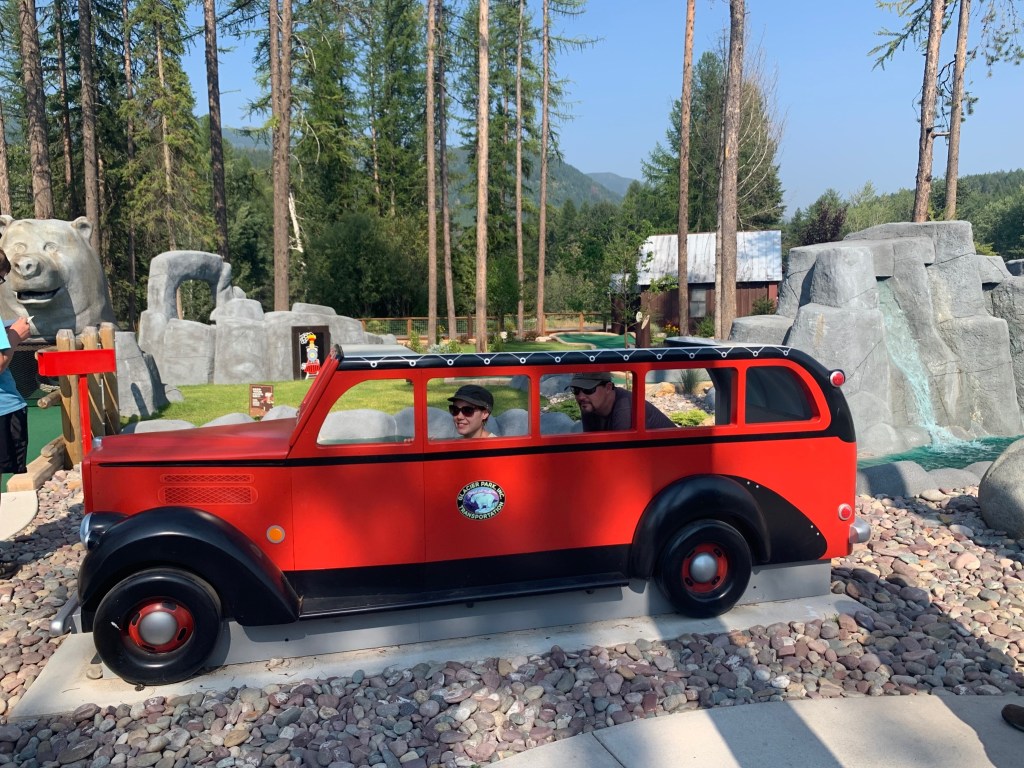
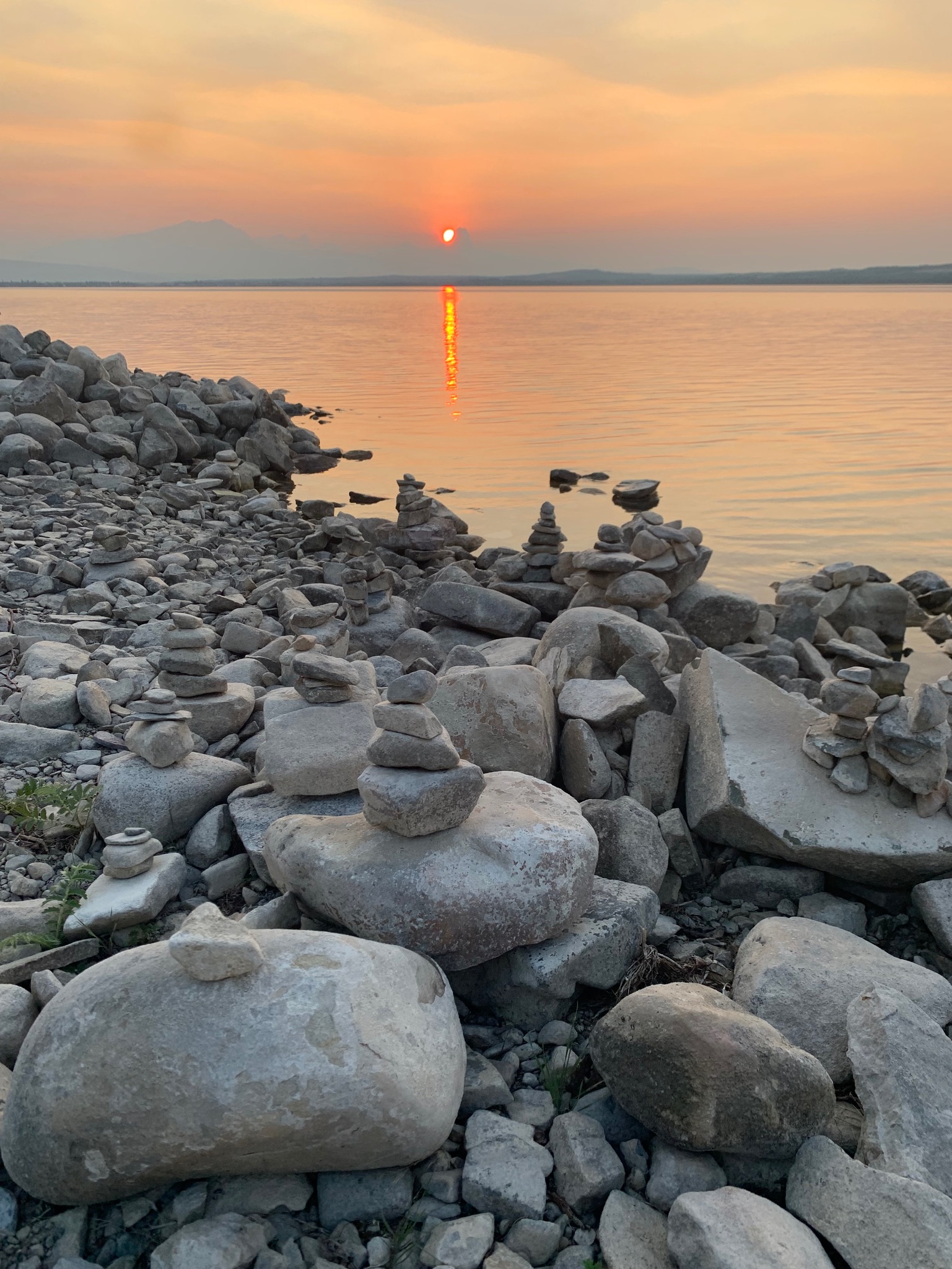


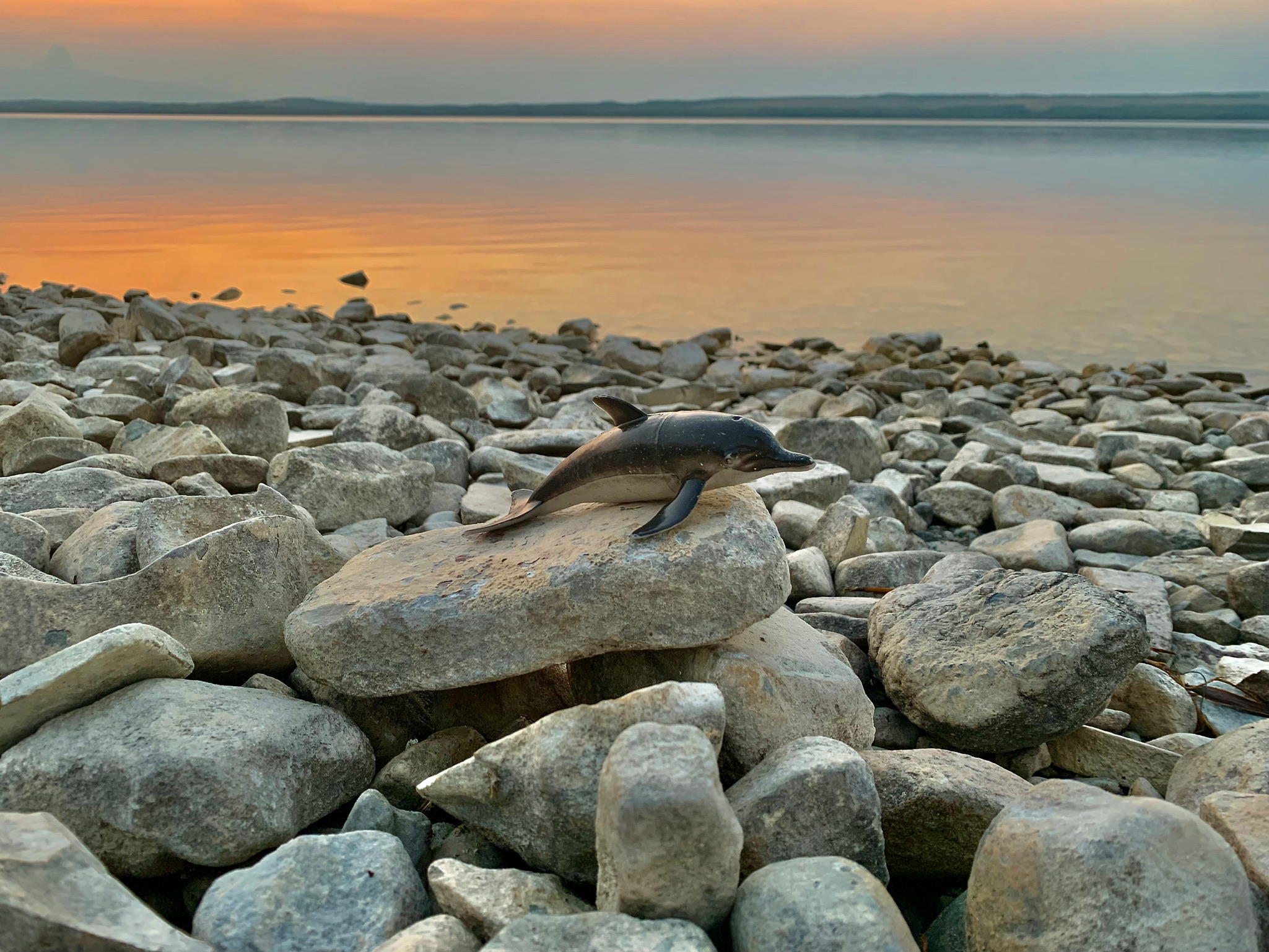


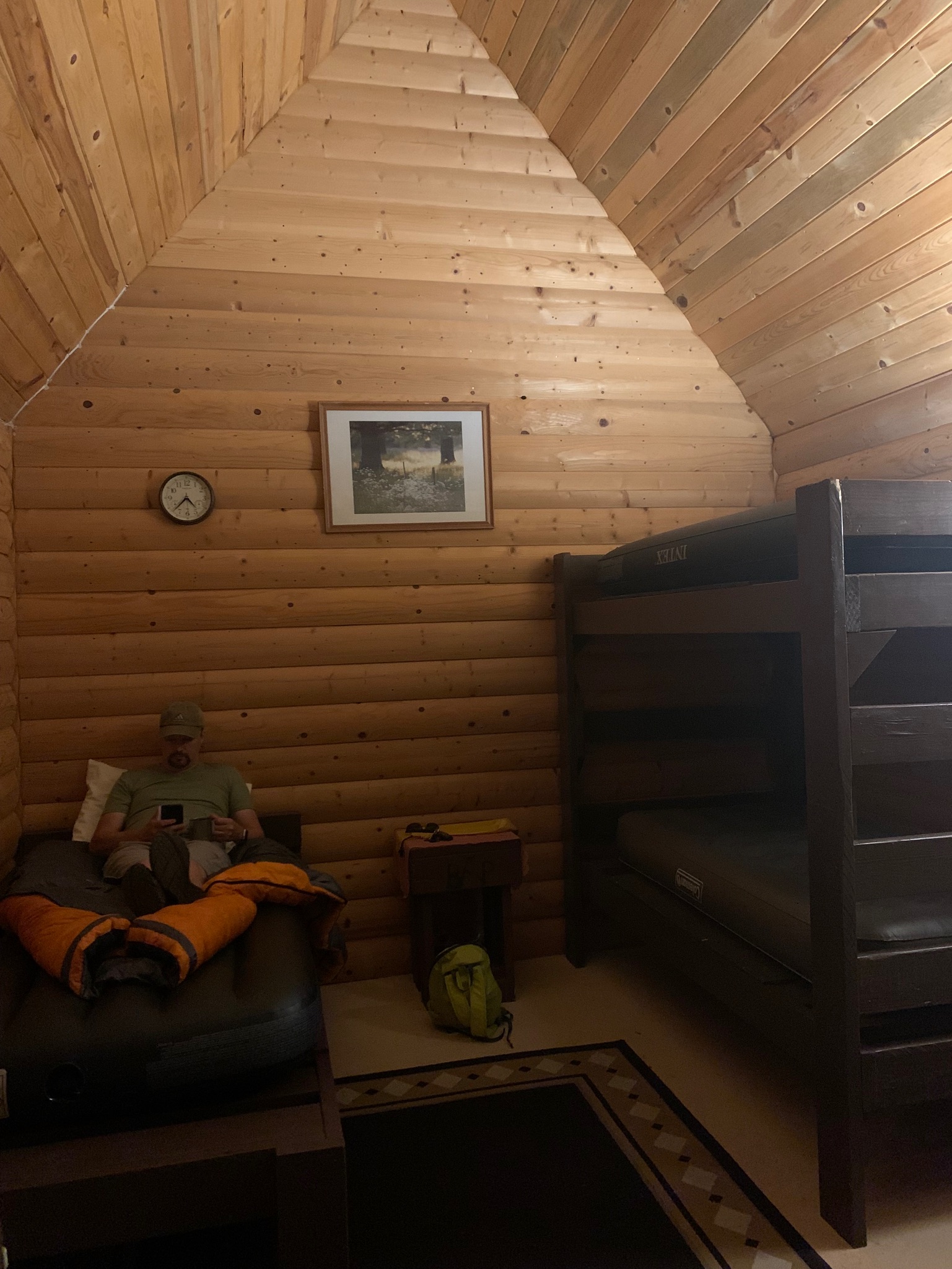
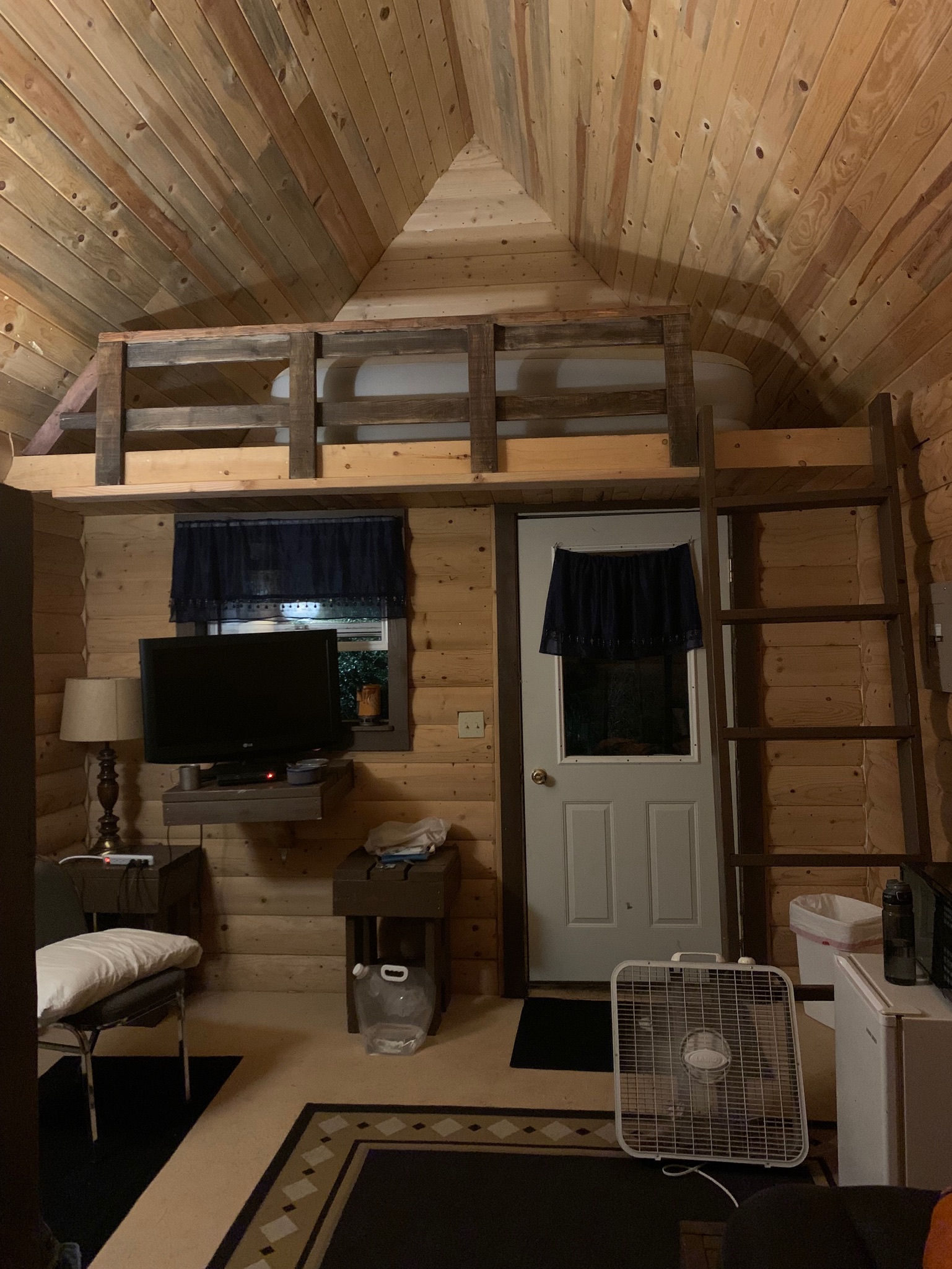
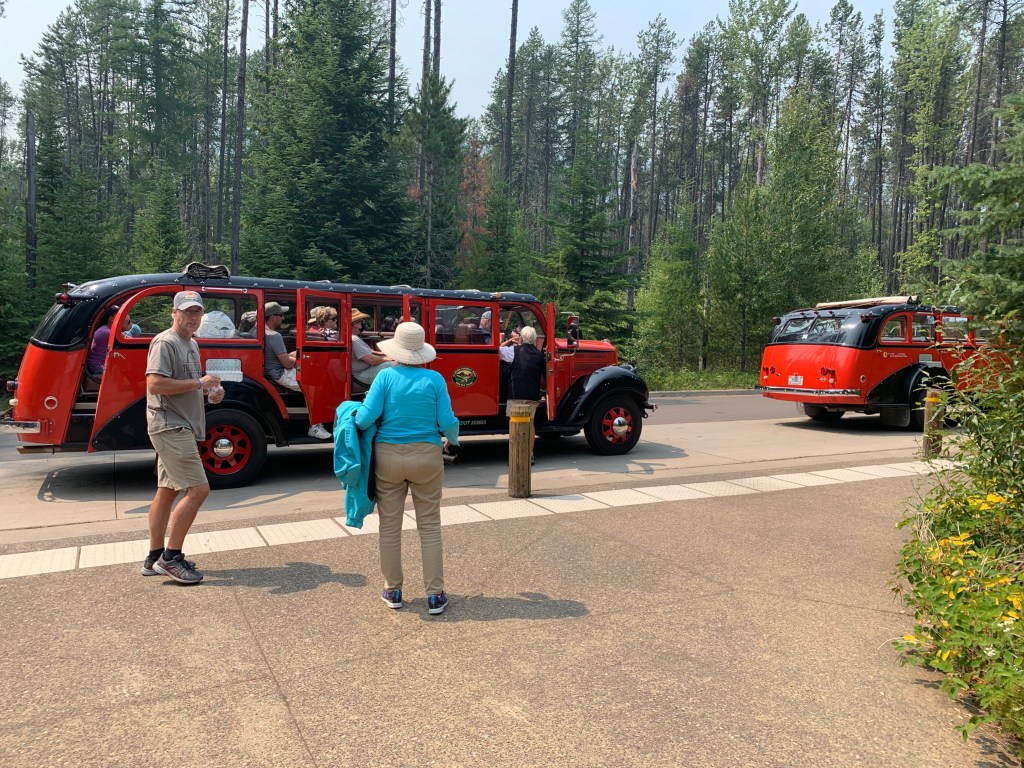
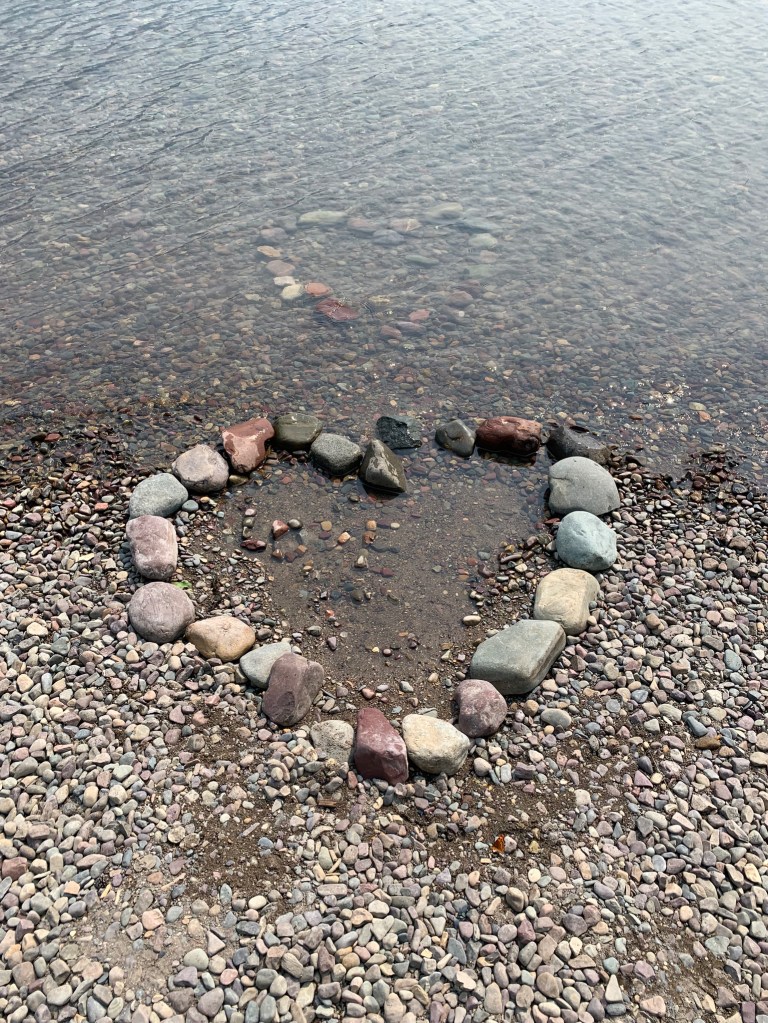
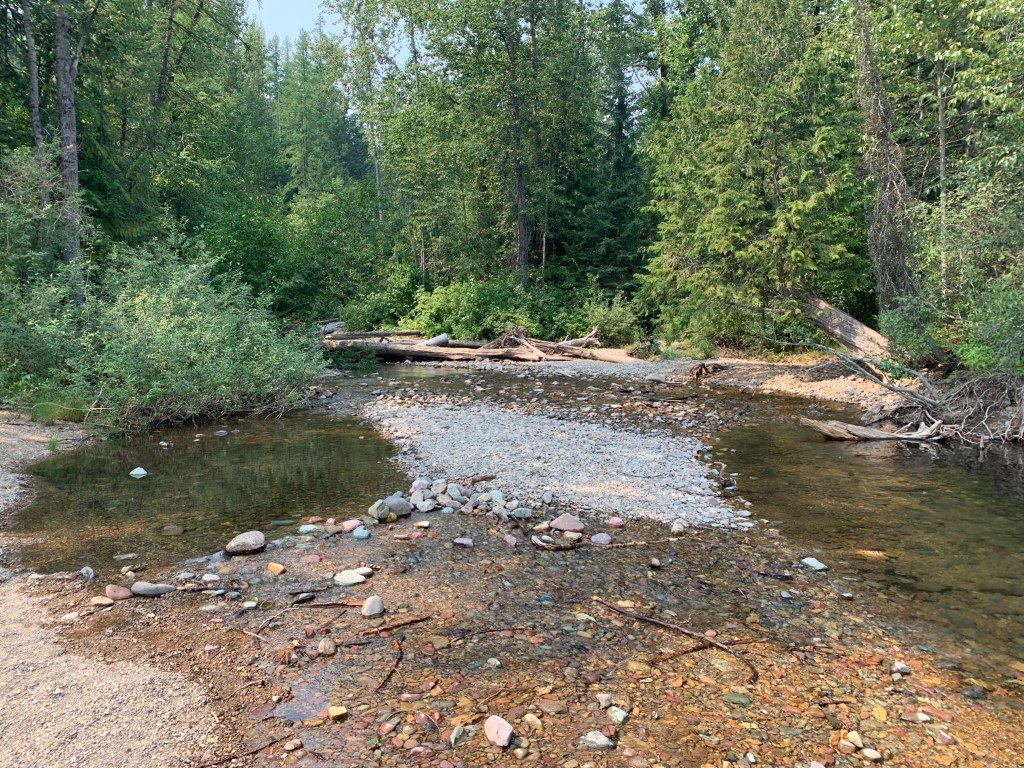
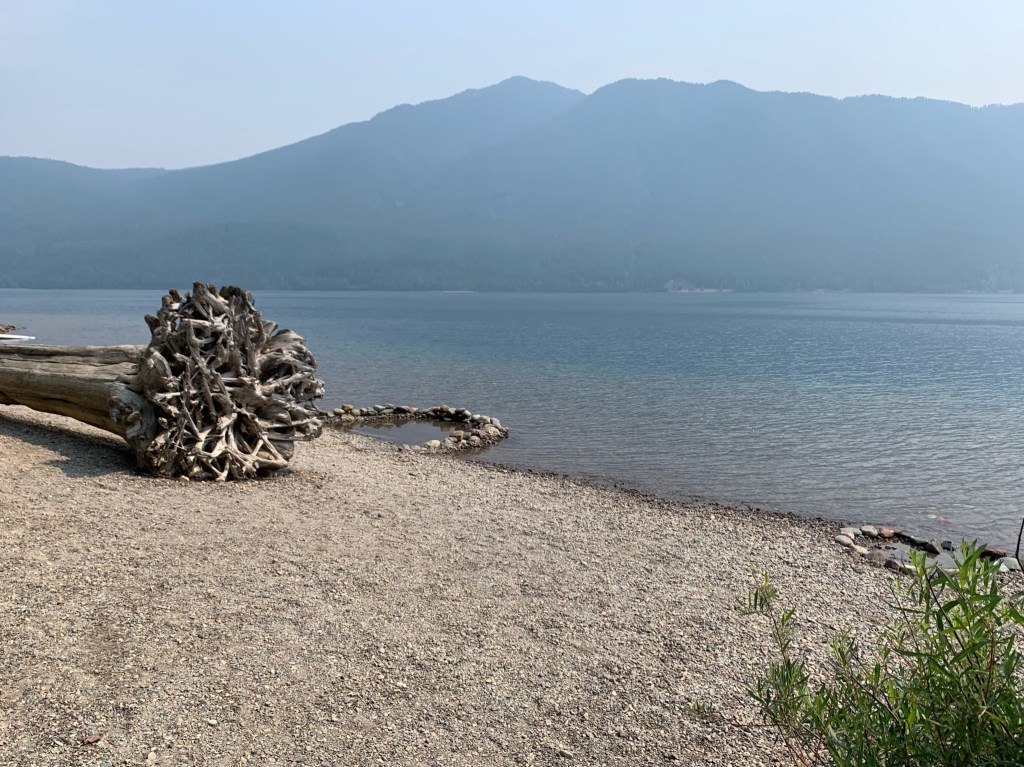
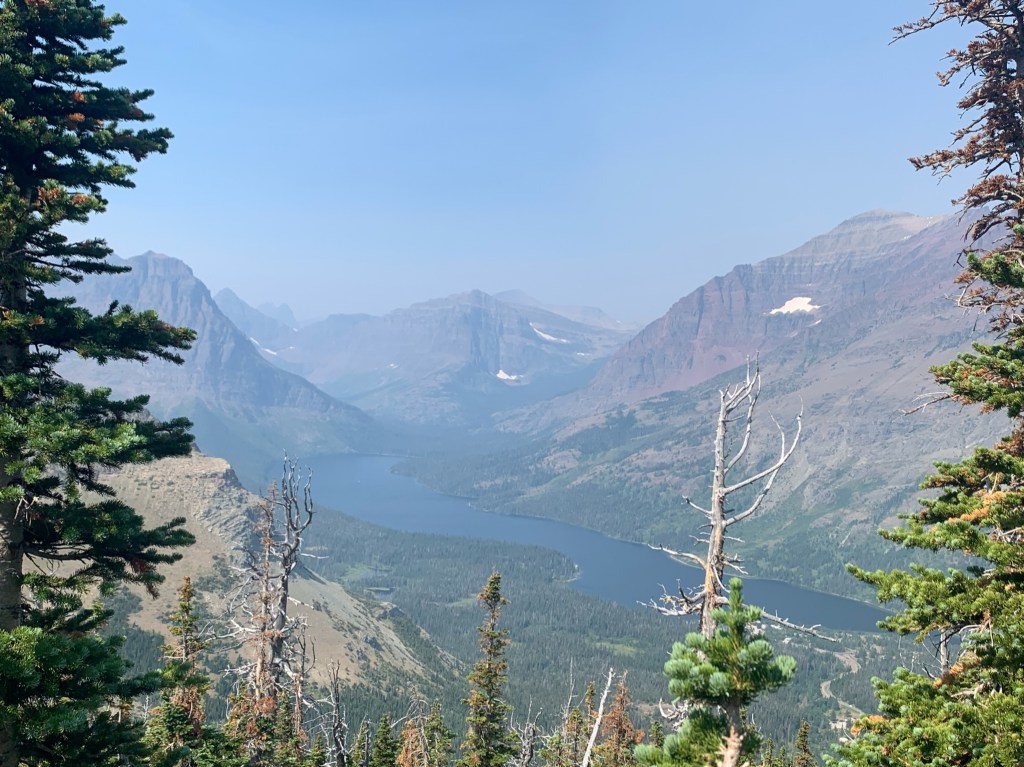
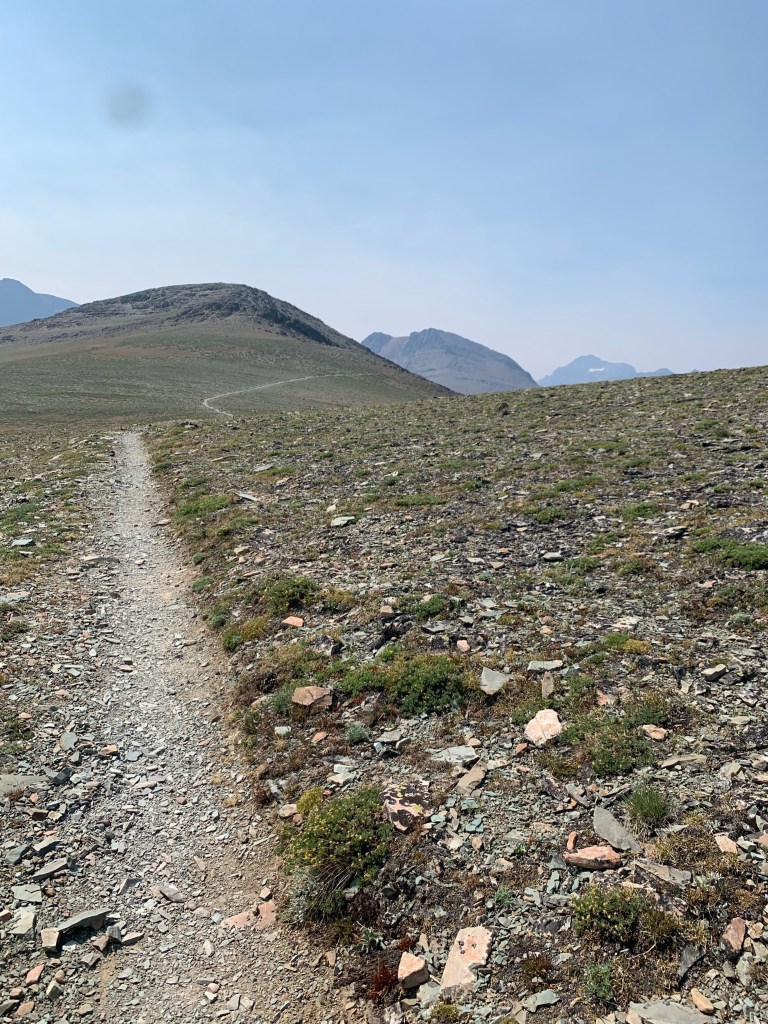
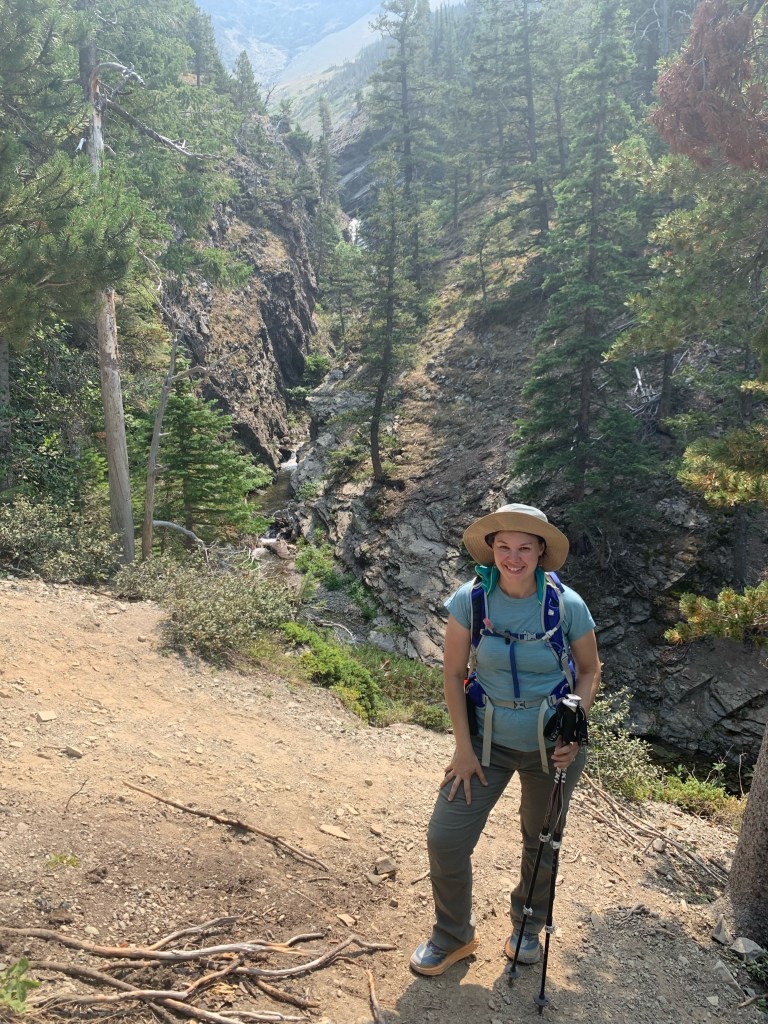
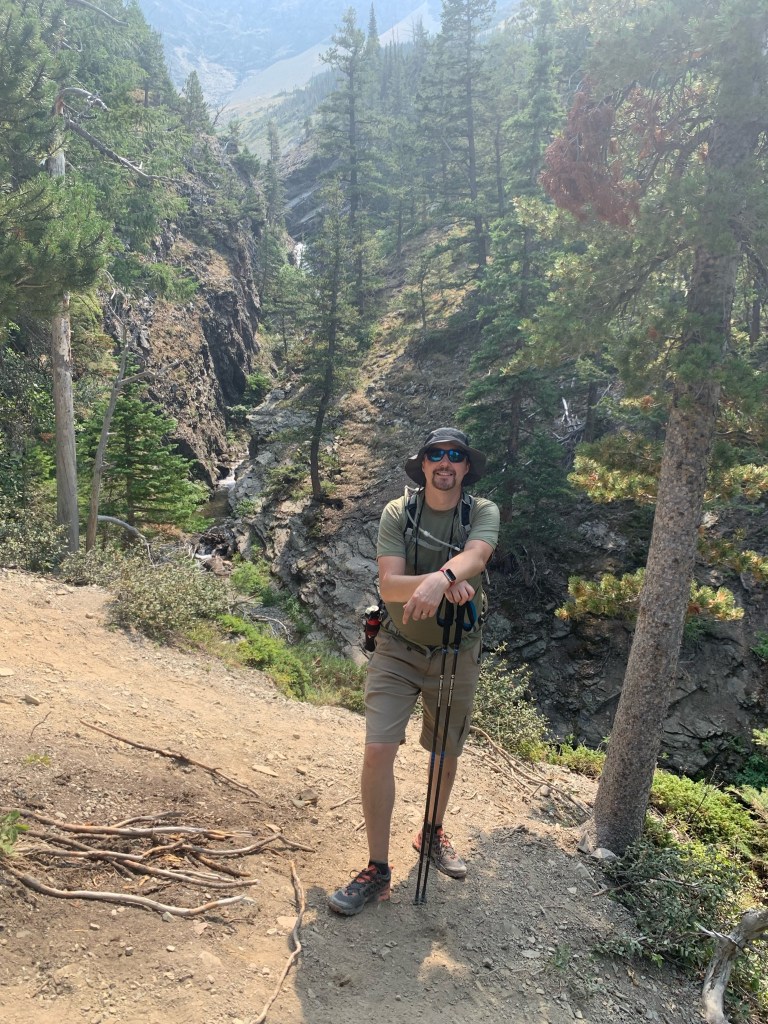


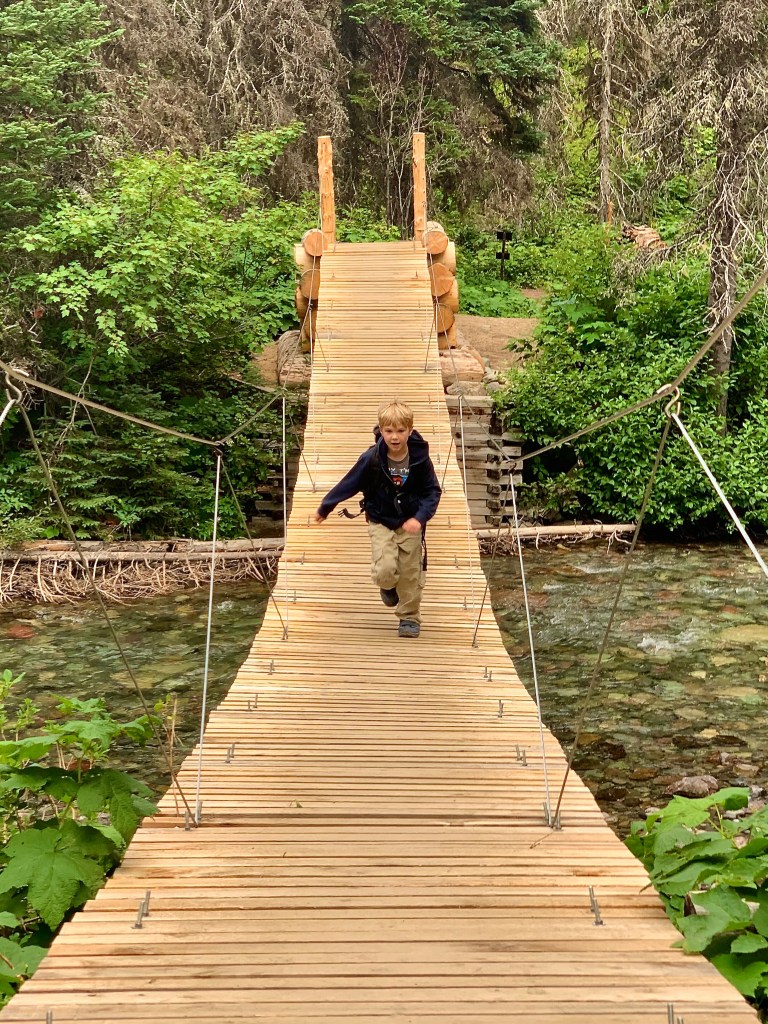


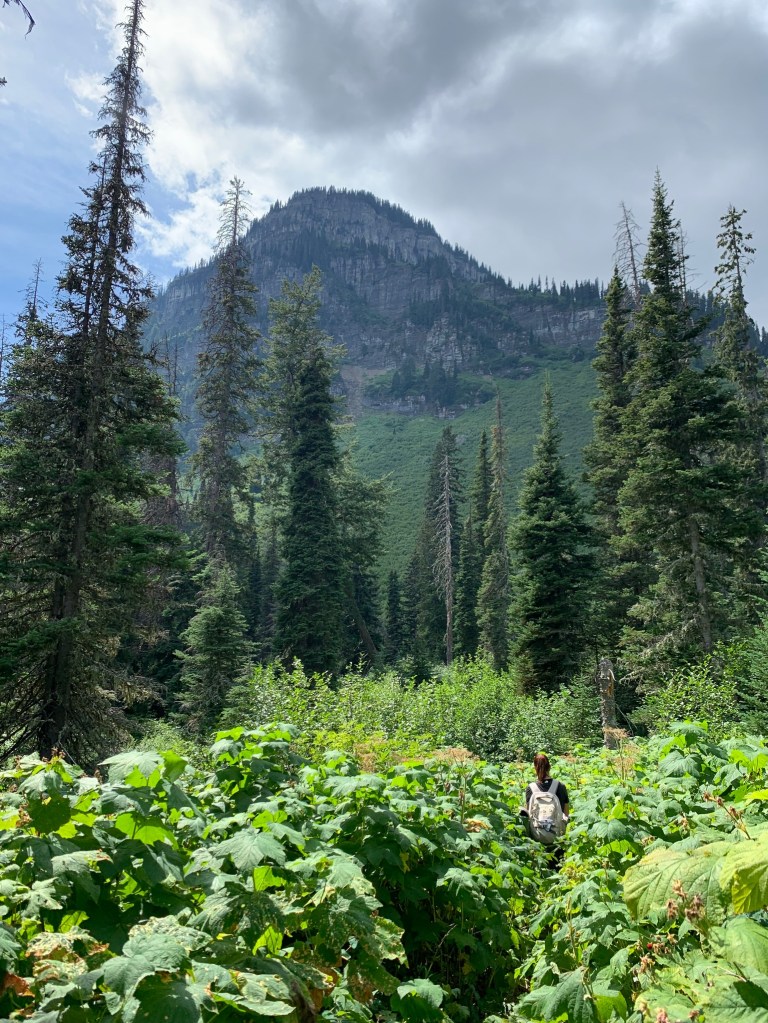
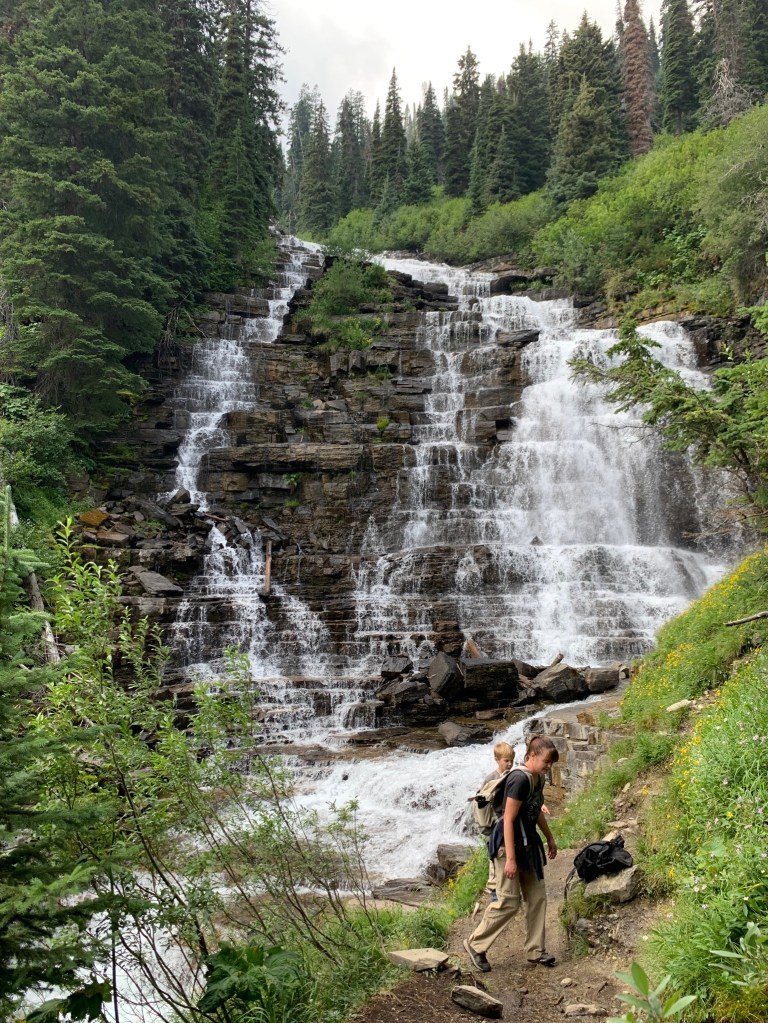
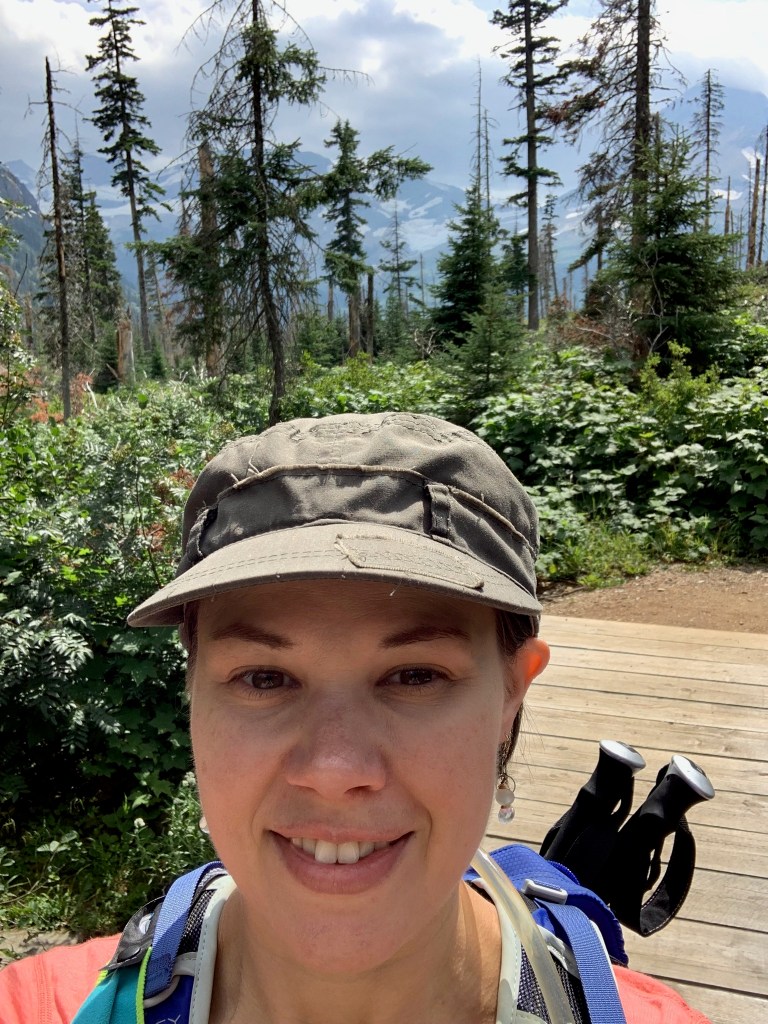
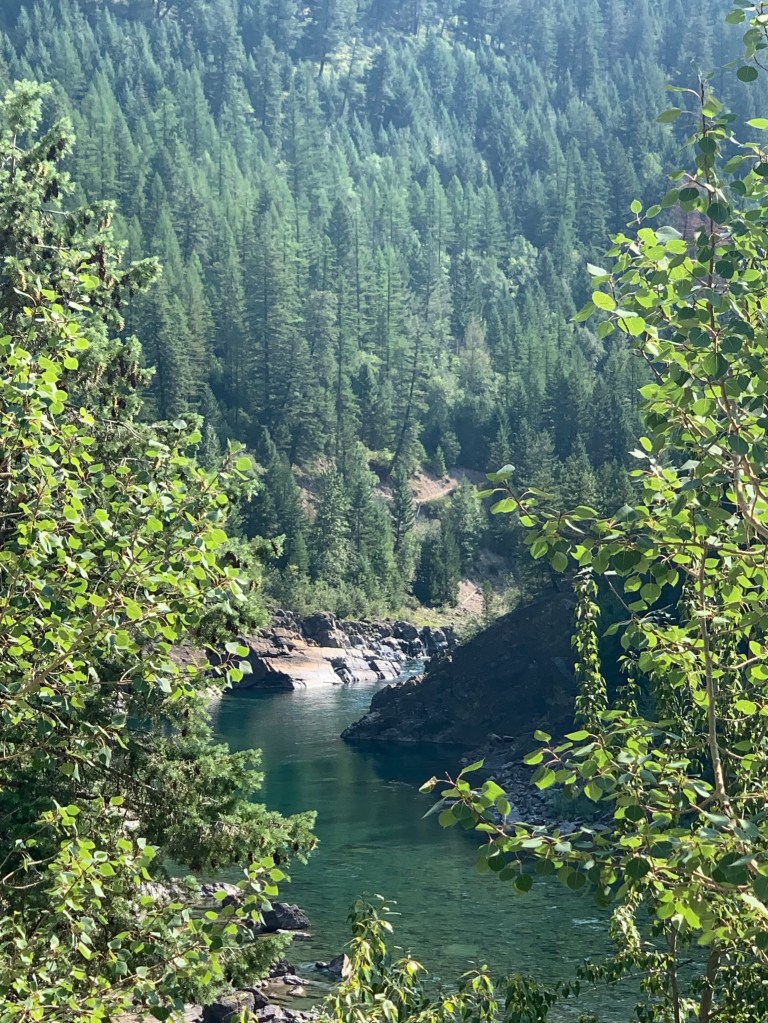
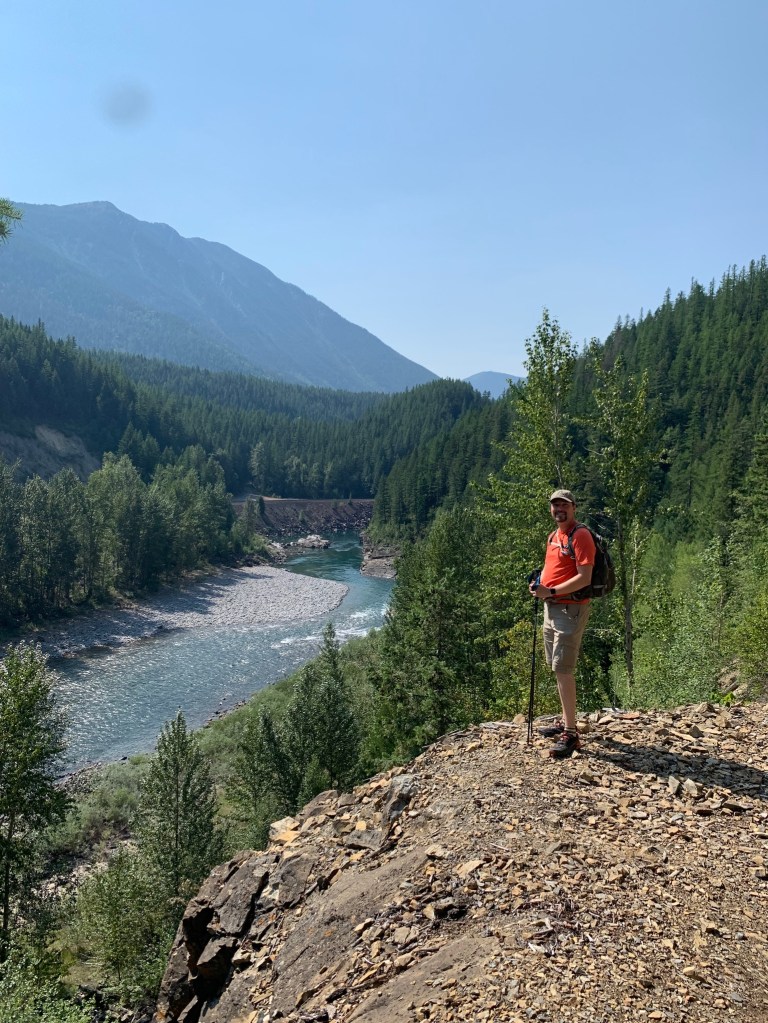
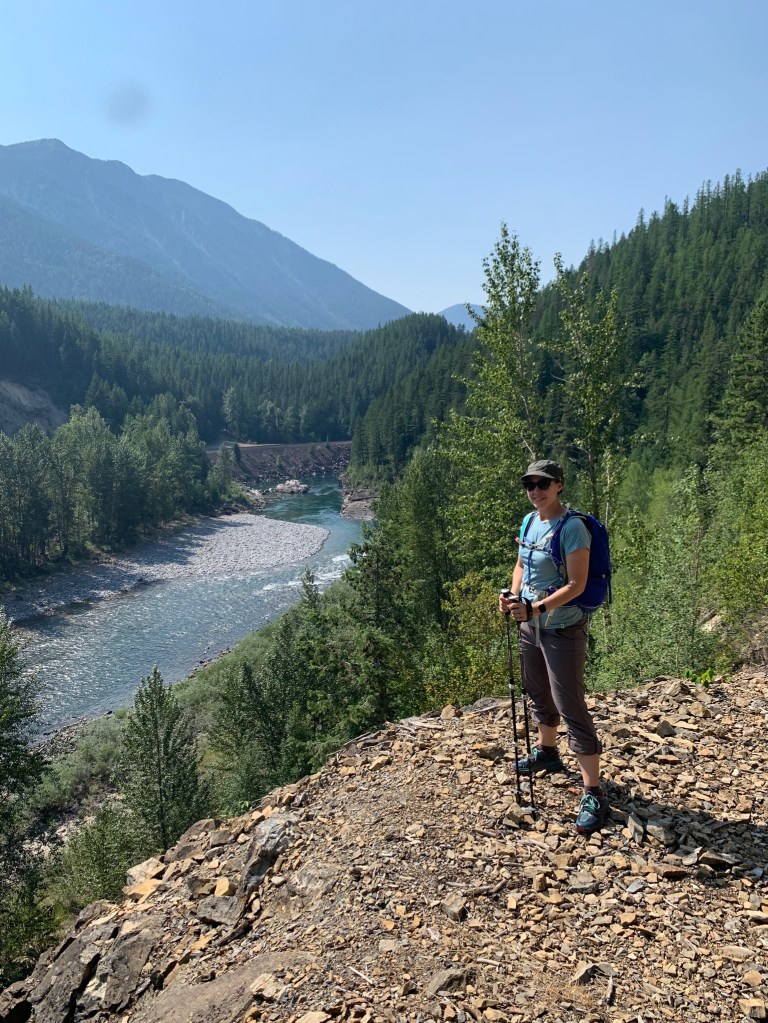


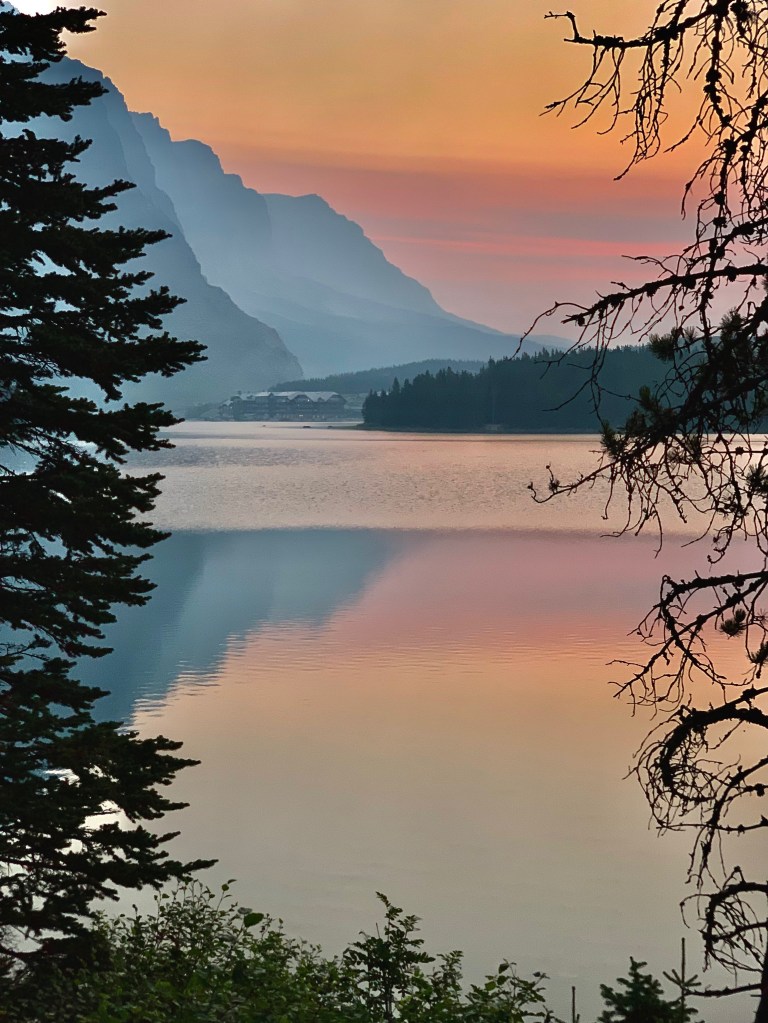


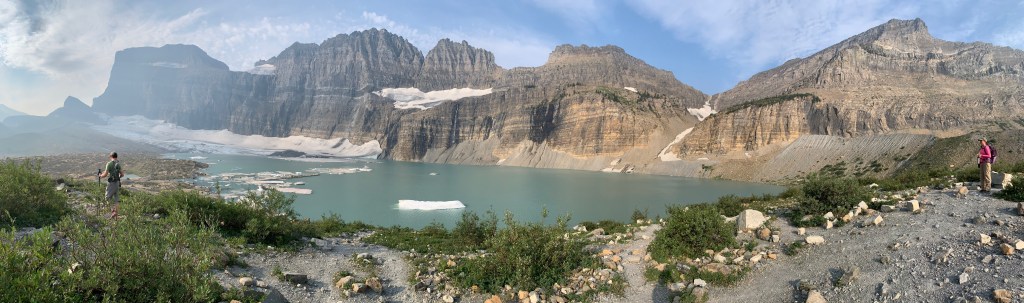


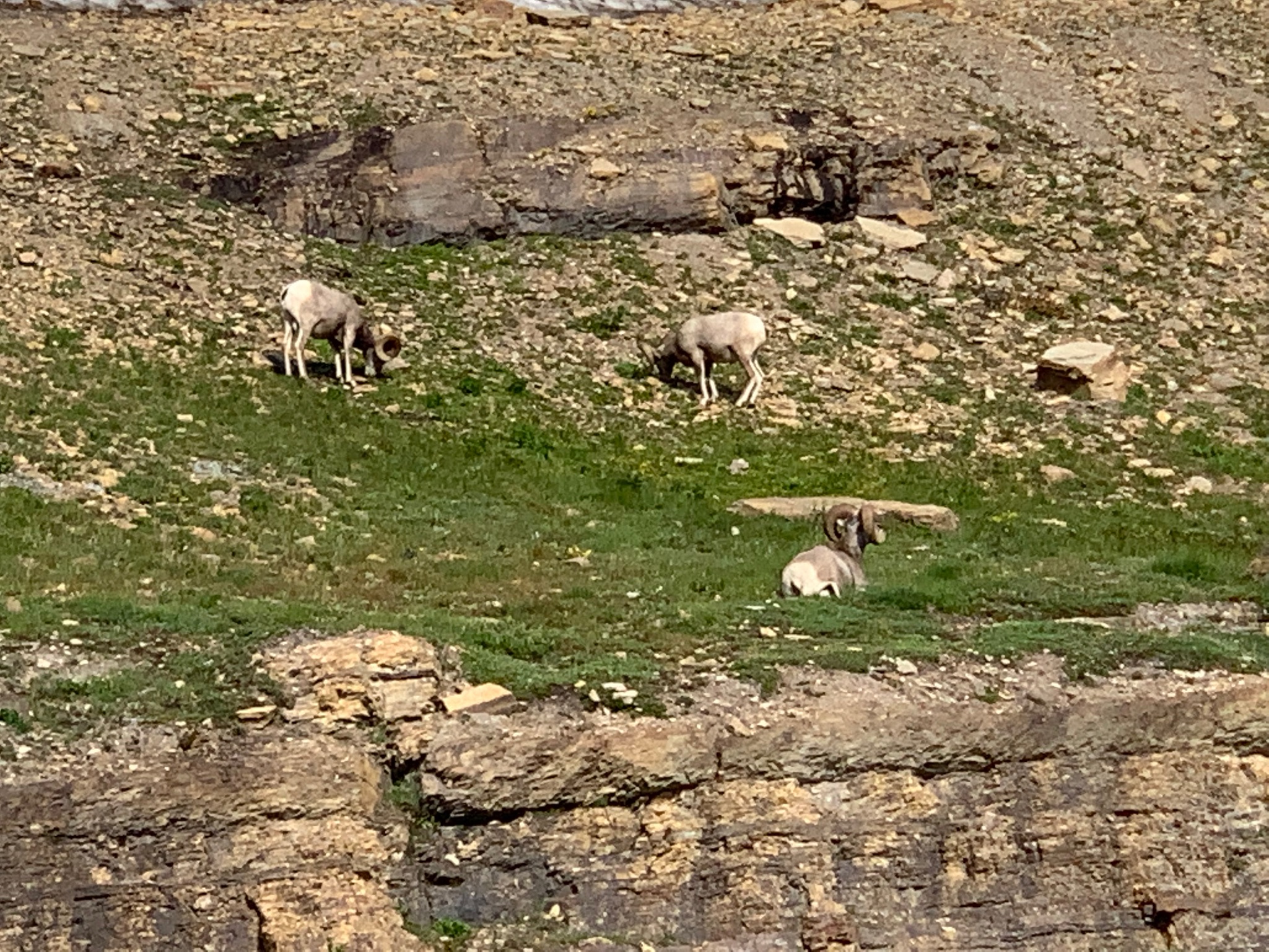

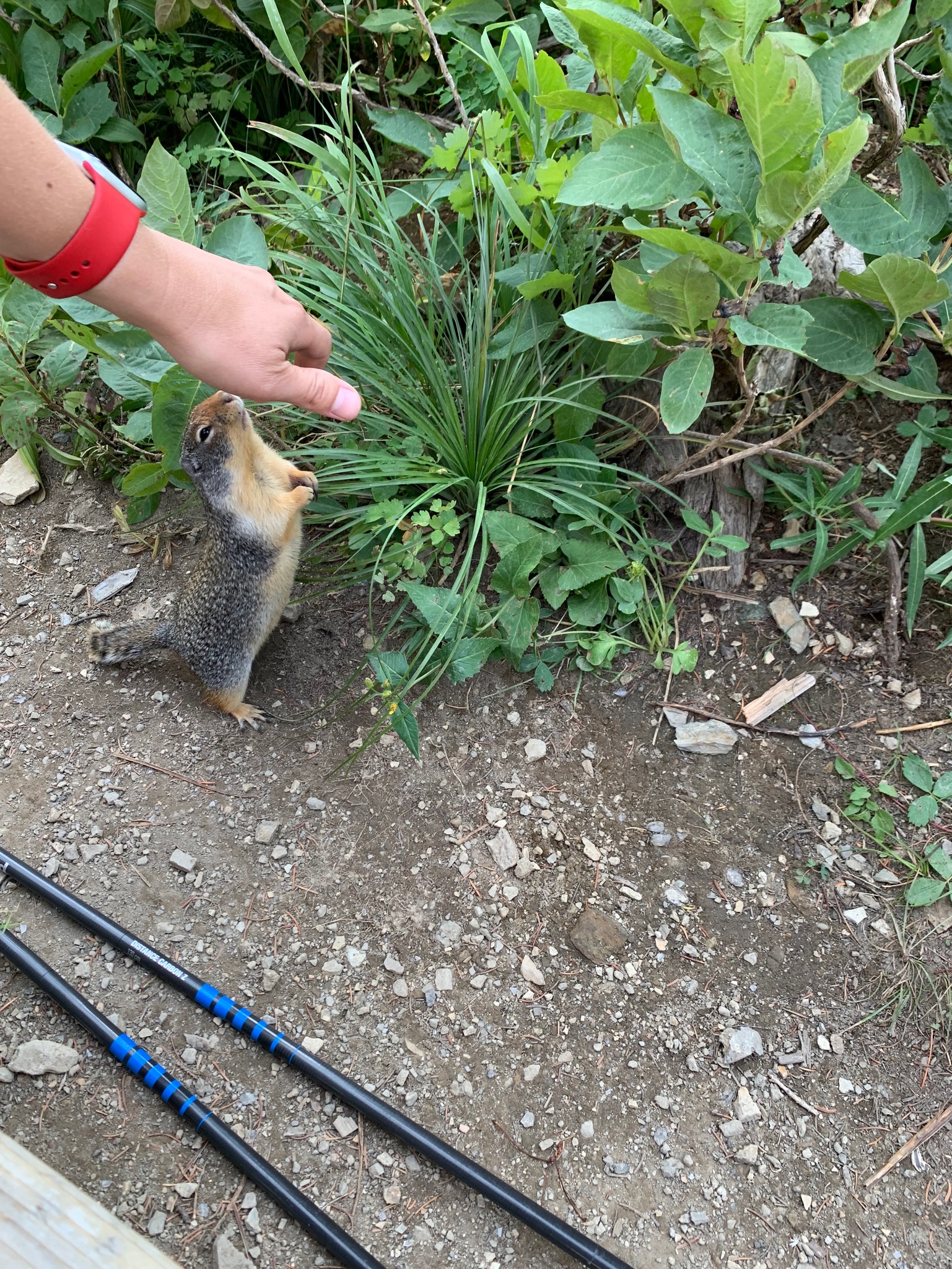
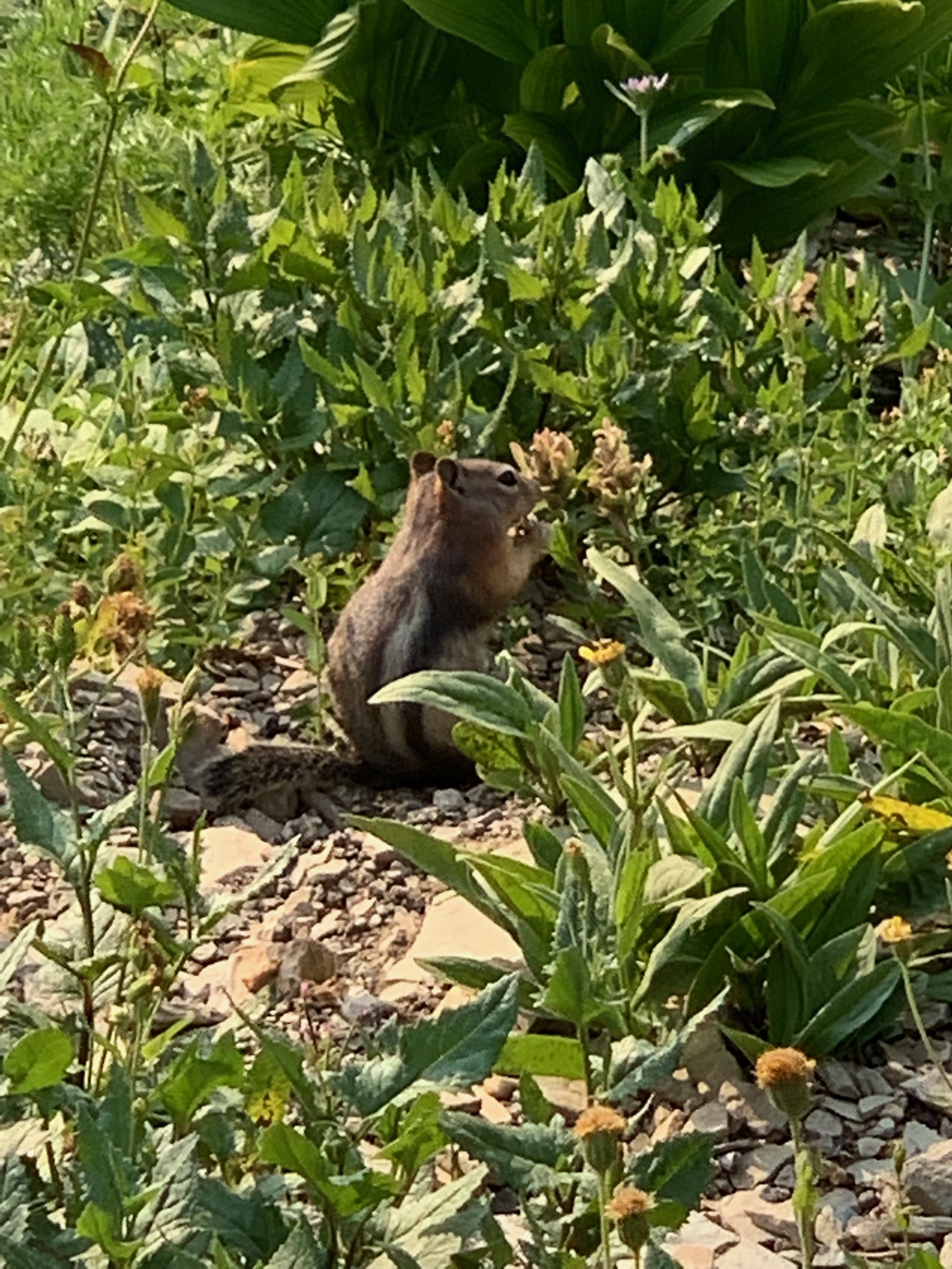

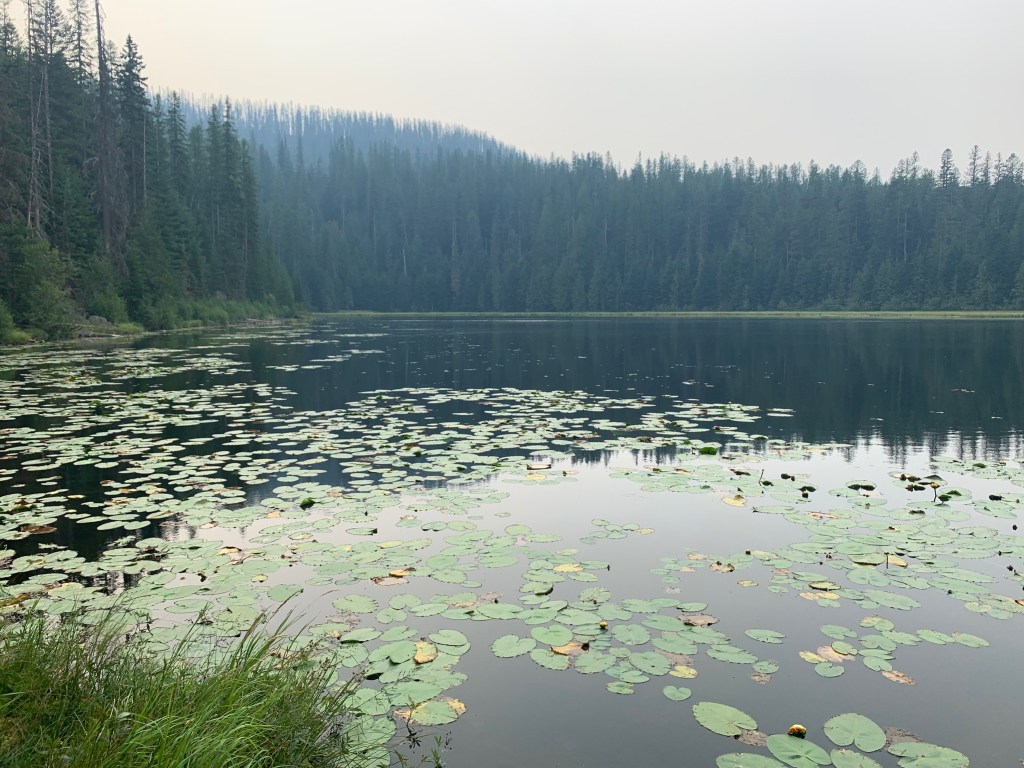

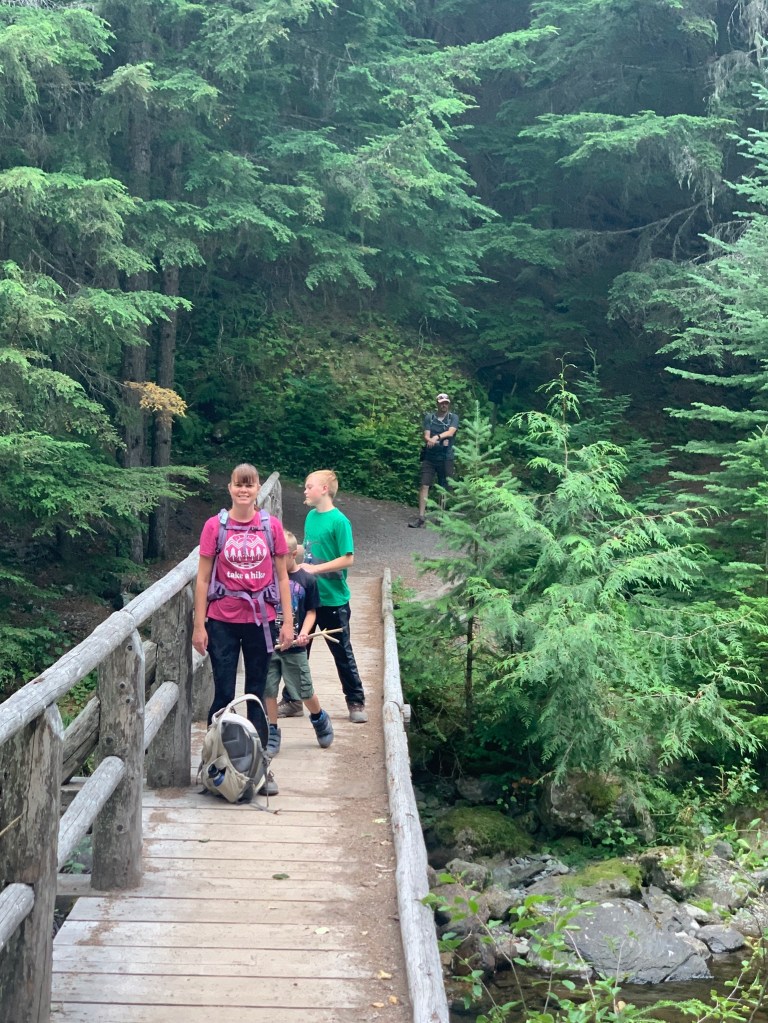
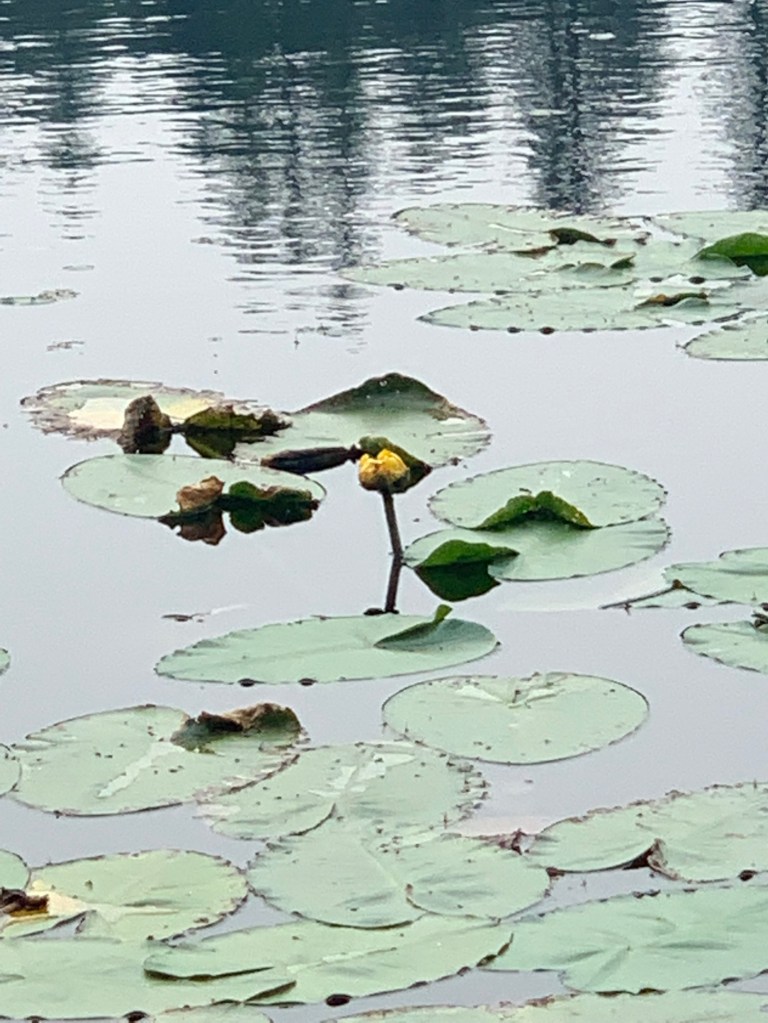
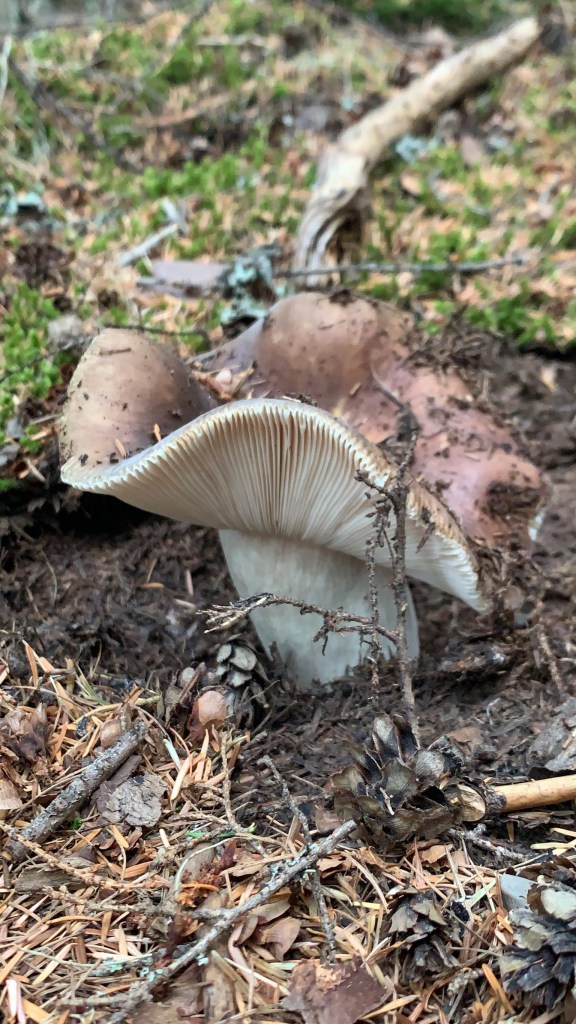
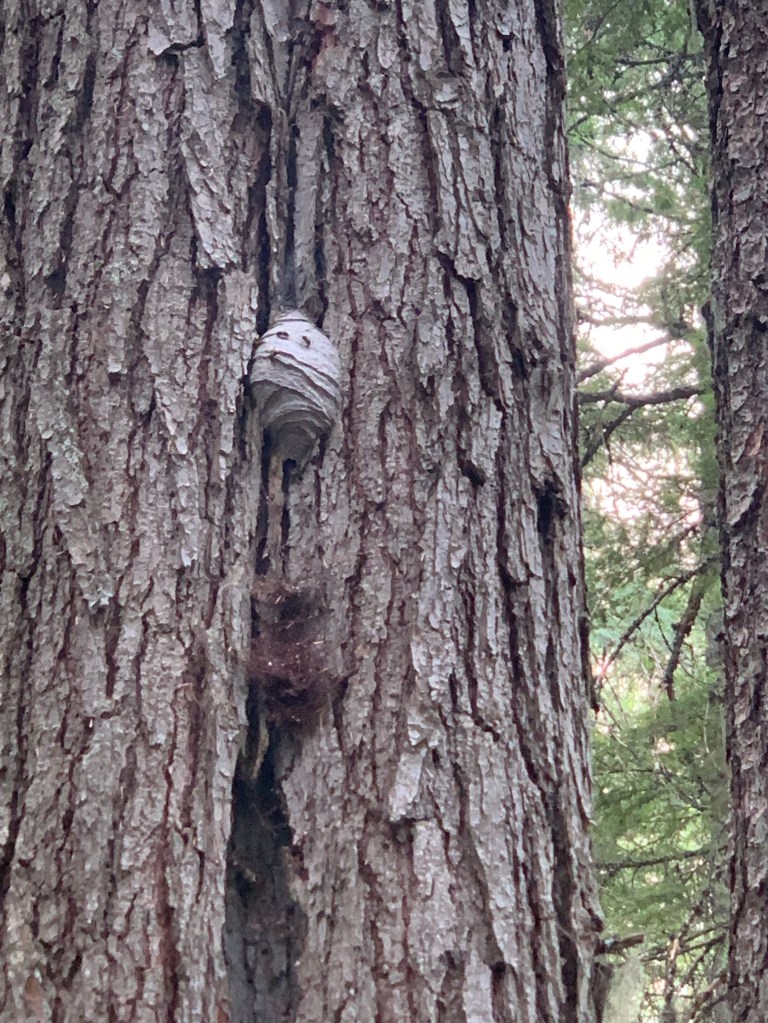

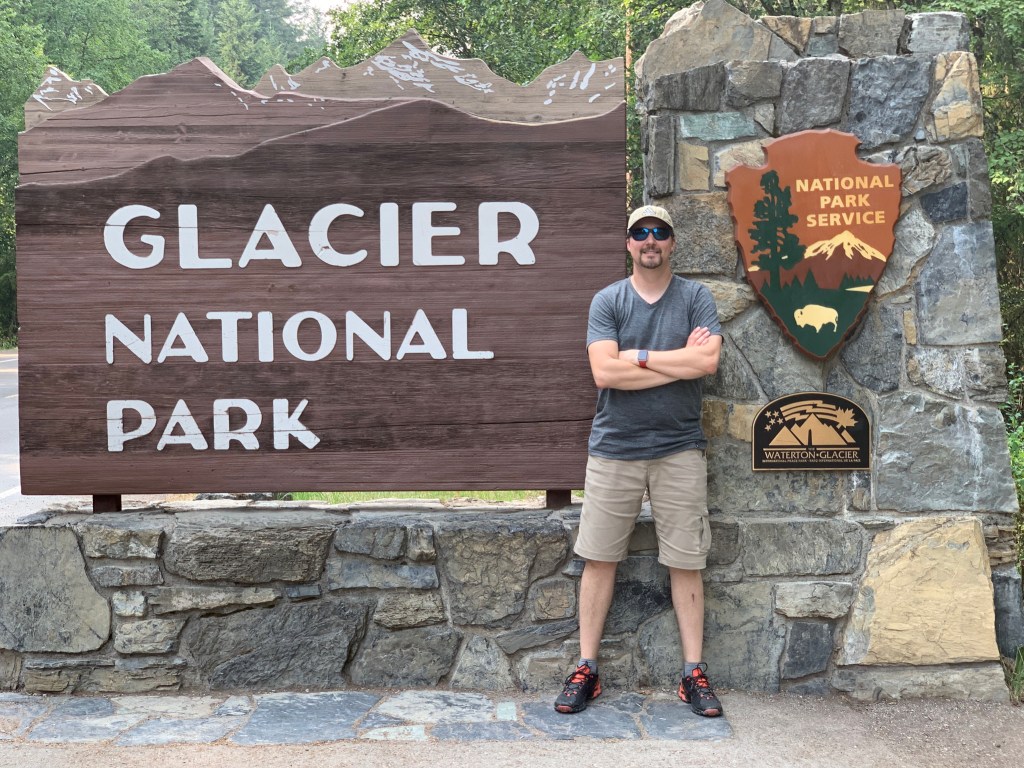
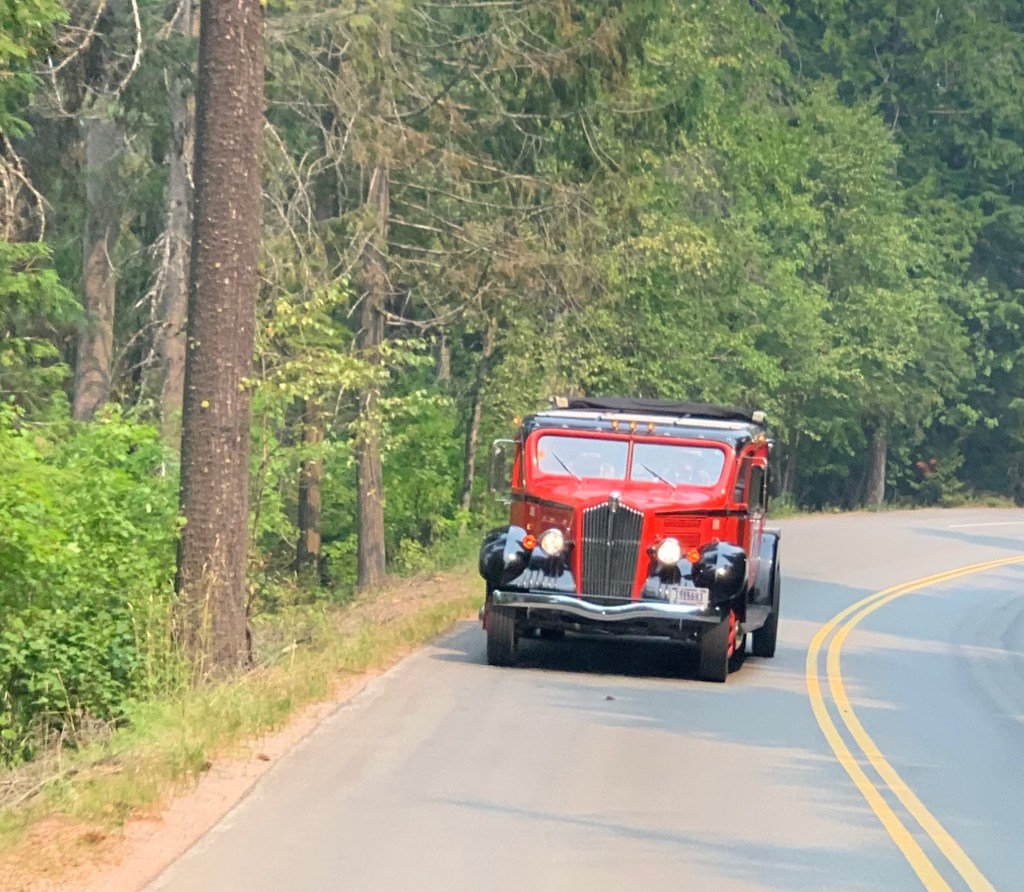


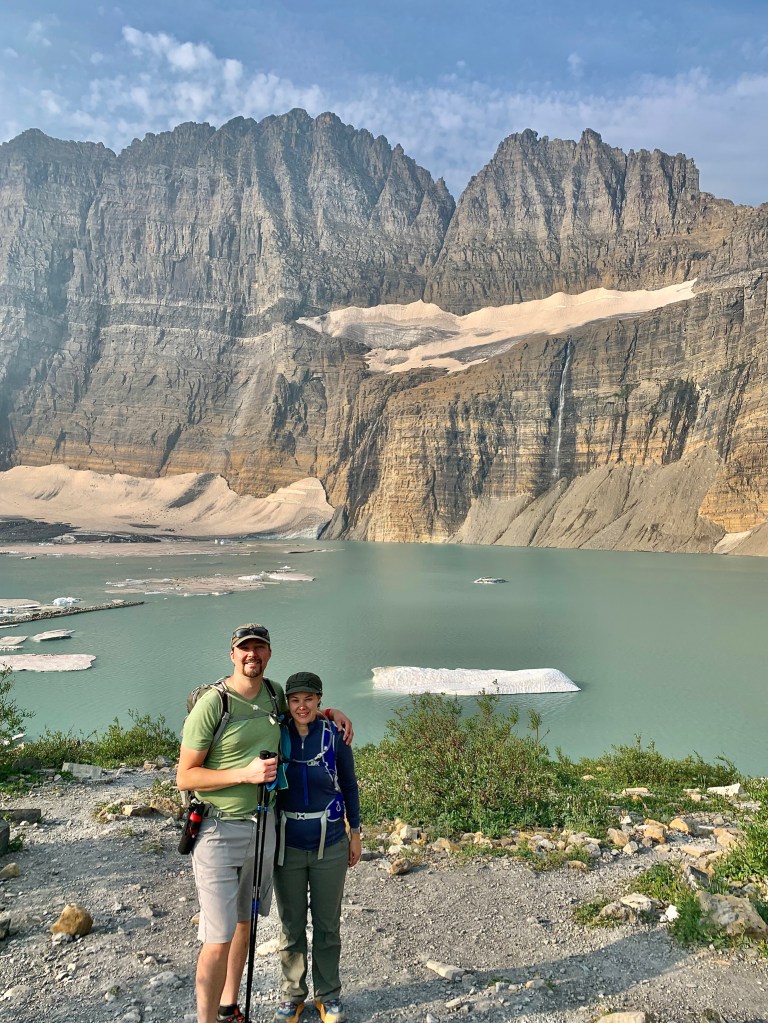

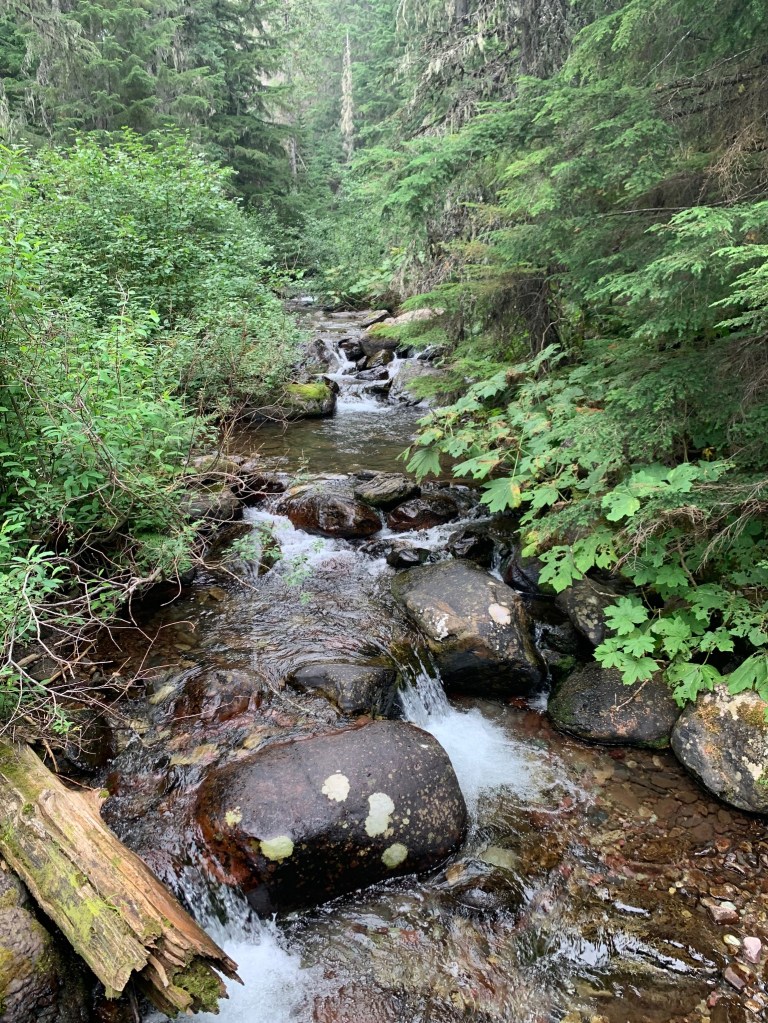

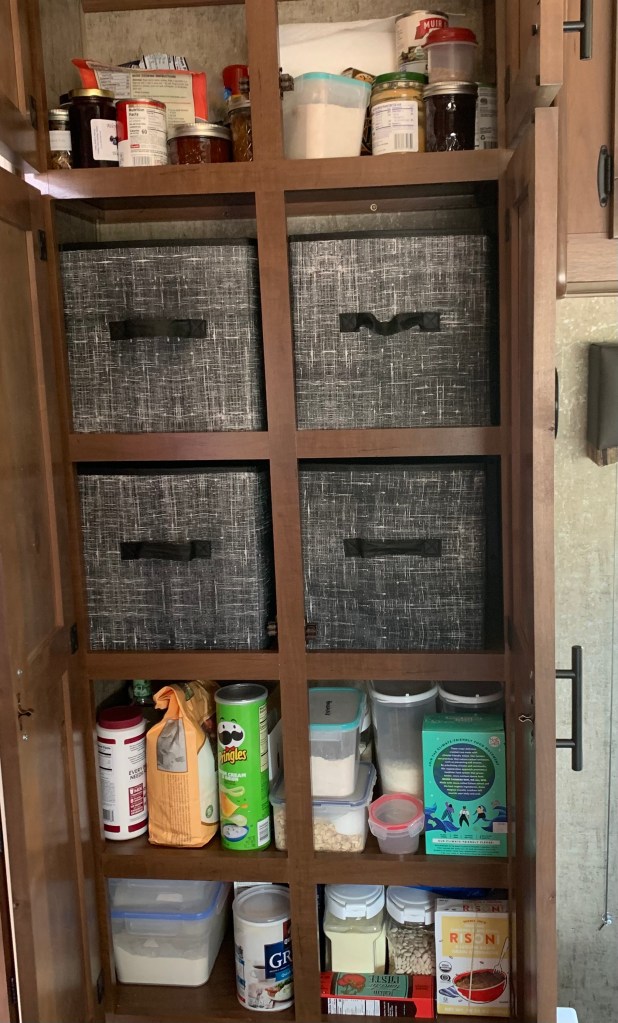


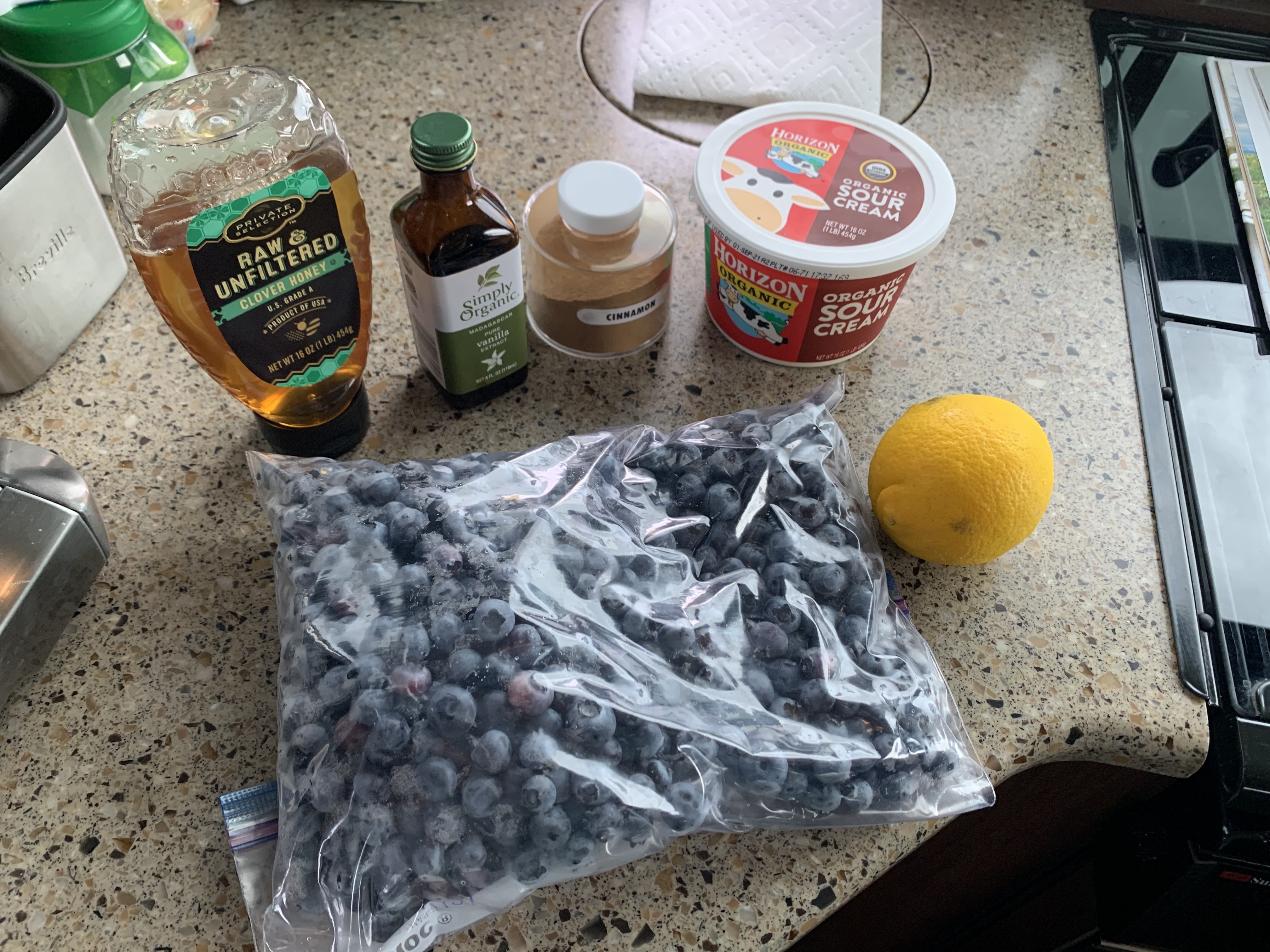
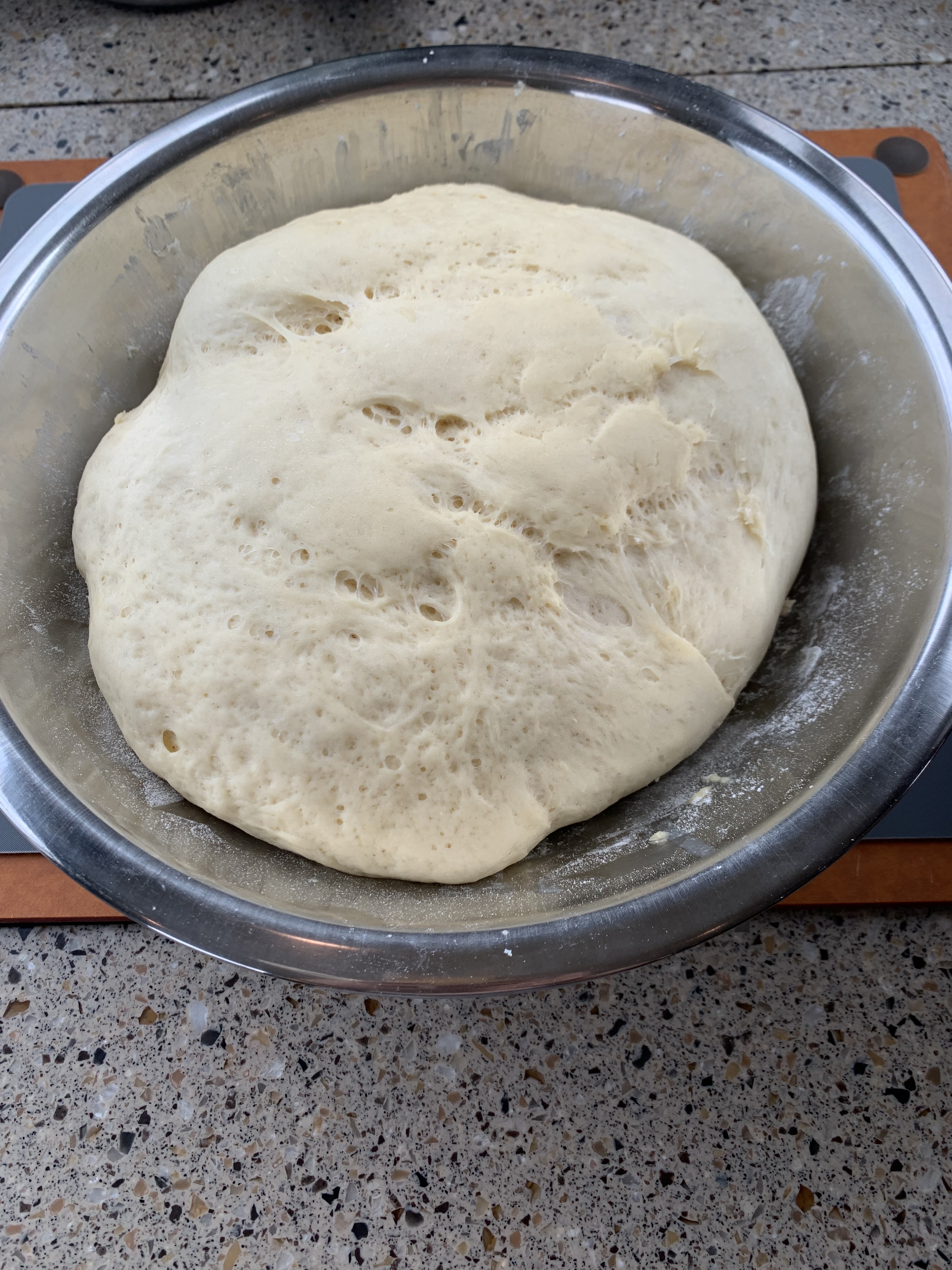
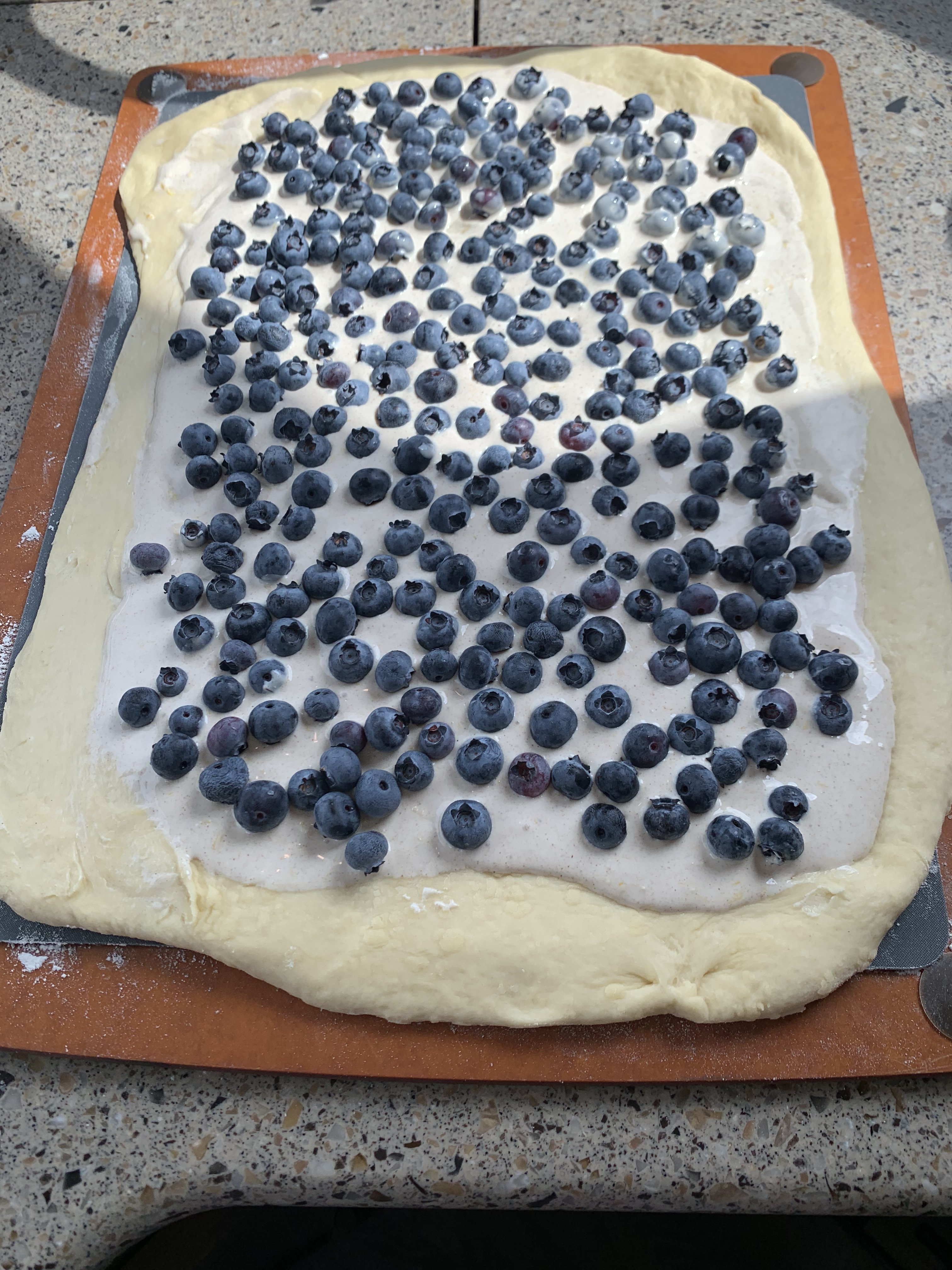
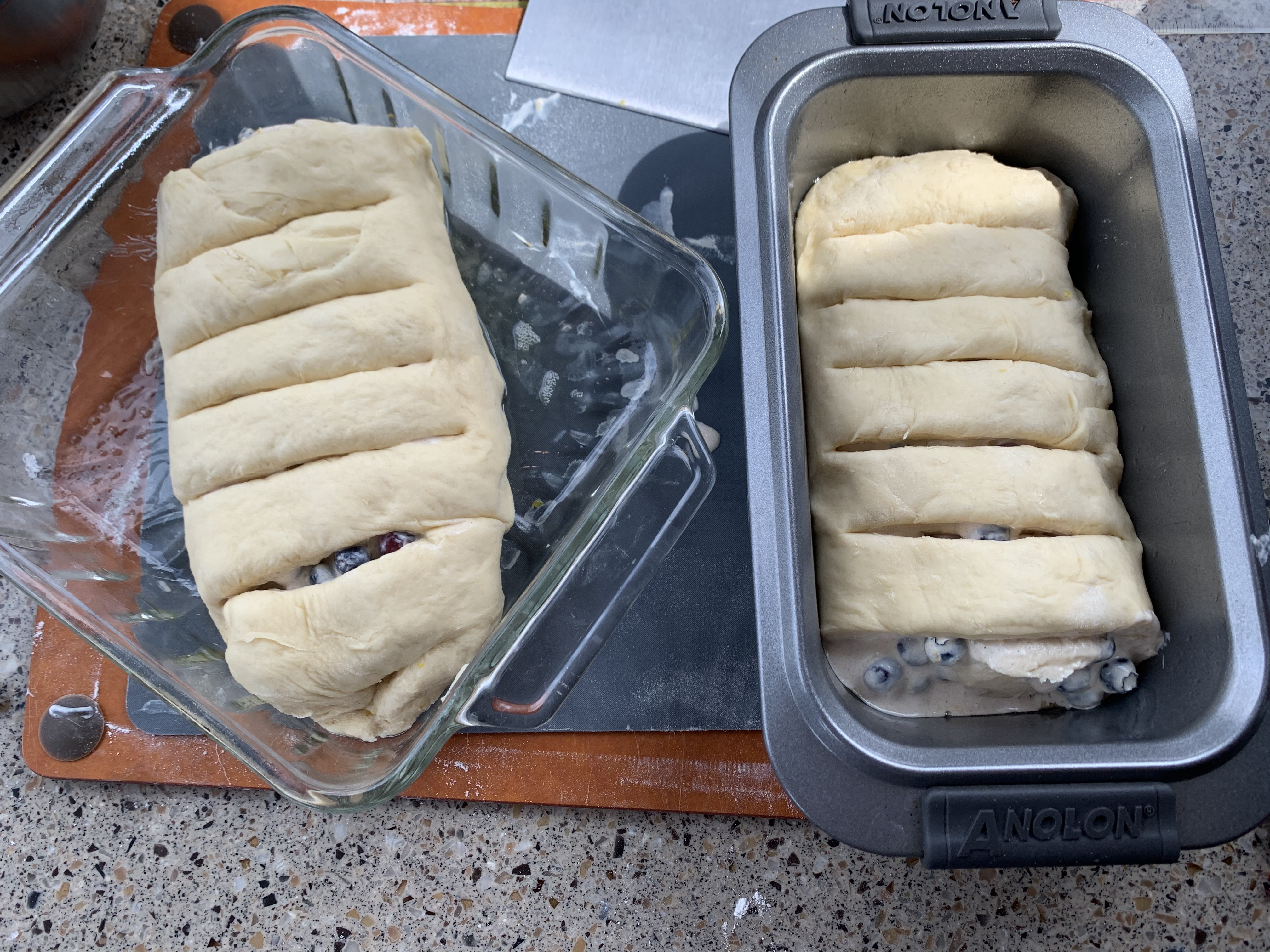

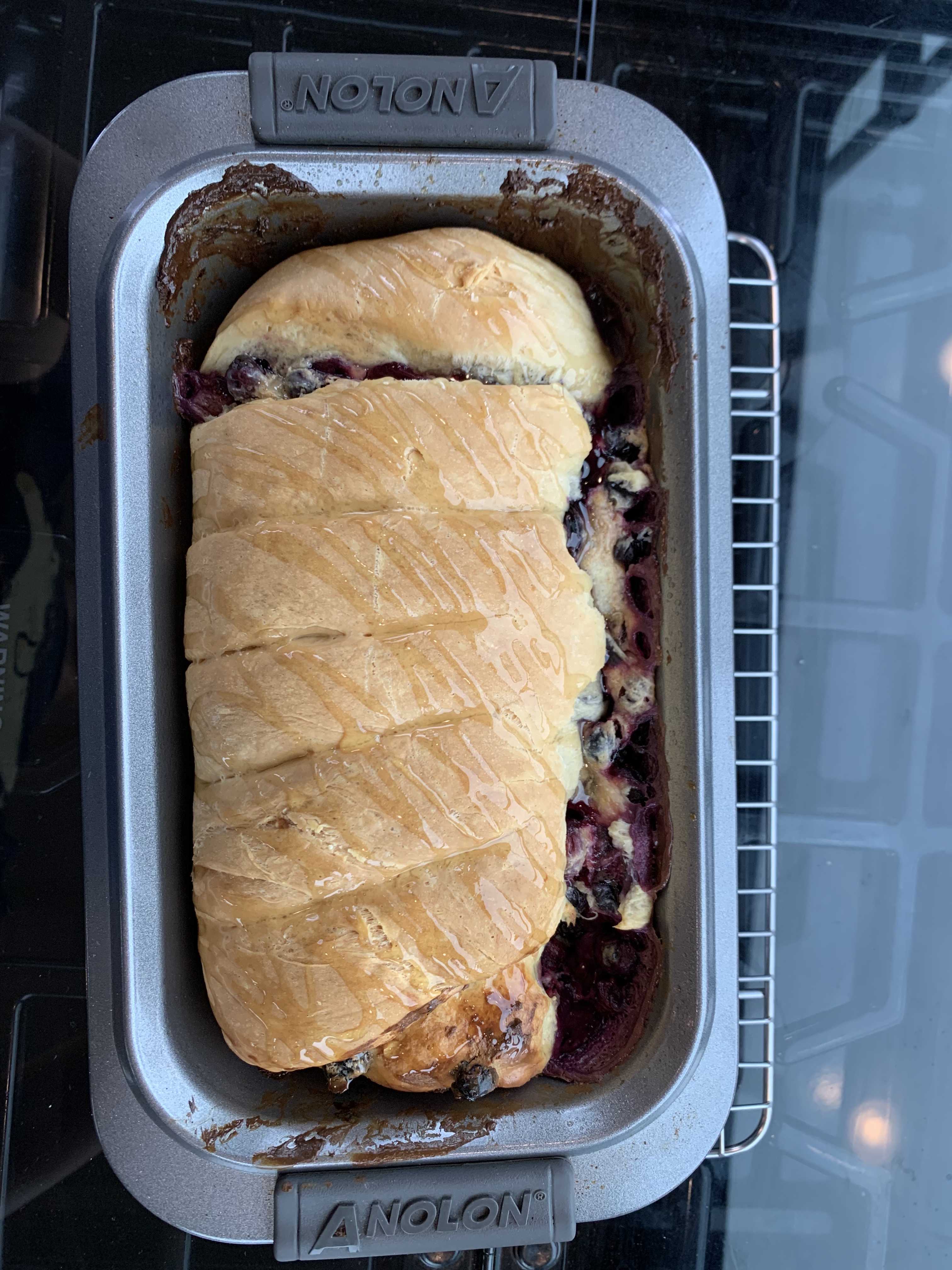
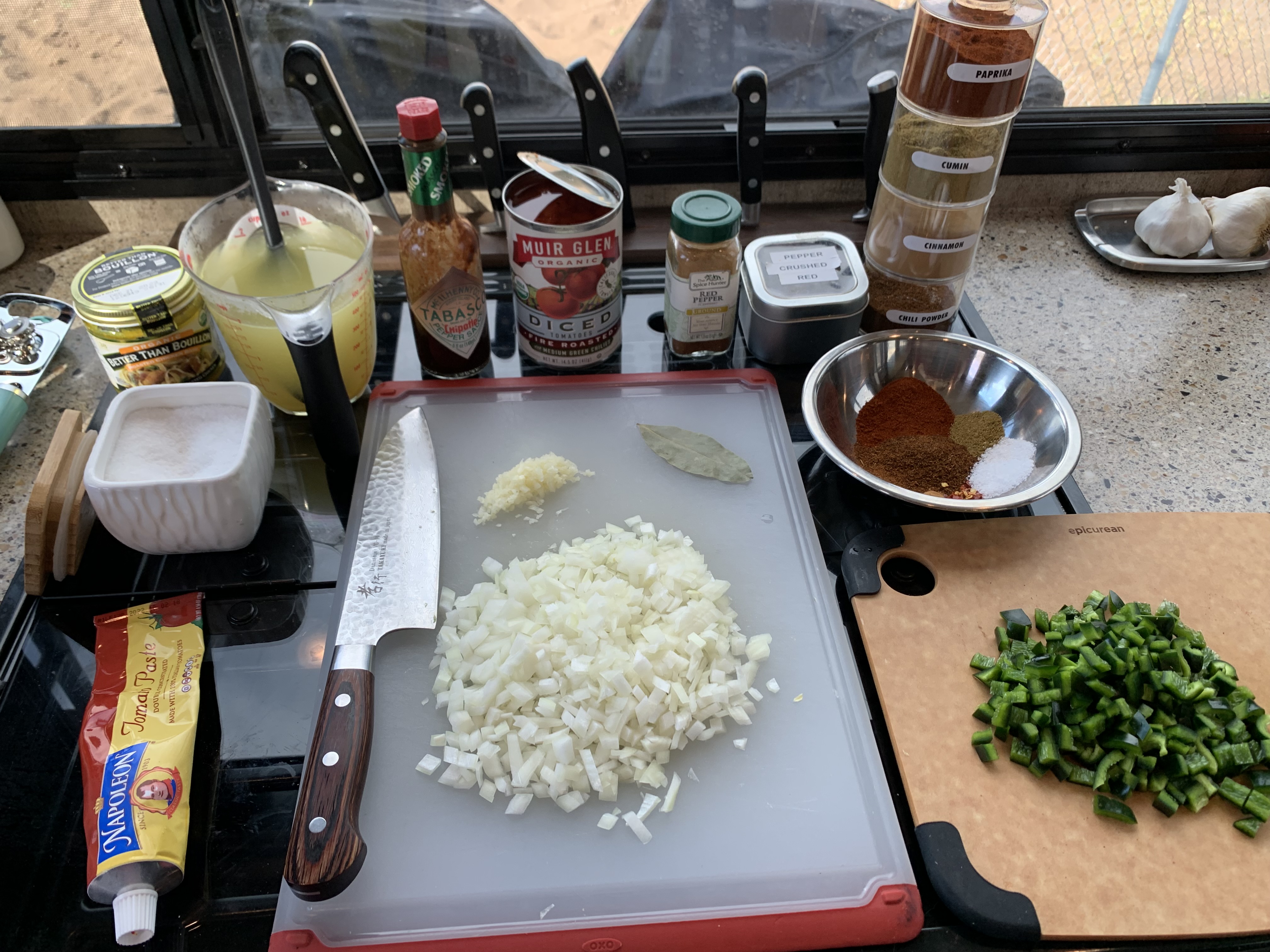
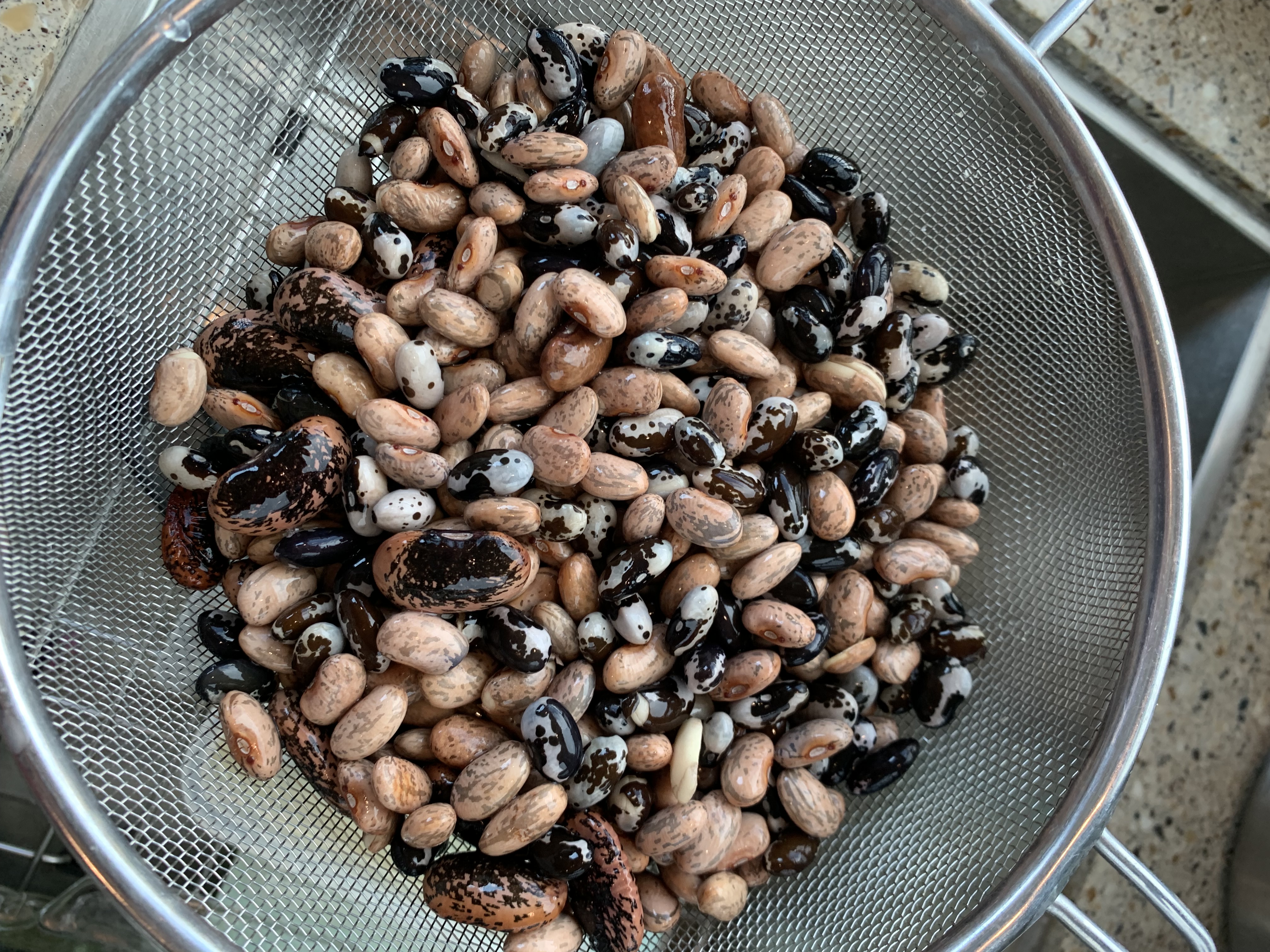


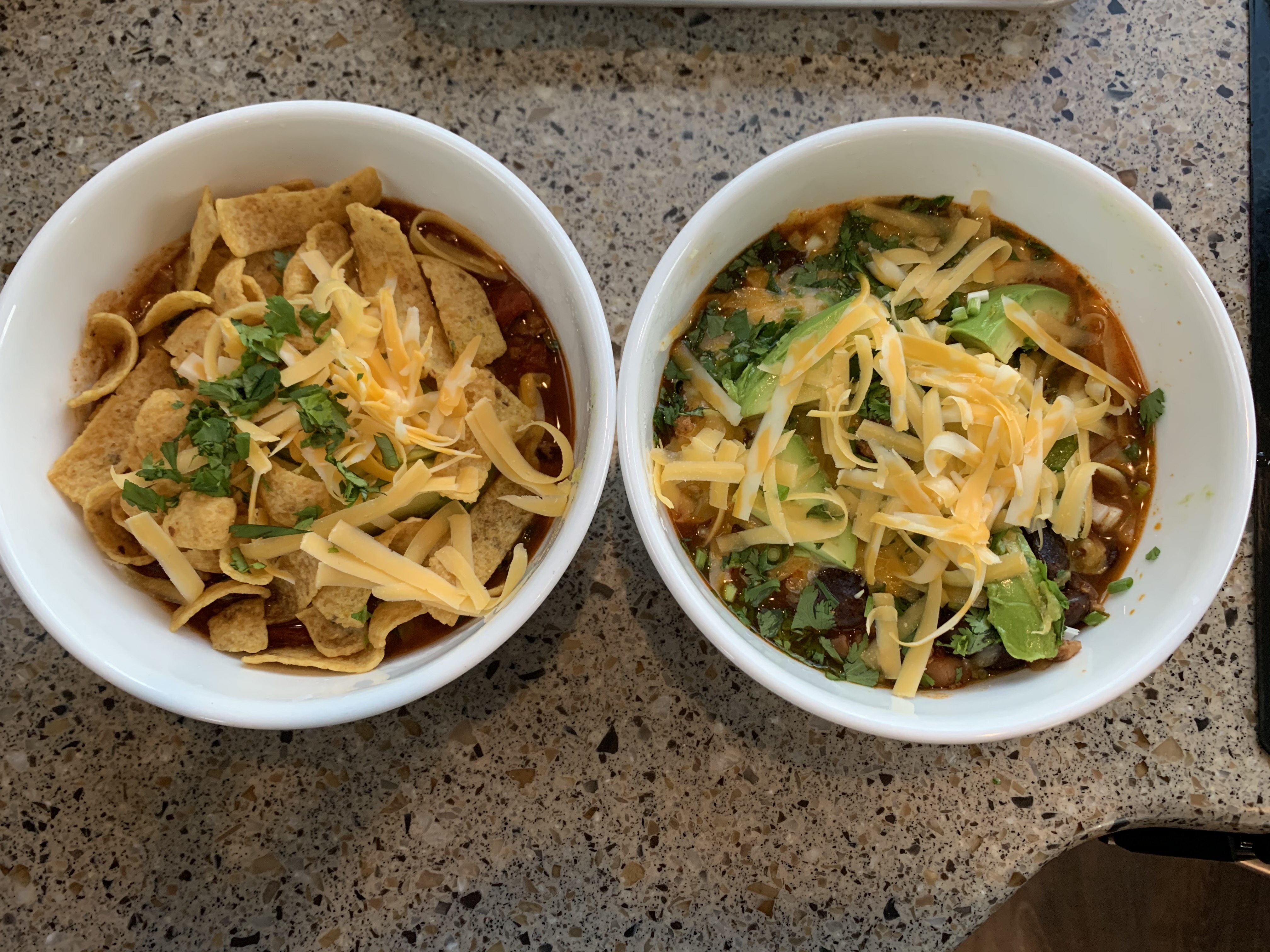

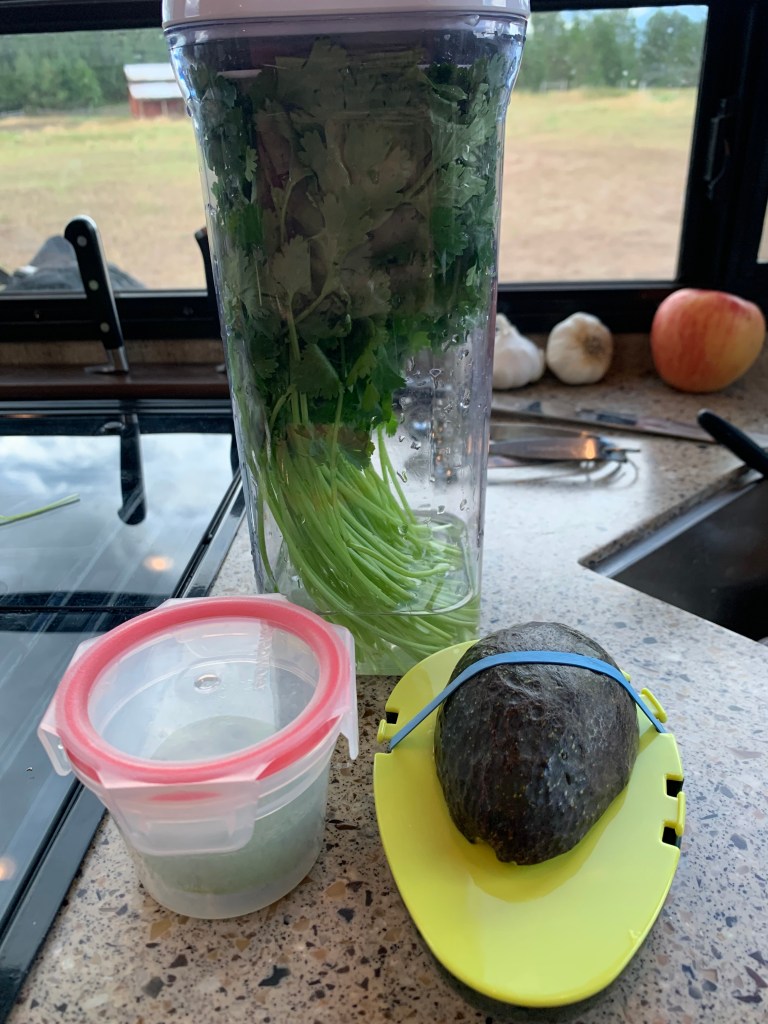
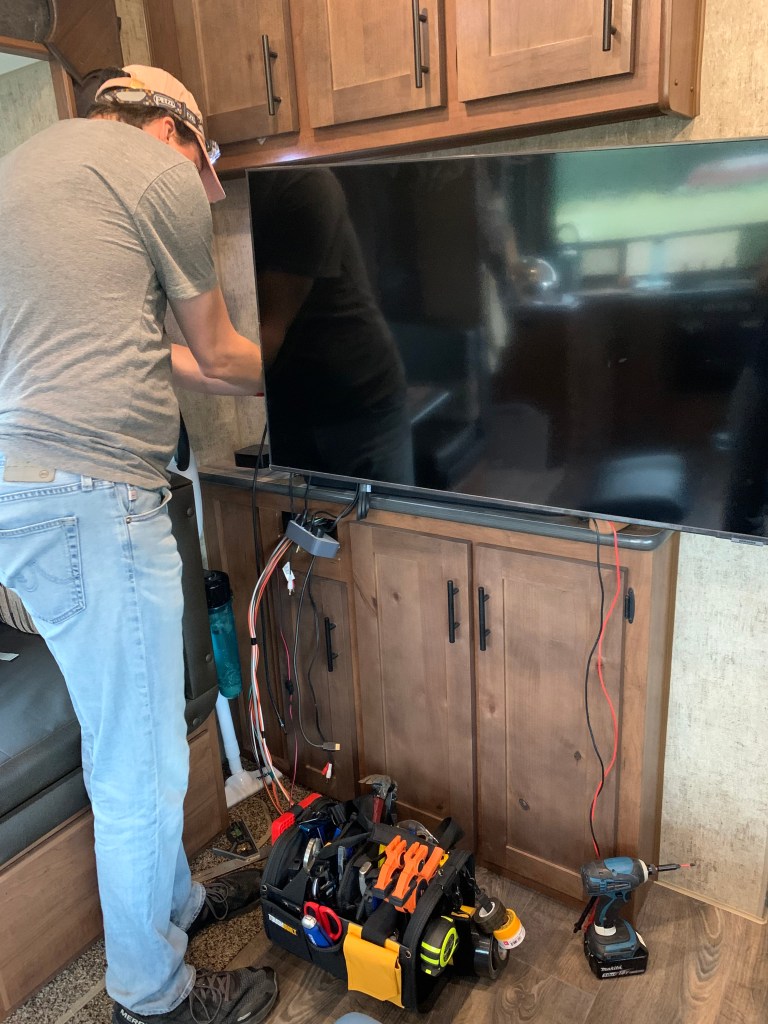


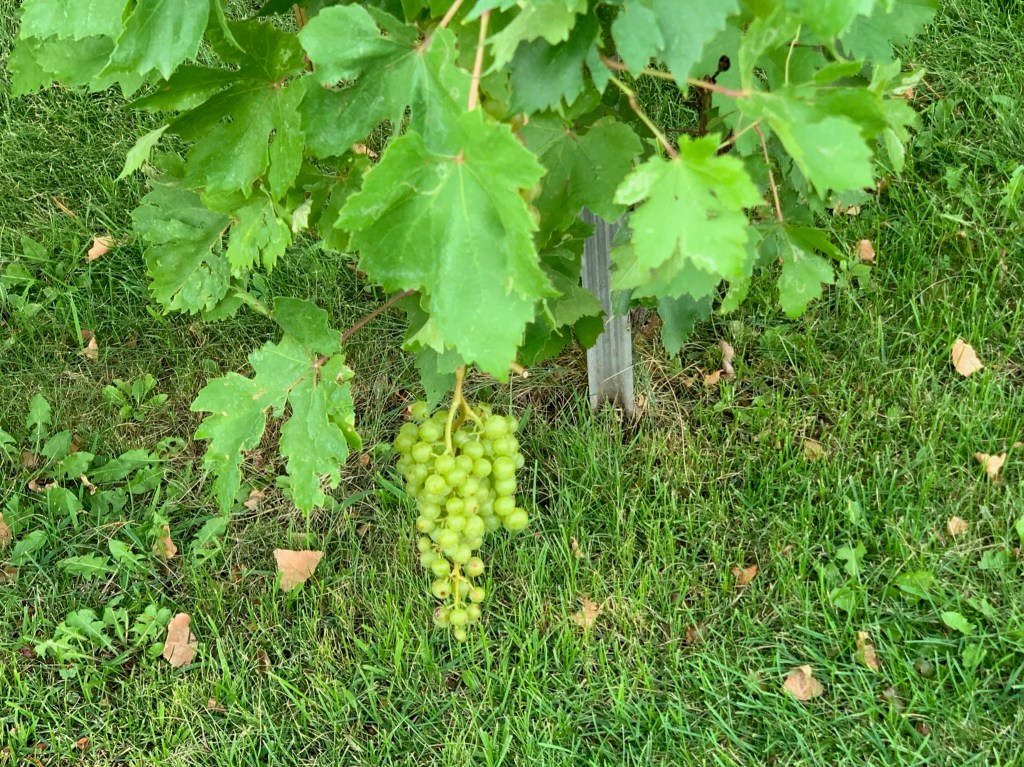
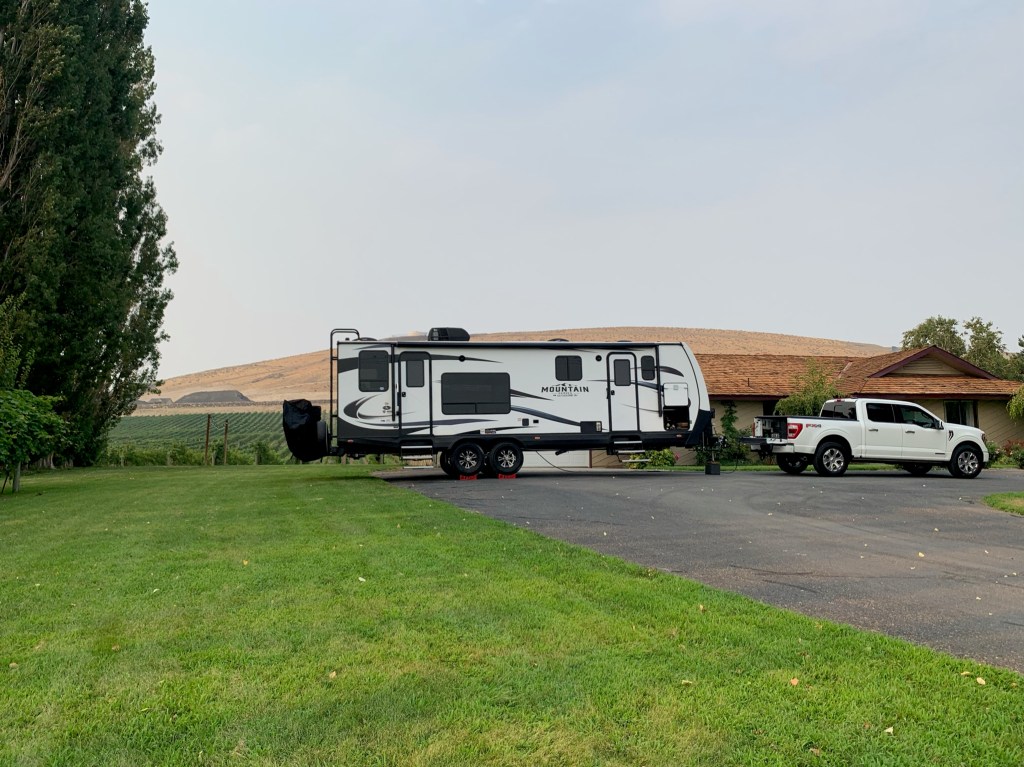
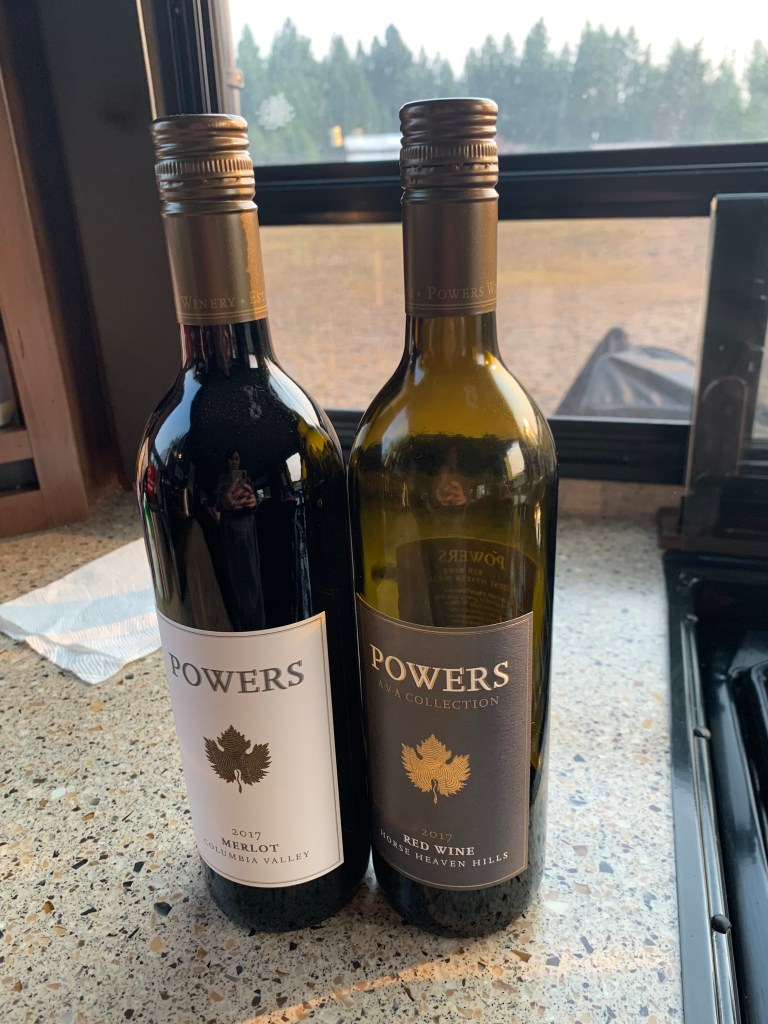
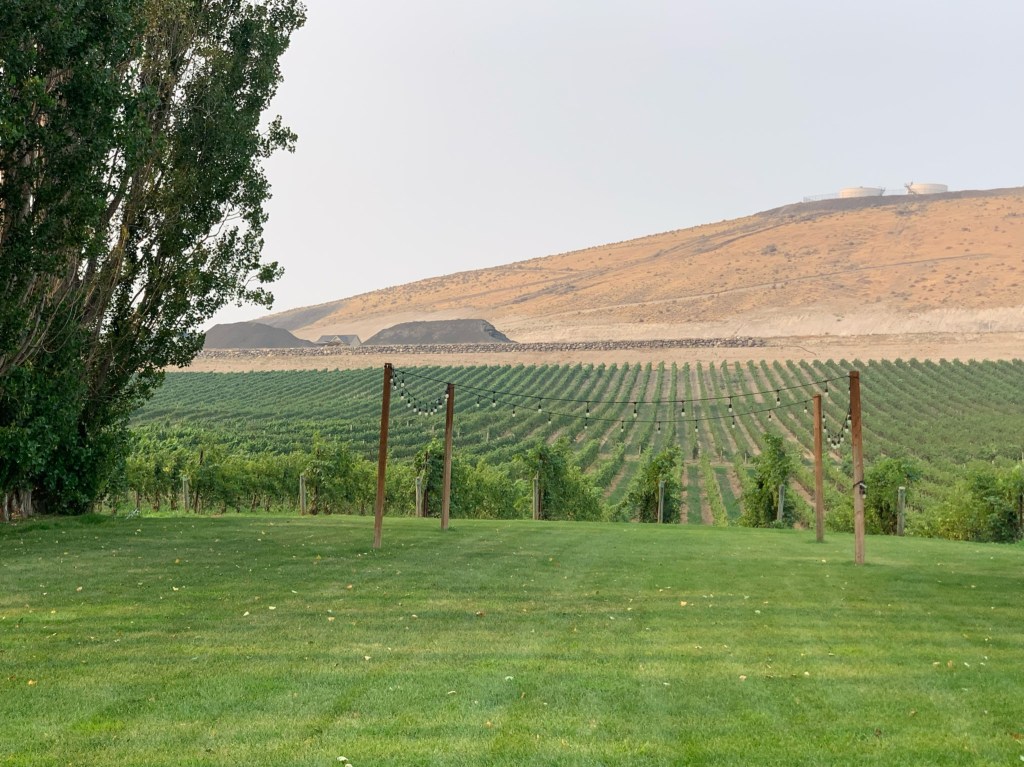
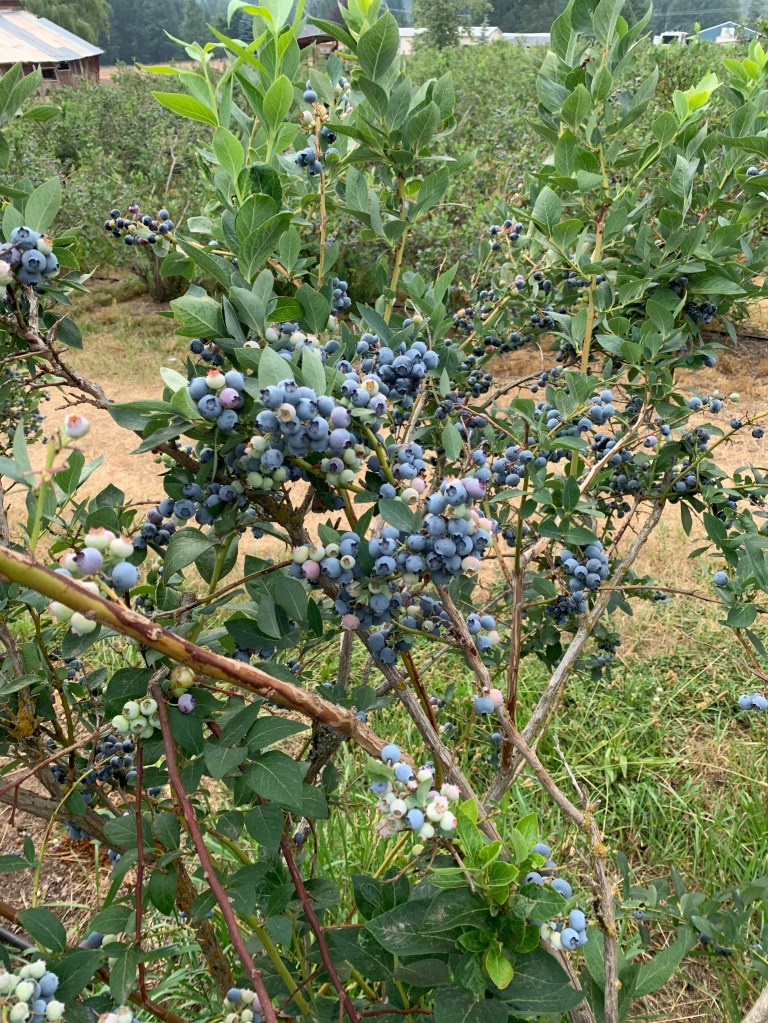

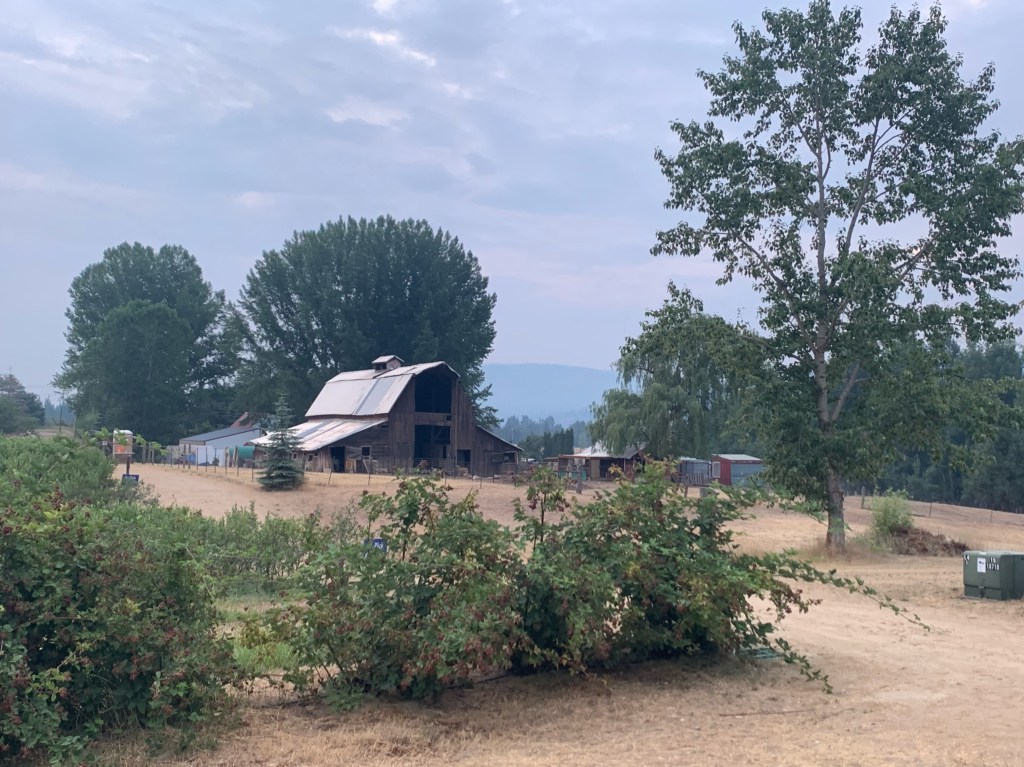

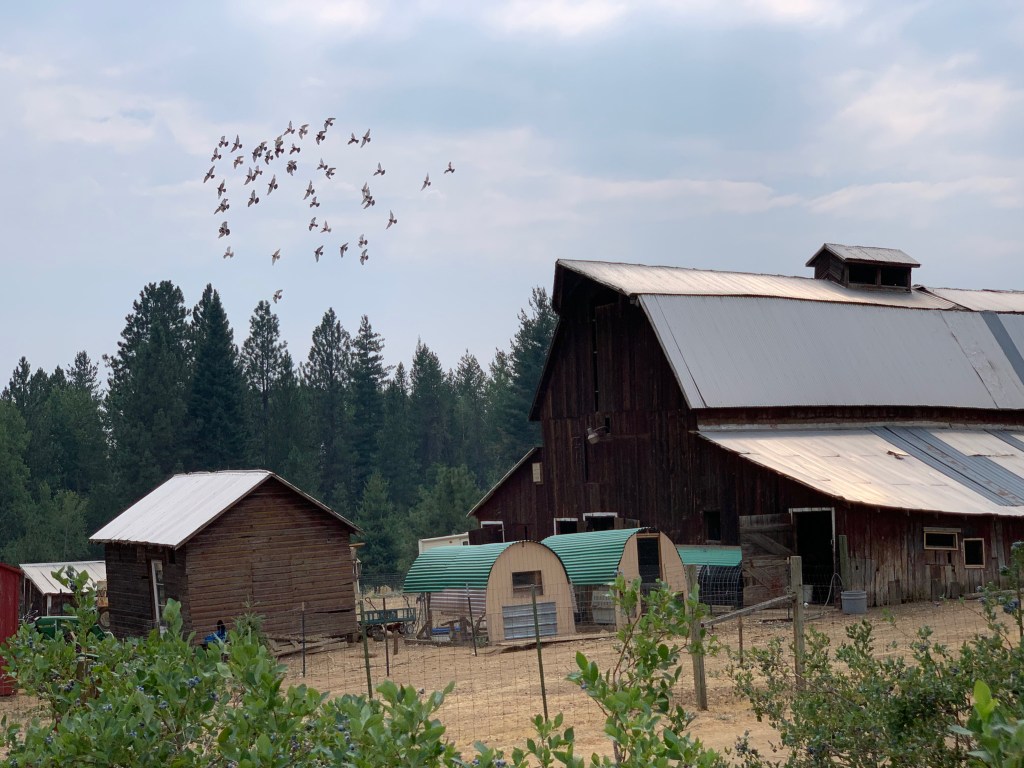
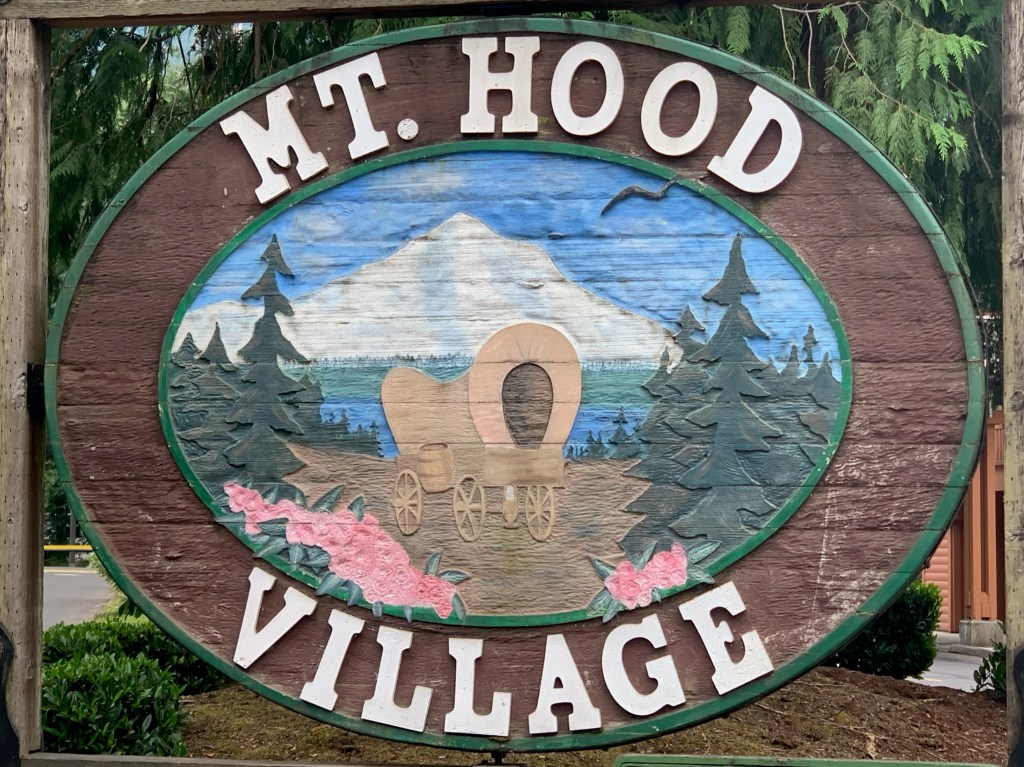
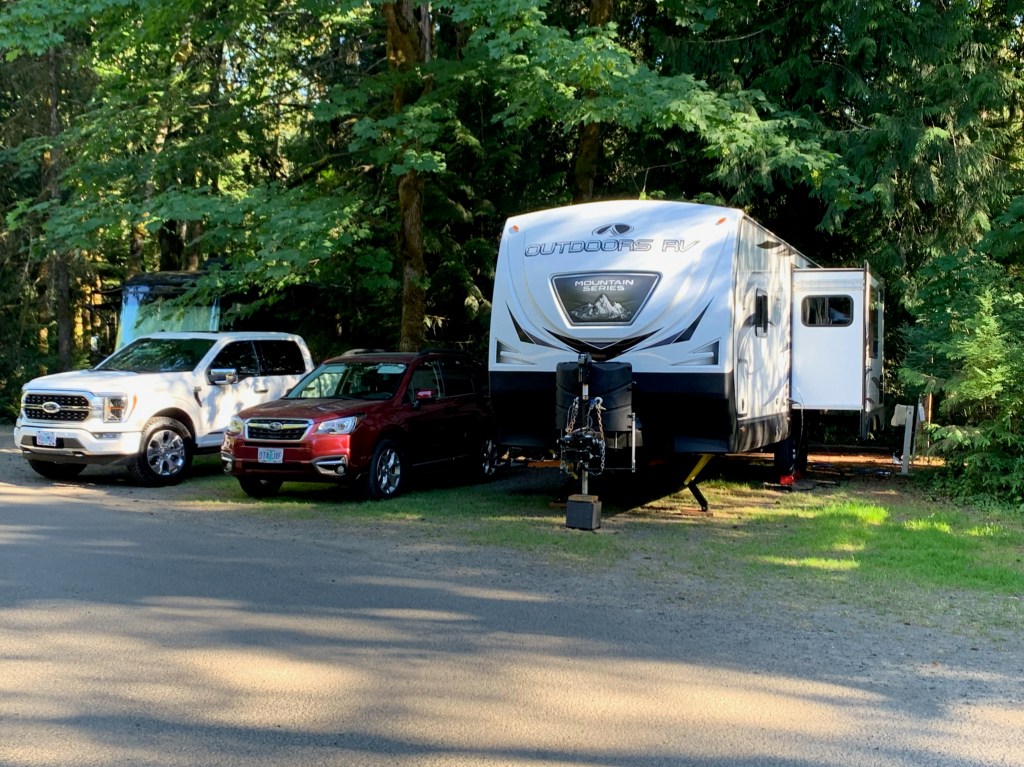
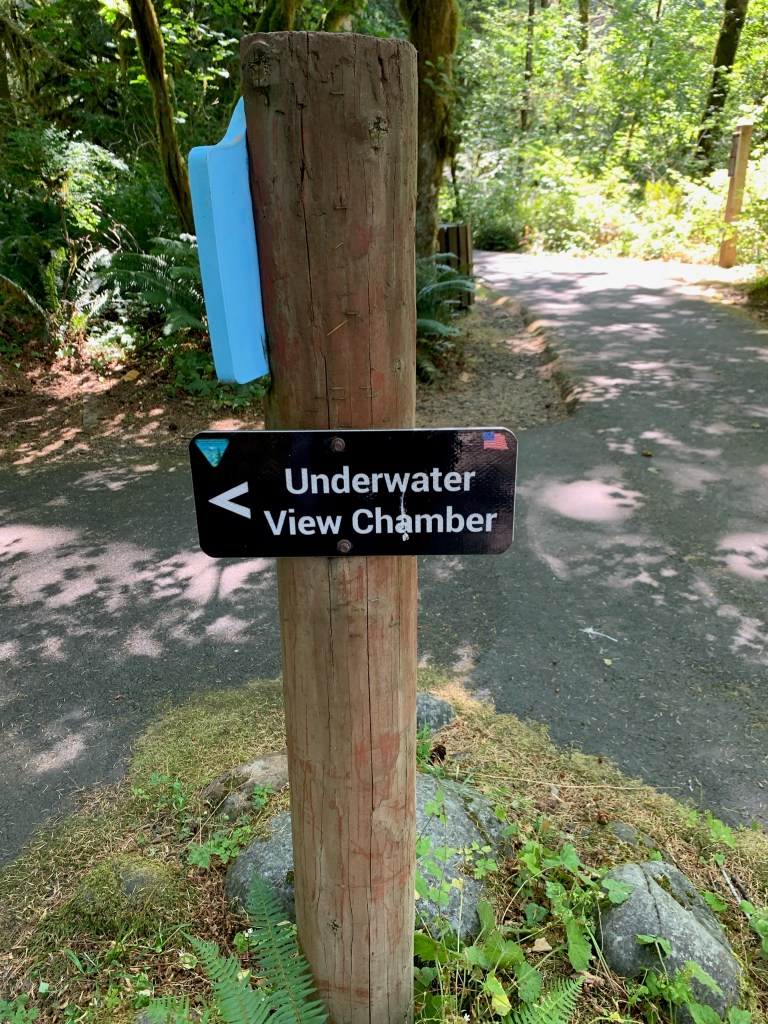
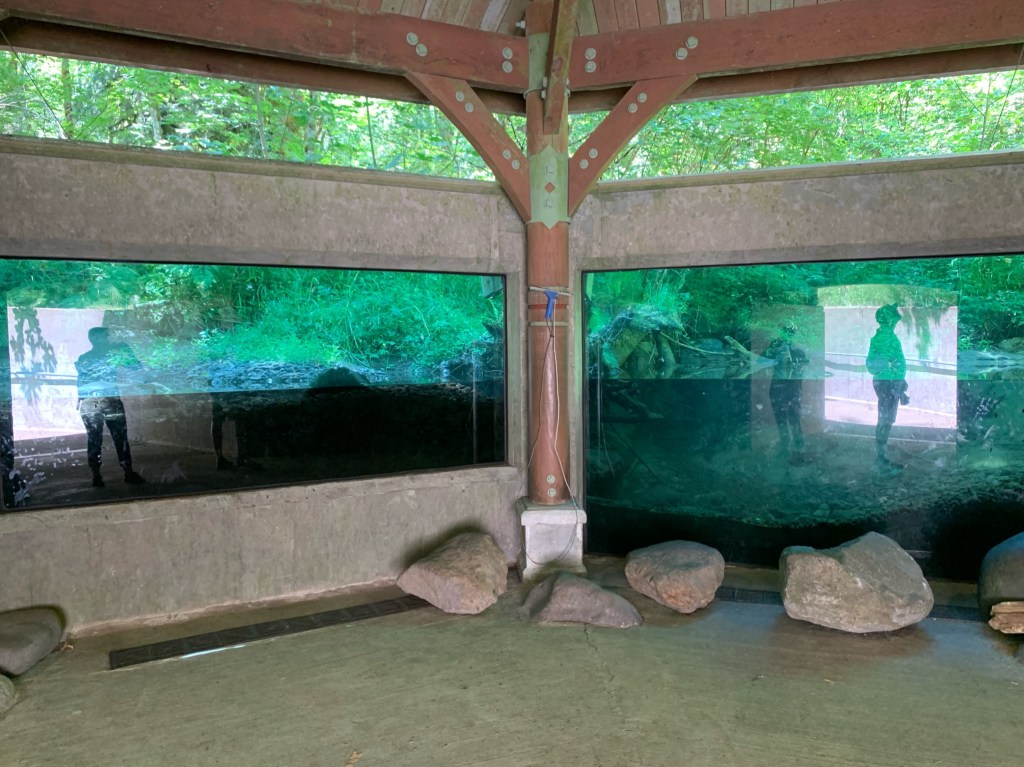
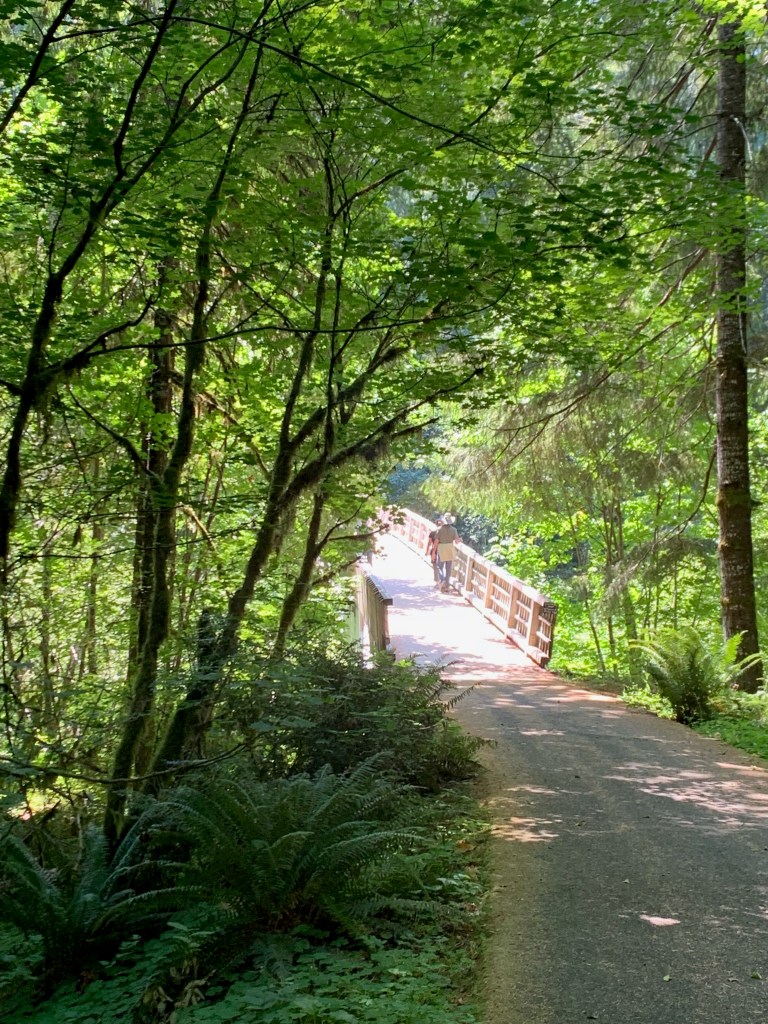
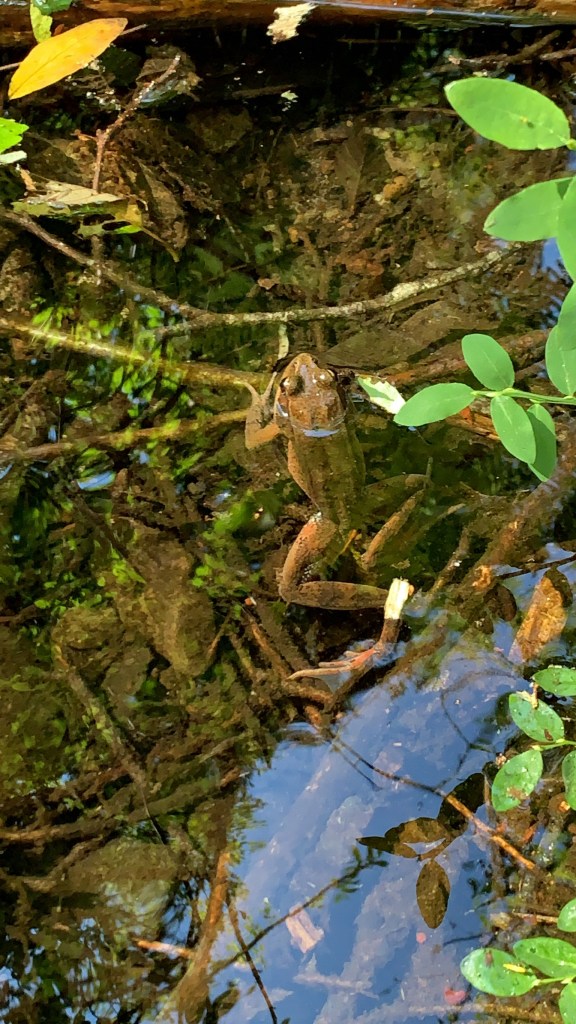


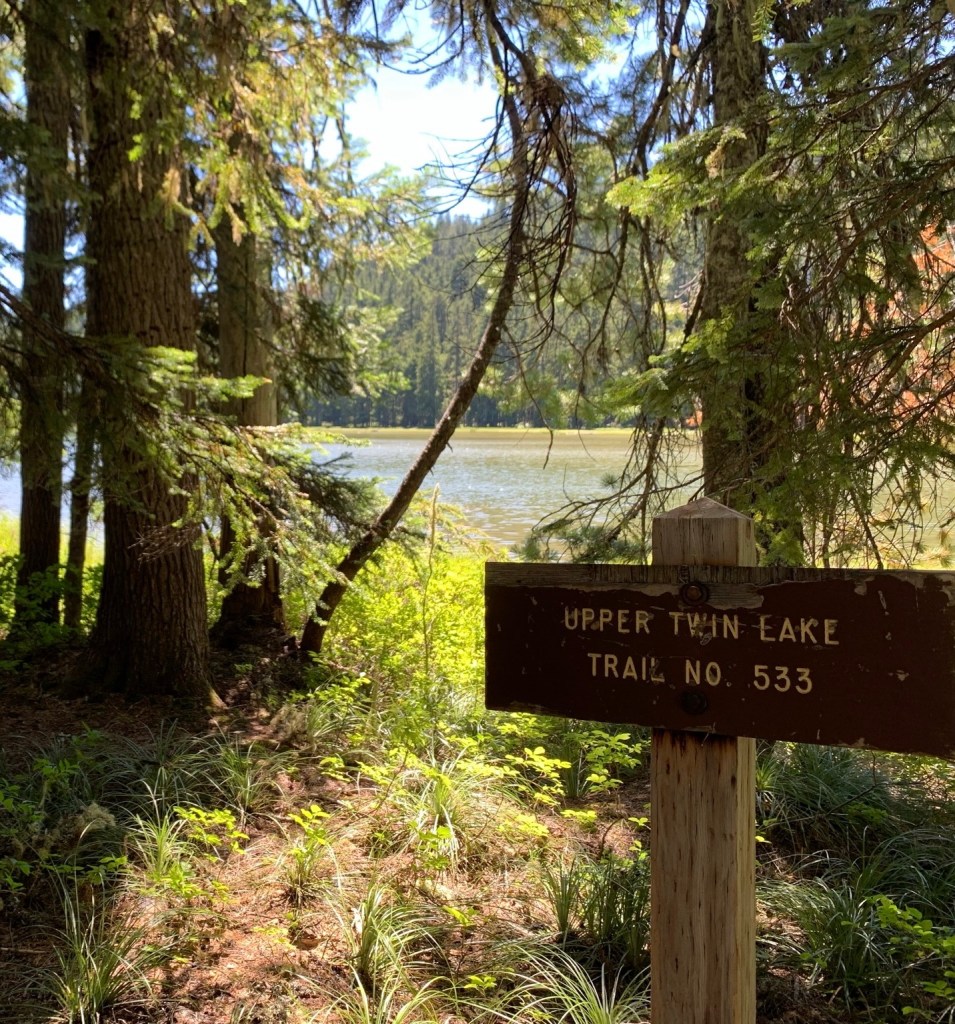
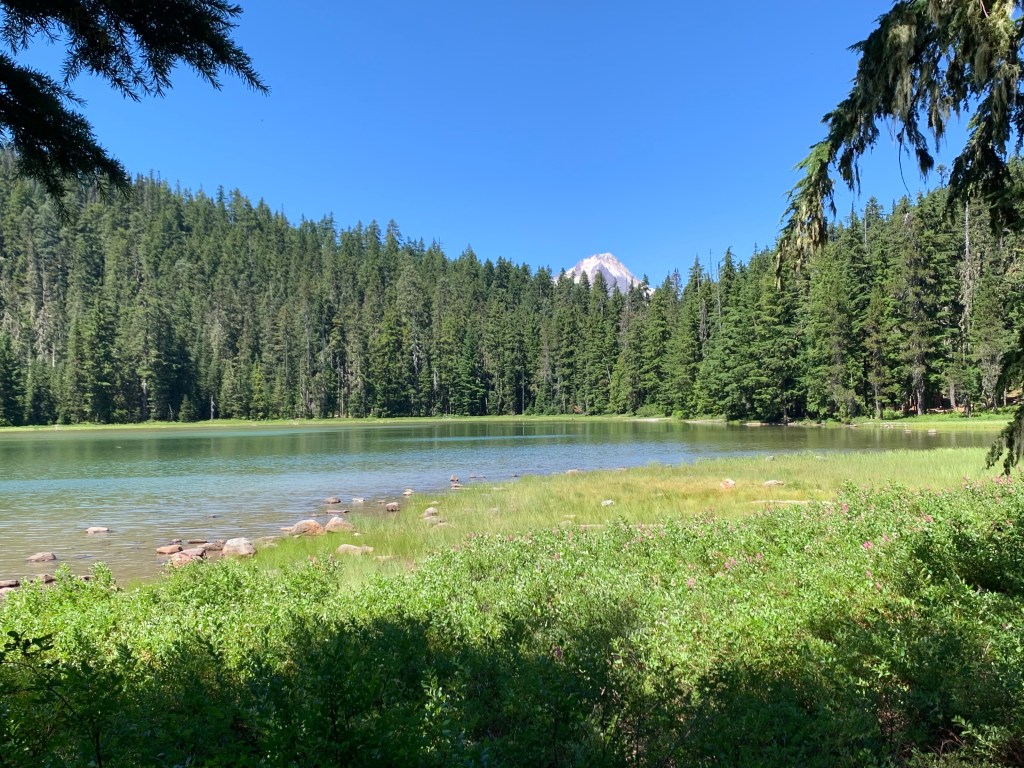


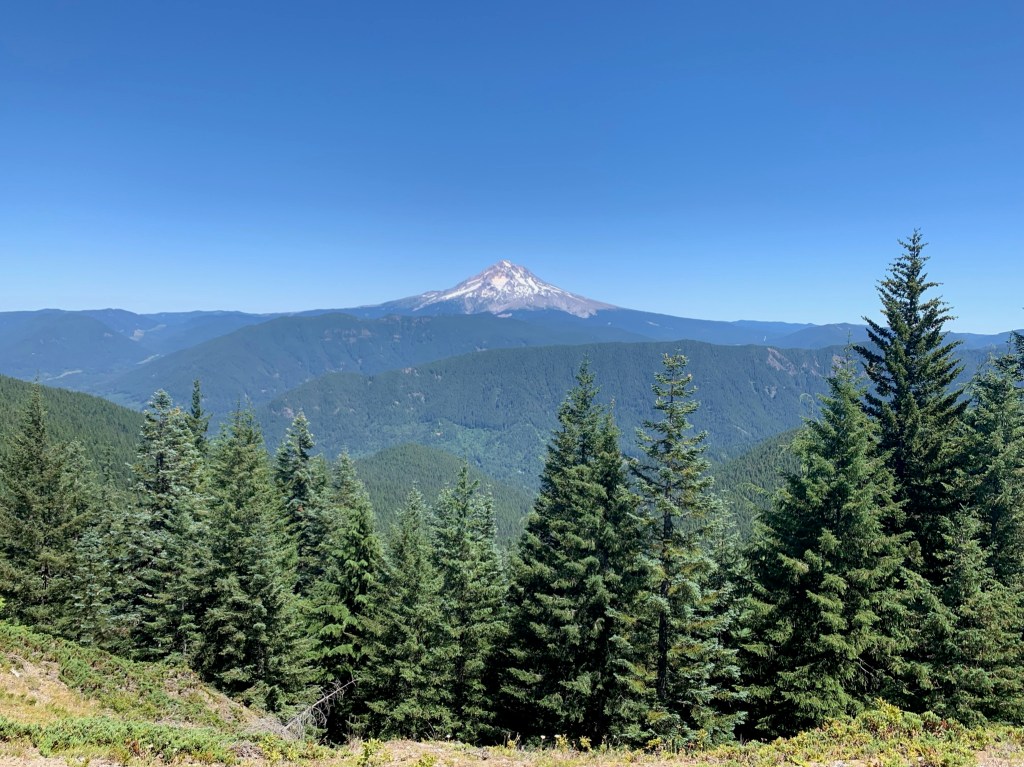
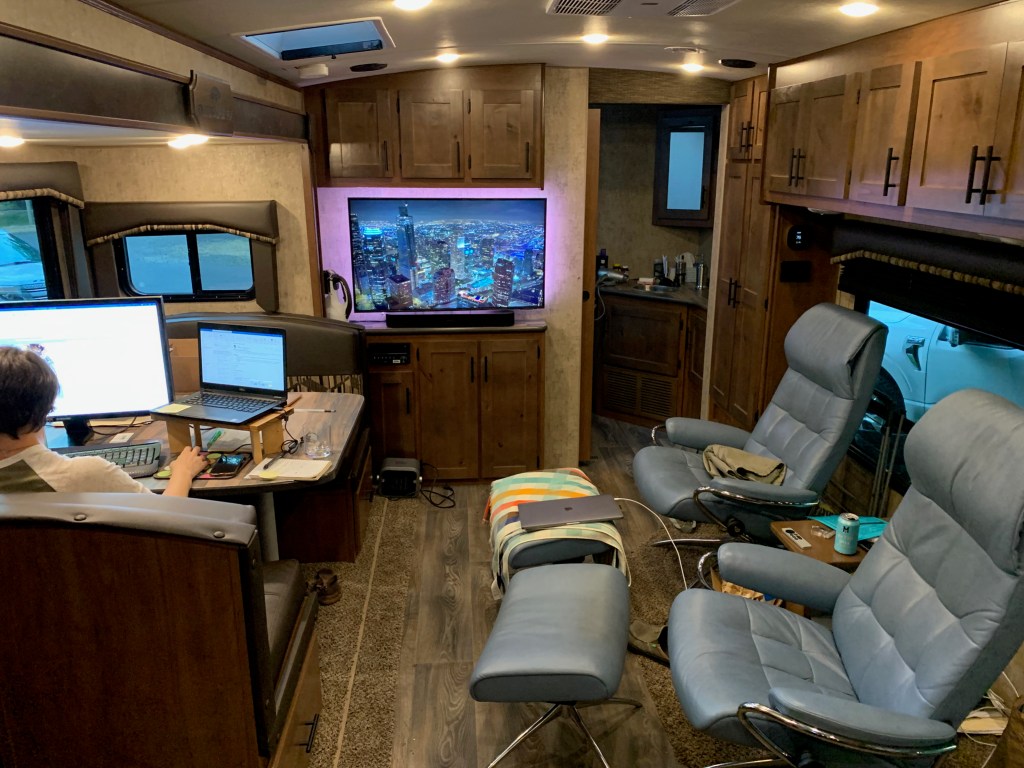
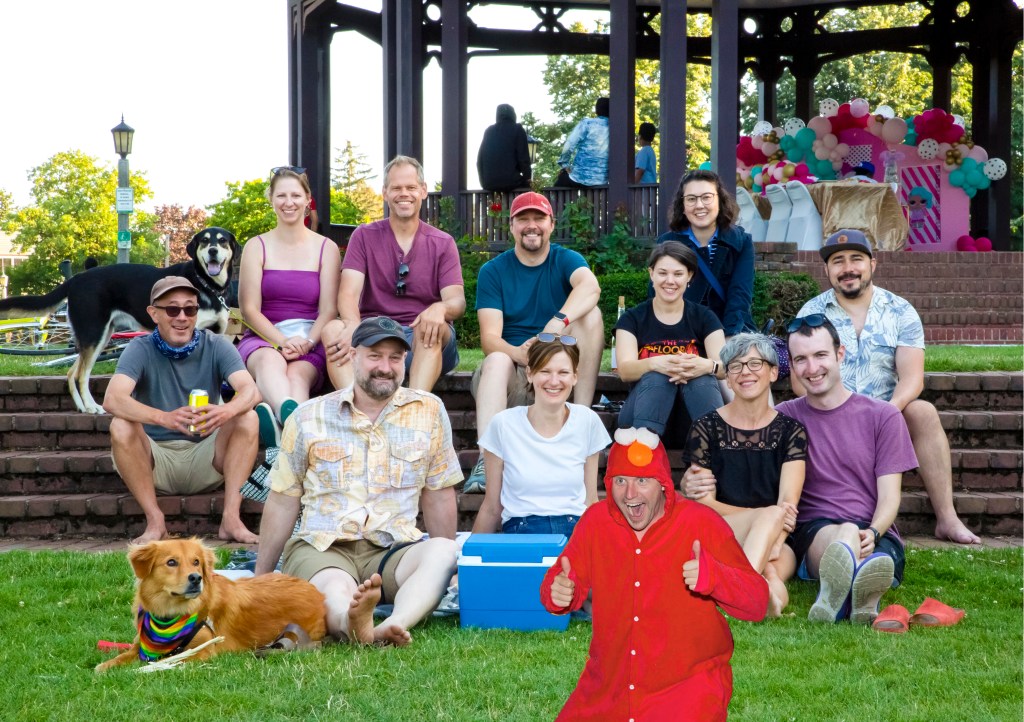


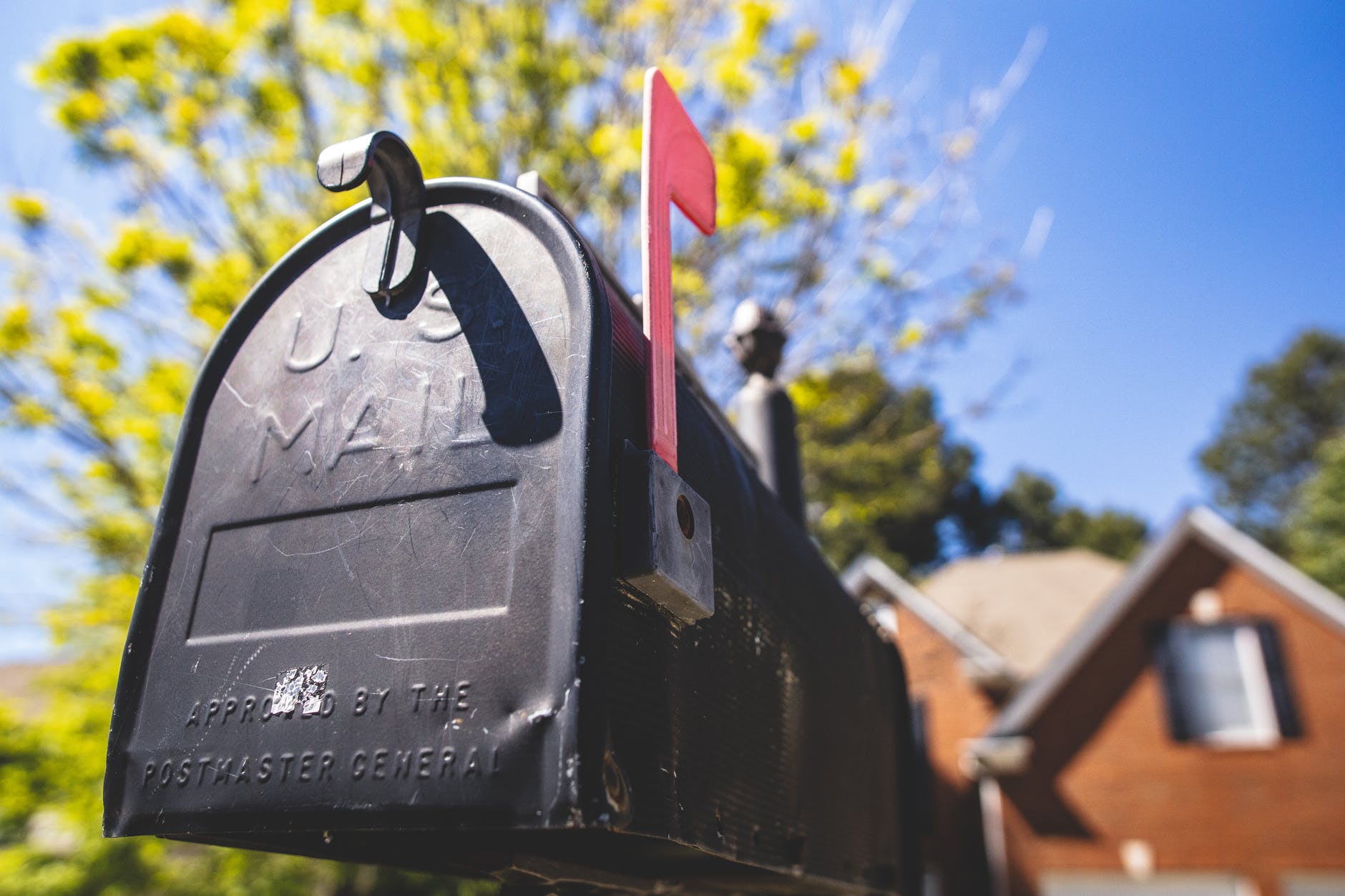
 We were sitting in the living room, watching tv, and I looked over at my partner and said “What are we doing? We get up, work our butts off, make dinner, watch tv, go to bed and get up and do it all over again the next day. This isn’t living.” That’s when the idea popped in my head that we should really take time off and travel.
  Highways and Honeybees